The Zigbee Relay Module has emerged as an essential component in modern wireless communication systems, particularly in smart homes and automation networks. As the need for efficient, low-power, and versatile devices increases, Zigbee-based solutions provide the perfect answer to many of the challenges faced in automation and IoT applications. In this article, we will explore the Zigbee Relay Module’s functionality, its applications, and how it enhances remote control and monitoring.
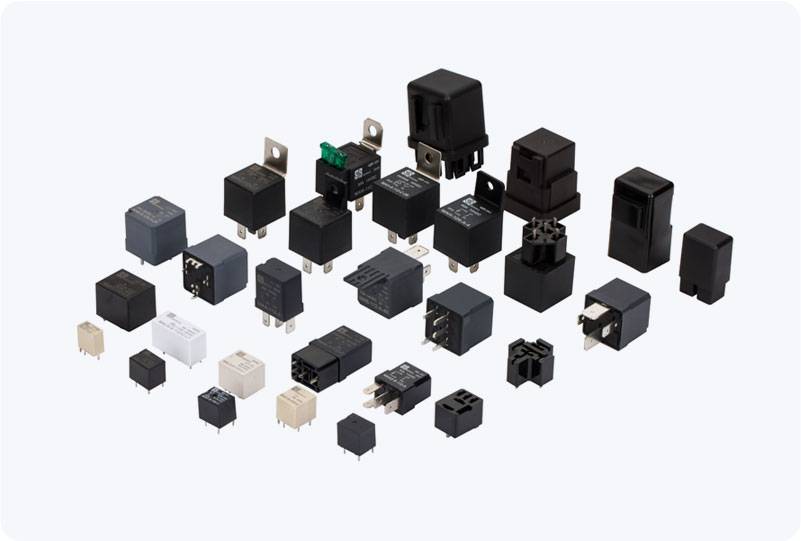
What is a Zigbee Relay Module? A Zigbee Relay Module is a device that uses the Zigbee wireless communication protocol to control electrical circuits and devices remotely. The Zigbee protocol is a low-power, short-range communication standard widely used in home automation and industrial control systems. This module typically acts as an interface between a control system (such as a smartphone or IoT gateway) and the electrical equipment it operates (like lights, fans, or security systems). The relay itself is an electrical switch that allows a low-power signal (such as a wireless command) to control a high-power circuit. When a Zigbee Relay Module receives a command, it activates the relay to either turn on or off a connected device, enabling remote control via a wireless network.