In the realm of electrical engineering and automation, the 12V 30A relay stands out as a crucial component designed to manage high-power devices using low-voltage control signals. Relays have been integral to electrical systems for decades, and their importance continues to grow as more devices require automated control. This article delves into the features, workings, and diverse applications of the 12V 30A relay.
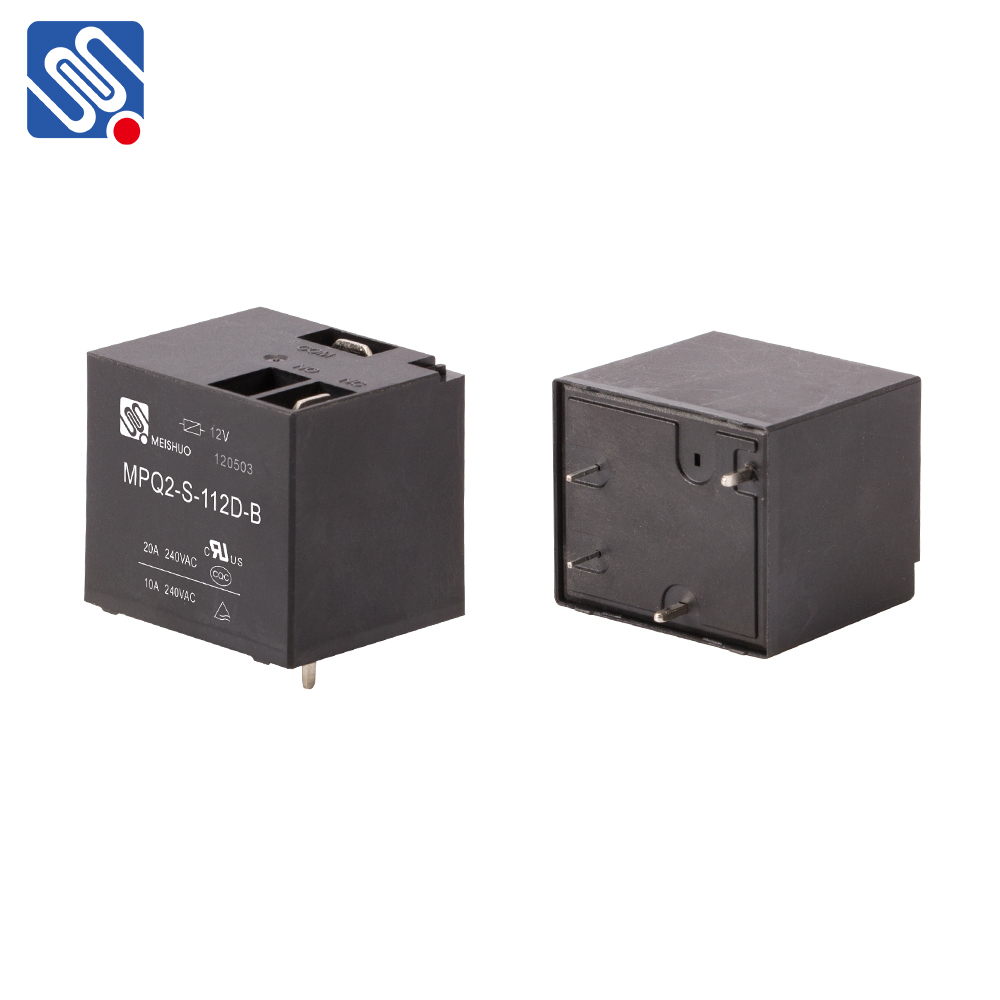
Understanding the 12V 30A Relay At its core, a relay functions as an electromagnetic switch that opens or closes a circuit in response to an electrical signal. The designation “12V” refers to the voltage required to energize the relay’s coil, while “30A” signifies the relay’s maximum load current capacity, allowing it to control devices drawing up to 30 amperes. This unique combination makes it ideal for a vast array of applications, especially where a high current is necessary. Working Principle The operation of a relay centers around electromagnetic induction. When a 12V signal is applied to the relay’s coil, it generates a magnetic field that activates a mechanical arm or lever, subsequently closing or opening accompanying electrical contacts. The contacts are typically rated for various voltages and currents, further enabling control over multiple types of electrical loads, from simple circuit applications to complex industrial machinery.