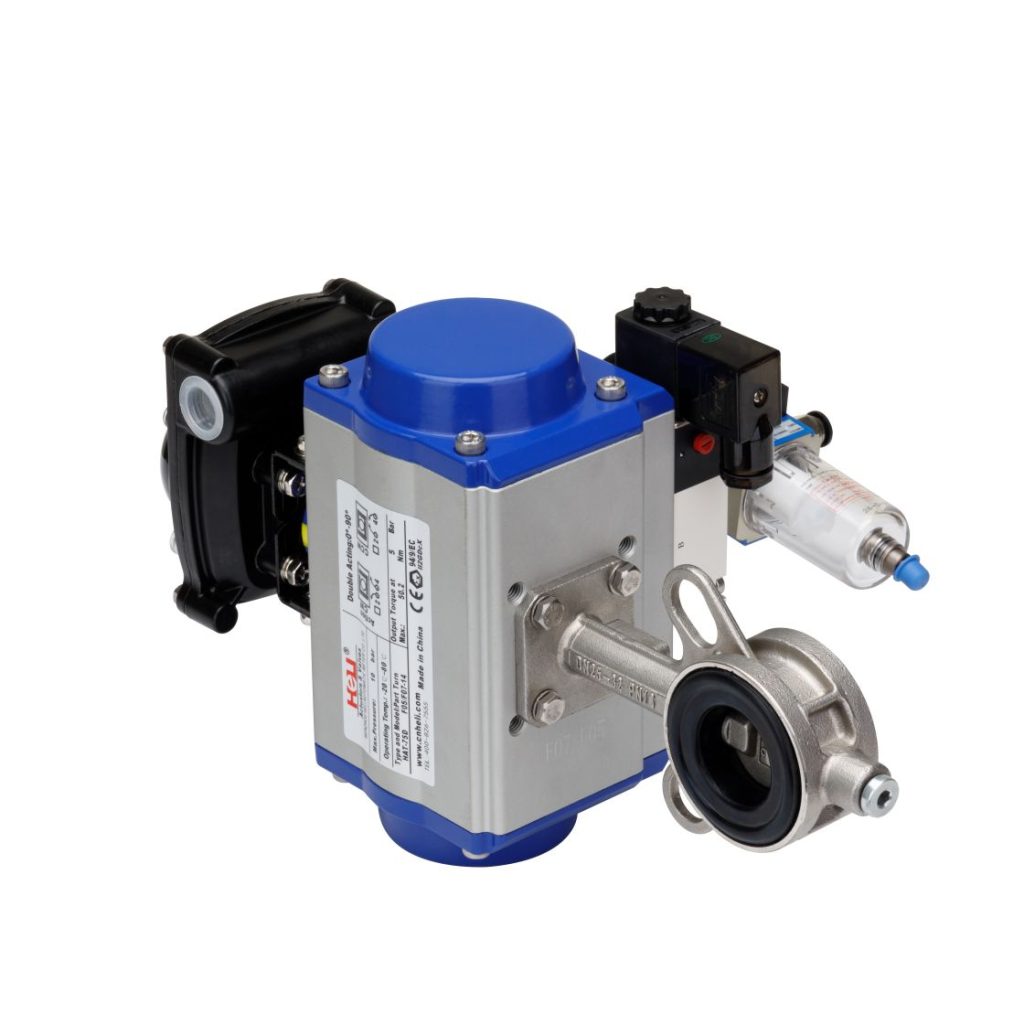
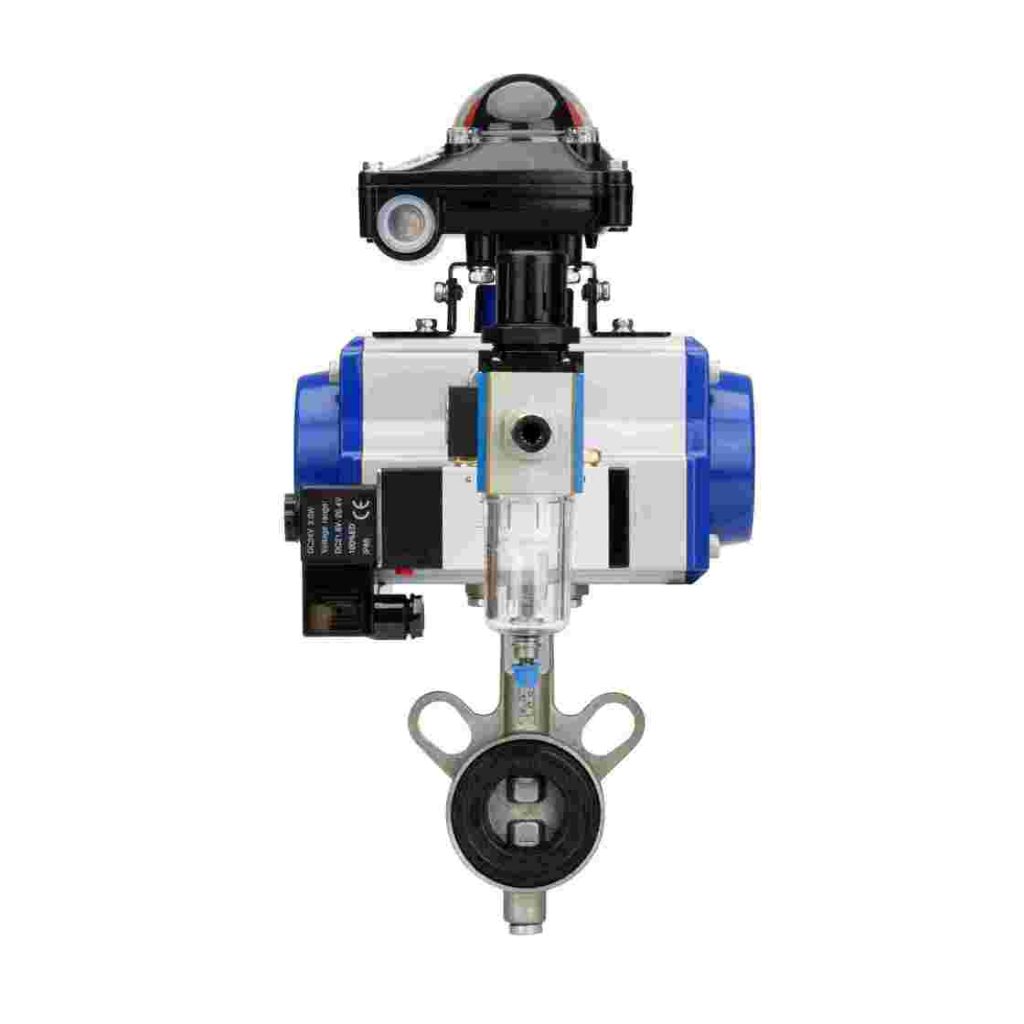
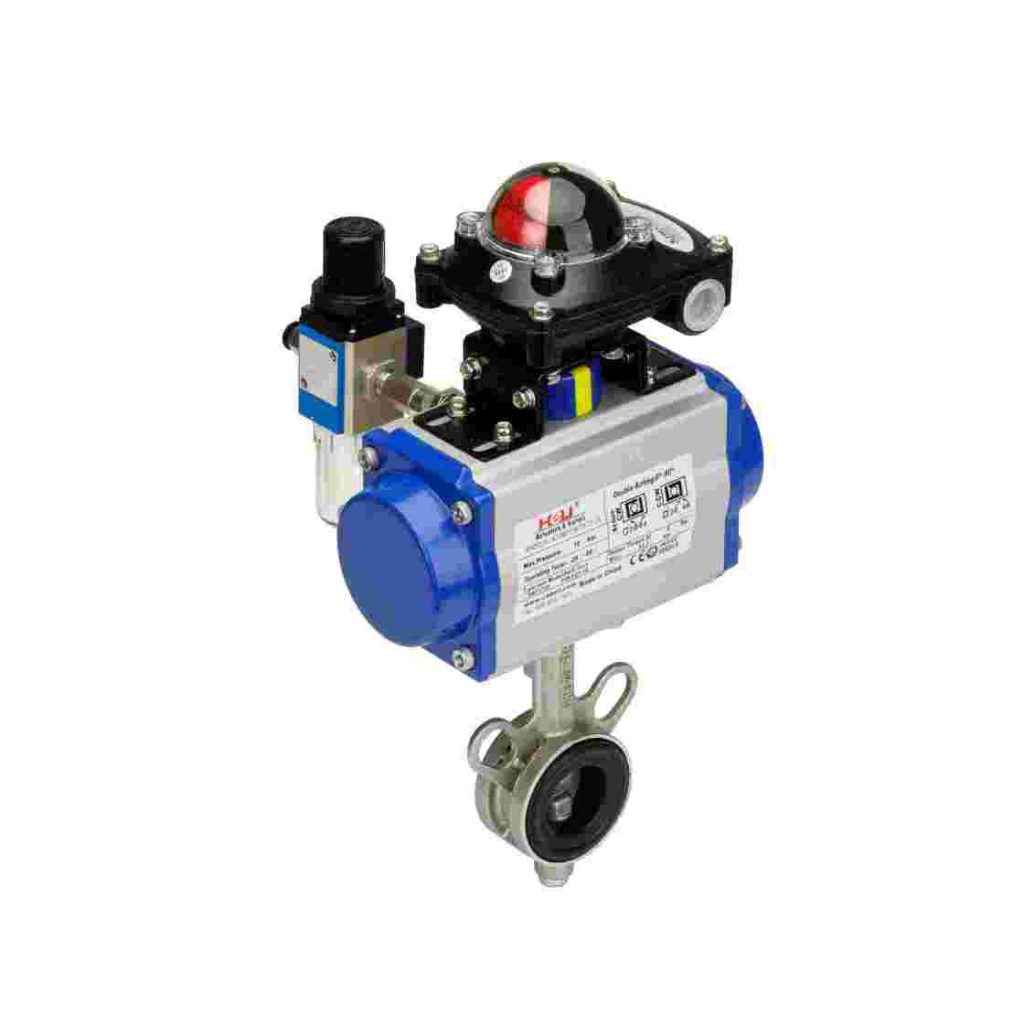
As the world moves towards sustainable energy solutions, hydrogen energy has emerged as a key player in the quest for cleaner and more efficient energy sources. Among the critical components in hydrogen energy systems are valves, particularly the hydrogen energy pneumatic butterfly valve. These valves are integral in controlling the flow of hydrogen gas within various applications, ensuring efficiency, safety, and reliability in the burgeoning hydrogen economy.
Understanding Hydrogen Energy
Hydrogen energy is derived from hydrogen, the most abundant element in the universe. It can be harnessed through various methods, including electrolysis, steam methane reforming, and gasification. When used as an energy carrier, hydrogen can be converted into electricity through fuel cells, producing only water vapor as a byproduct. This characteristic makes hydrogen a clean alternative to fossil fuels, reducing greenhouse gas emissions and promoting a more sustainable energy landscape. The Importance of Valves in Hydrogen Systems In hydrogen energy systems, valves play a crucial role in managing the flow, pressure, and safety of hydrogen gas. With hydrogen’s unique properties, including its small molecular size and high diffusivity, specialized valves are required to handle the challenges associated with its transportation and storage. Traditional valves may not provide the necessary performance and safety features, which is where pneumatic butterfly valves come into play.