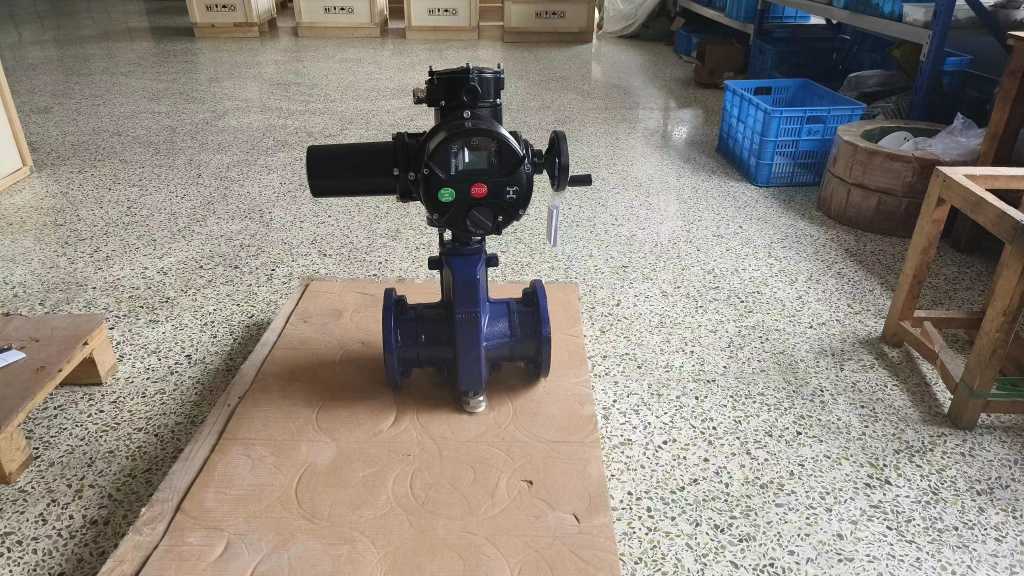
Hydrogen energy has emerged as a promising solution for a cleaner and more sustainable future. As the world shifts towards renewable energy sources, hydrogen has gained significant attention due to its potential to reduce carbon emissions and contribute to the decarbonization of various industries. One critical component that plays a vital role in the transportation, storage, and distribution of hydrogen is the Hydrogen Energy Electric Pinch Valve. This article delves into the importance of this valve in hydrogen energy systems, its operational principles, and its advantages in ensuring the safe and efficient flow of hydrogen gas.
Understanding Hydrogen Energy and Its Importance Hydrogen energy refers to the use of hydrogen as a fuel for generating power. Hydrogen is a clean-burning energy source, producing only water vapor as a byproduct when used in fuel cells or combustion processes. As hydrogen can be produced from various renewable sources like water through electrolysis or natural gas reforming, it is seen as a key player in the transition to a low-carbon economy. Hydrogen energy applications range from fueling vehicles (hydrogen fuel cells) to powering industrial processes and electricity generation. However, for hydrogen to be safely and effectively utilized, its storage and transportation require advanced systems to ensure that it is delivered safely, under the right conditions, and at optimal pressure and flow rates.