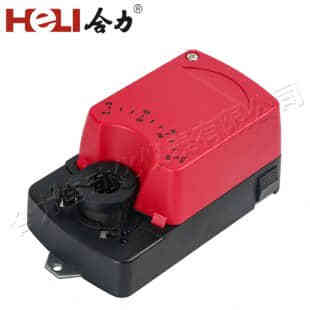
In today’s sophisticated heating, ventilation, and air conditioning (HVAC) systems, the damper actuator plays a pivotal role in regulating airflow and maintaining indoor comfort. These devices are crucial for ensuring efficient operation of HVAC systems, helping to balance temperature, humidity, and air quality within residential and commercial buildings. This article delves into the functionality, types, applications, and advantages of damper actuators in contemporary HVAC systems.
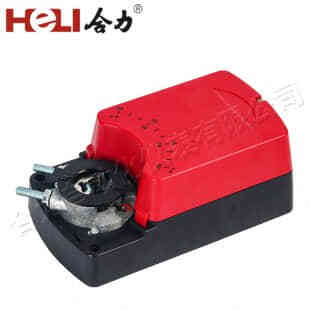
Understanding Damper Actuators
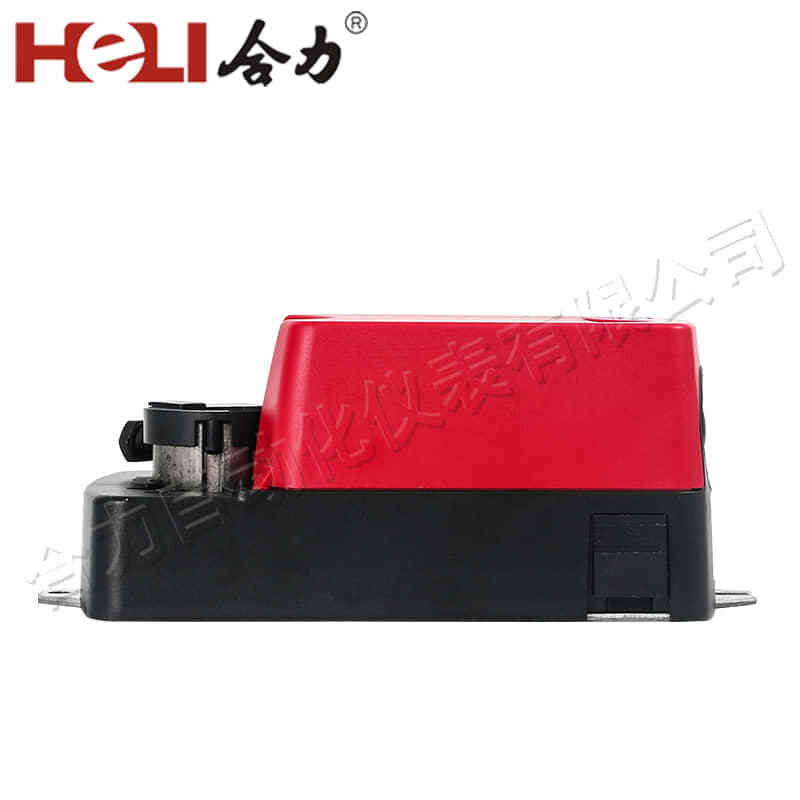
A damper actuator is an automatic control device that operates a damper, which is a mechanism installed in air ducts to regulate airflow. When connected to a control system, the actuator receives signals that dictate its movement, allowing it to open, close, or partially adjust the damper’s position. This capability enables the fine-tuning of air distribution across different zones within a building. The precise control of airflow is essential not only for comfort but also for energy efficiency. Components of a Damper Actuator Damper actuators typically consist of several key components: