In the rapidly evolving landscape of communication technology, the term “communication relay” has emerged as a critical concept. Communication relays are integral components that enhance and extend the range of signal transmission in various networking scenarios. From wireless communications to satellite systems and IoT networks, relays play a pivotal role in ensuring the reliable delivery of information across distances that would otherwise be impeded by physical barriers or signal degradation. This article delves into the fundamentals of communication relays, their types, functions, advantages, and their evolving applications in our interconnected world.
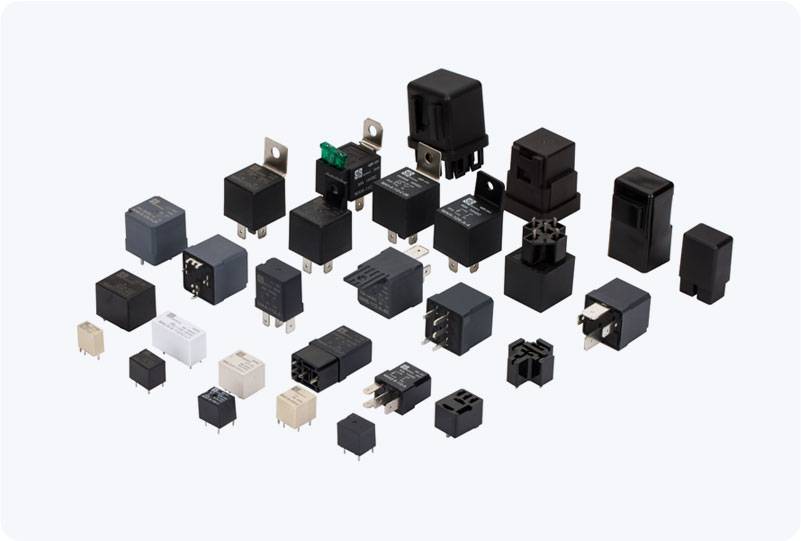
Understanding Communication Relay At its core, a communication relay is a device or node that receives a signal, processes it, and forwards it to another point in the network. The primary function of a relay is to break the distance barrier in signal transmission, making it possible to maintain clear and uninterrupted communication even in challenging environments. By acting as intermediaries, relays help manage both wired and wireless communication systems more effectively. Types of Communication Relays Wireless Relays: Wireless relays are particularly prevalent in mobile communication networks. These nodes can receive signals from a source device, amplify them if necessary, and transmit them to a destination device located farther away. Wireless relays are commonly employed in cellular networks to improve coverage in rural and urban areas, where users may experience weak signals due to distance from the base station or obstacles like buildings and trees.