The automotive industry is undergoing a significant transformation as manufacturers scramble to meet the rising demand for electric vehicles (EVs). Among the various advancements in EV technology, the adoption of a 48V electrical system has emerged as a game-changer. Central to this innovation is the 48V automotive relay, which plays a vital role in the efficient and effective operation of modern electric vehicles. This article delves into the significance, functionality, and future of 48V automotive relays in the realm of electric vehicles.
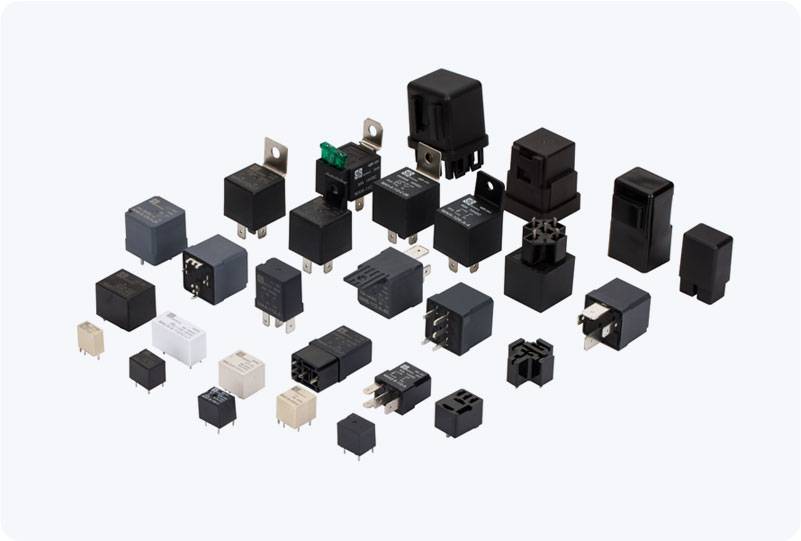
The Switch to 48V Systems Traditionally, automotive electrical systems have relied on 12V power. However, the increasing complexity of vehicle electronics, coupled with the need for improved performance and efficiency, necessitated the transition to higher voltage systems. The 48V architecture offers several advantages, including reduced weight of wiring, improved energy efficiency, and enhanced power delivery to various vehicle systems, such as electric steering, braking, and powertrain components. What is a 48V Automotive Relay? A 48V automotive relay is an electromechanical switch that facilitates the control of high-voltage circuits within electric vehicles. By using low-power signals to control higher-power loads, relays contribute to the advanced functionality of vehicles without compromising safety. The relay operates by energizing a coil, which generates a magnetic field that moves a switch mechanism, closing or opening a circuit. This enables efficient control of electrical devices and systems, from motors to lighting.