Safety is a fundamental aspect of any workplace, especially in industries where employees are exposed to hazardous equipment and machinery. One crucial safety measure is the implementation of lockout/tagout (LOTO) procedures, which help prevent accidental injuries caused by the inadvertent activation of machinery during maintenance or repair. A Safety Padlock Factory plays a key role in ensuring the availability of high-quality, reliable safety locks that form the cornerstone of LOTO protocols. In this article, we will explore the vital role of safety padlock factories, their products, and the importance of their adherence to industry standards.
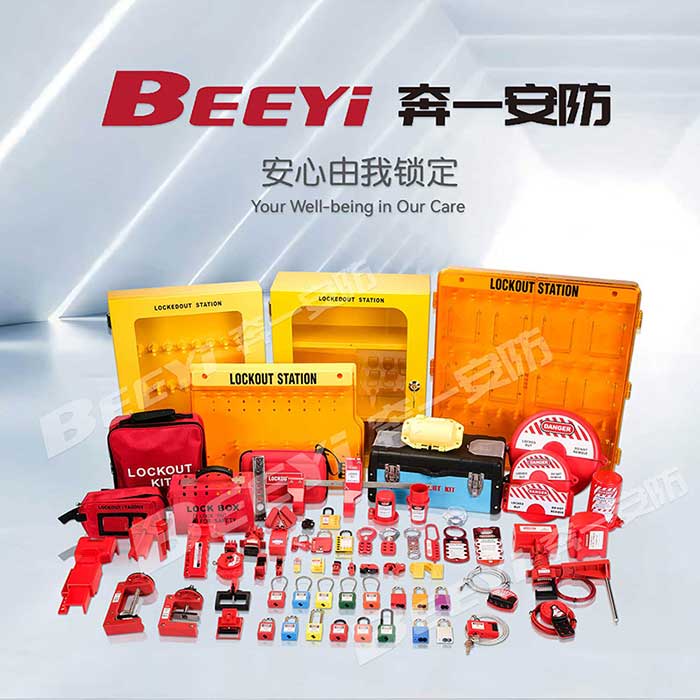
The Core Purpose of Safety Padlocks A safety padlock is an essential component of lockout/tagout systems, used to secure energy-isolating devices to prevent the accidental release of hazardous energy. These locks are designed to be tamper-resistant and provide a physical barrier to ensure that machines or electrical systems cannot be operated while maintenance is being performed. They are typically used by maintenance workers, electricians, or anyone tasked with ensuring the safety of equipment during servicing. The primary function of a safety padlock is to isolate energy sources, such as electrical circuits, pneumatic systems, hydraulic systems, or steam lines, effectively preventing accidental machine startups that could result in severe injuries or fatalities. This makes safety padlocks indispensable in industries such as manufacturing, construction, utilities, and chemical processing, where workers routinely interact with heavy machinery and dangerous equipment.