A relay circuit is an electrical component that plays a crucial role in controlling high-power electrical circuits using low-power signals. It operates as an electromagnetic switch, allowing a small current to control the flow of a larger current in another part of the circuit. Relays are essential in many industries, from automation to safety systems, providing a practical solution for isolating different parts of a circuit while enabling control over high-voltage systems. This article explores the principles behind relay circuits, their components, and their applications.
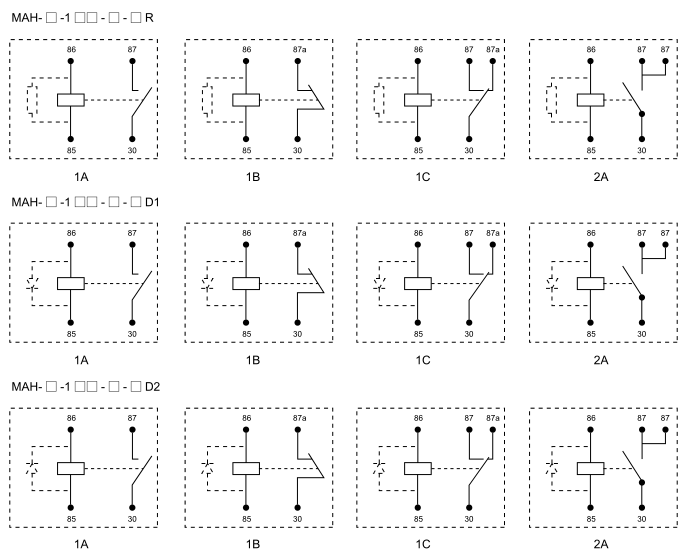
Understanding the Basic Operation of a Relay Circuit A relay operates based on the principle of electromagnetism. It consists of an electromagnet (coil), a set of contacts, and an armature. When a current flows through the coil, it generates a magnetic field that attracts the armature. This movement either opens or closes the contacts, which in turn allows or disallows current flow in another part of the circuit. In simple terms, the relay works as a switch that is activated by an electrical signal. A small current, typically in the range of a few milliamps, is applied to the coil. When the coil is energized, it creates a magnetic field that causes the armature to move and either open or close the switch. This action controls the larger current in the circuit, which can be used to power motors, lights, or other heavy-duty equipment.