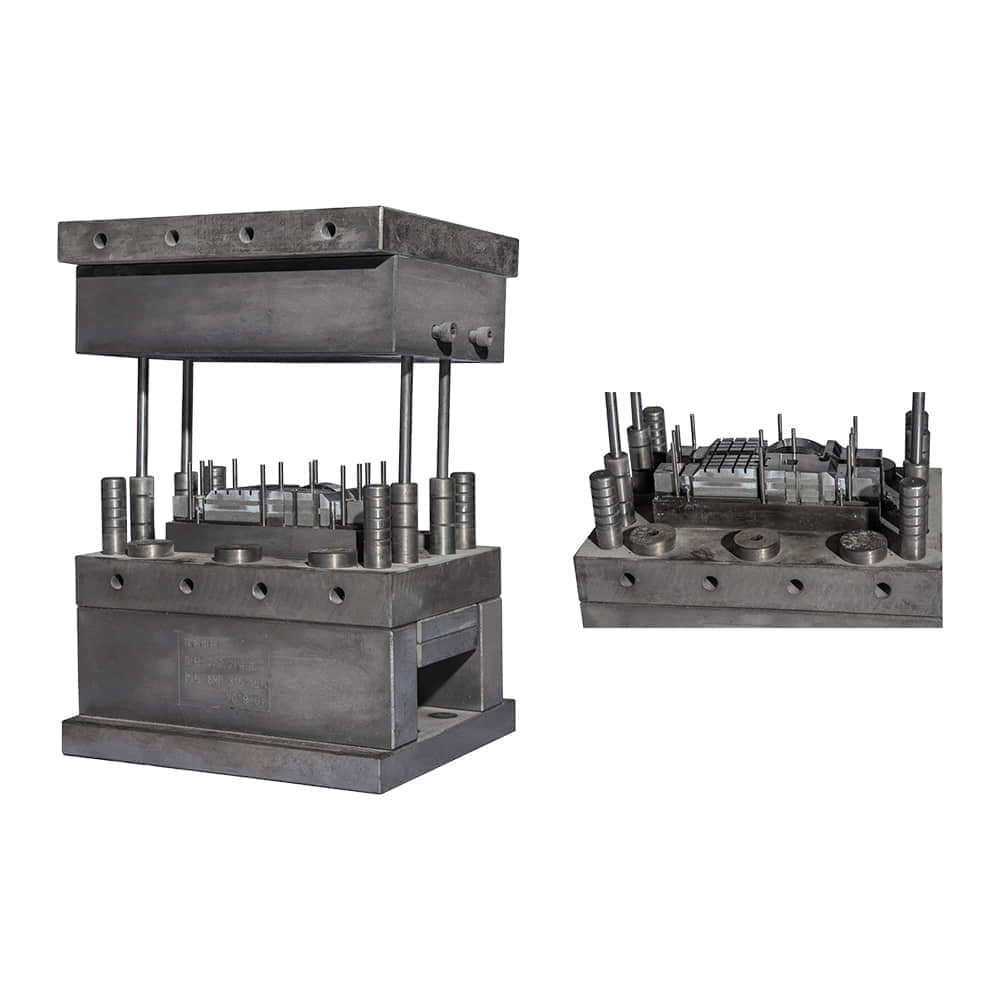
Thermosetting compression moulding is a pivotal manufacturing process in the realm of plastics and composites. It involves the transformation of raw materials into intricate shapes and forms that are integral to countless industries. This article delves into the nuances of thermosetting compression moulding, highlighting its significance, process, and applications.
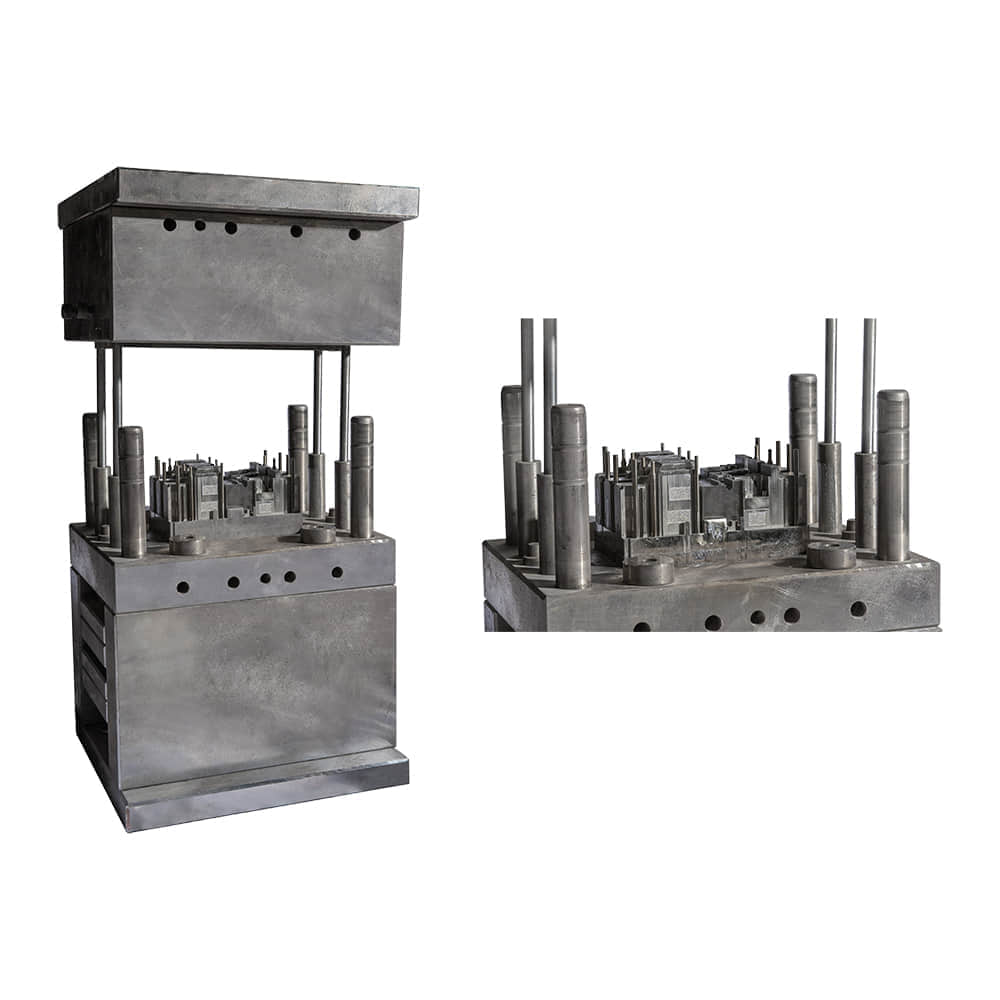
Understanding Thermosetting Compression Moulding
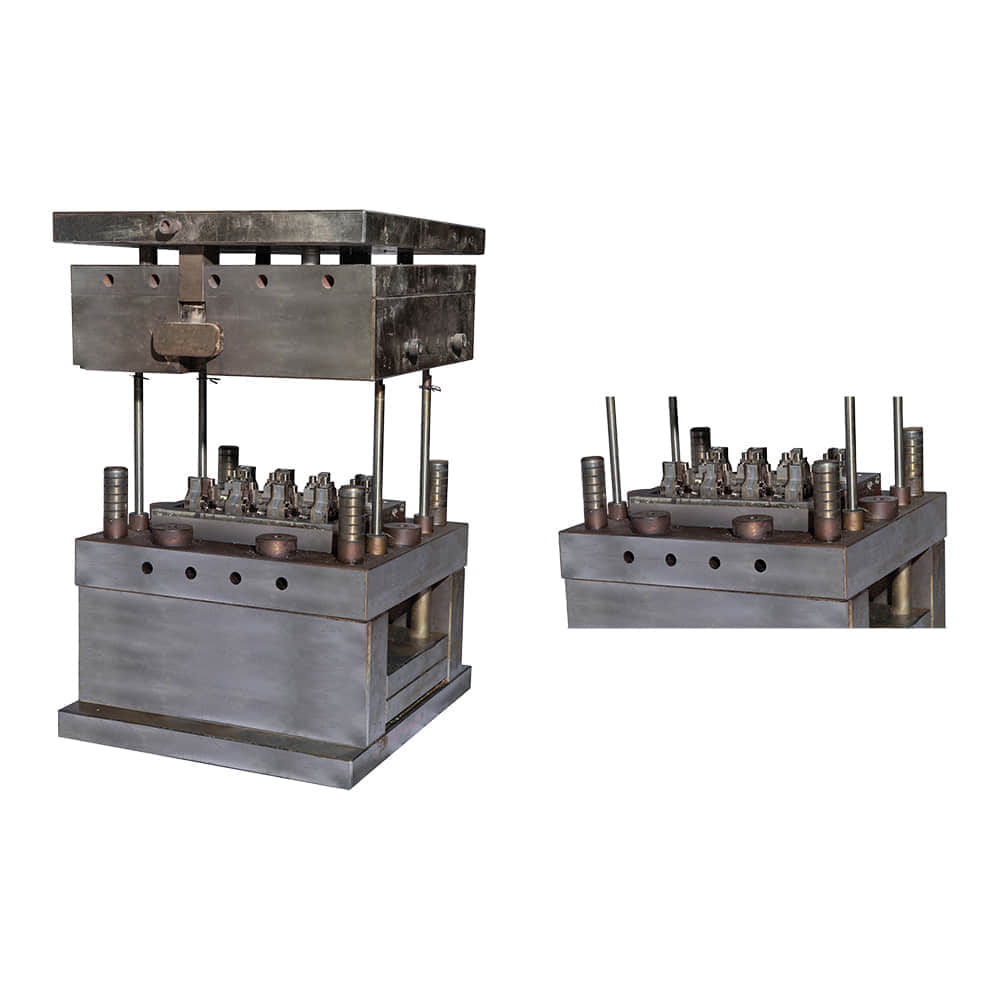
Thermosetting compression moulding is a technique used to create durable and heat-resistant products from thermosetting plastics. Unlike thermoplastics that can be melted and reshaped multiple times, thermosetting plastics undergo a chemical transformation during moulding that renders them irreversibly solid. This characteristic is highly advantageous in applications requiring exceptional heat resistance, mechanical strength, and dimensional stability. The Process The process of thermosetting compression moulding is a meticulous dance of heat, pressure, and time. Here’s a step-by-step breakdown of the process: Preheating:Raw thermosetting material, often in the form of granules, is preheated to reduce viscosity and enhance flowability. This step ensures that the material can uniformly fill the mould cavities. Loading:The preheated material is placed into an open mould cavity. Mould Closing:The mould is closed, and pressure is applied to keep it shut during the curing process. Curing:Heat is introduced to the closed mould, triggering the cross-linking reactions within the thermosetting material. This curing process solidifies the material into its final form. Cooling:After the curing period, the mould is gradually cooled down. This prevents deformation and ensures dimensional stability. Mould Opening:The cooled and cured product is removed from the mould. Applications The versatility of thermosetting compression moulding makes it a crucial player in various industries: Aerospace:Thermosetting composites are widely used in aerospace for their lightweight yet robust nature. Components like aircraft interior panels, structural elements, and engine parts are often manufactured through this process. Automotive:The automotive sector benefits from thermosetting compression moulding for producing parts with excellent mechanical strength, chemical resistance, and heat tolerance. Brake pads, engine components, and electrical insulators are just a few examples. Electrical Insulation:Thermosetting plastics serve as exceptional electrical insulators. This makes them vital in manufacturing circuit breakers, switches, and other electrical components. Consumer Goods:From kitchenware to decorative items, thermosetting compression moulding enables the creation of durable and aesthetically pleasing consumer goods. Medical Equipment:The process is also applied in the production of medical equipment housings, dental products, and prosthetic devices. Advantages and Considerations Thermosetting compression moulding offers several advantages: Durability:The resulting products exhibit high durability, even in harsh conditions. Heat Resistance:Thermosetting materials can withstand elevated temperatures without deformation. Mechanical Strength:The cured materials boast impressive mechanical properties, making them suitable for load-bearing applications. However, some considerations include the longer cycle times compared to thermoplastic processes and the need for careful control of curing conditions to avoid defects. In Conclusion Thermosetting compression moulding stands as a cornerstone in modern manufacturing, producing robust and heat-resistant products for various industries. Its intricate process, coupled with its wide range of applications, showcases its vital role in shaping the technological landscape. As industries continue to demand materials capable of withstanding extreme conditions, thermosetting compression moulding remains an essential technique for crafting the products of today and tomorrow.