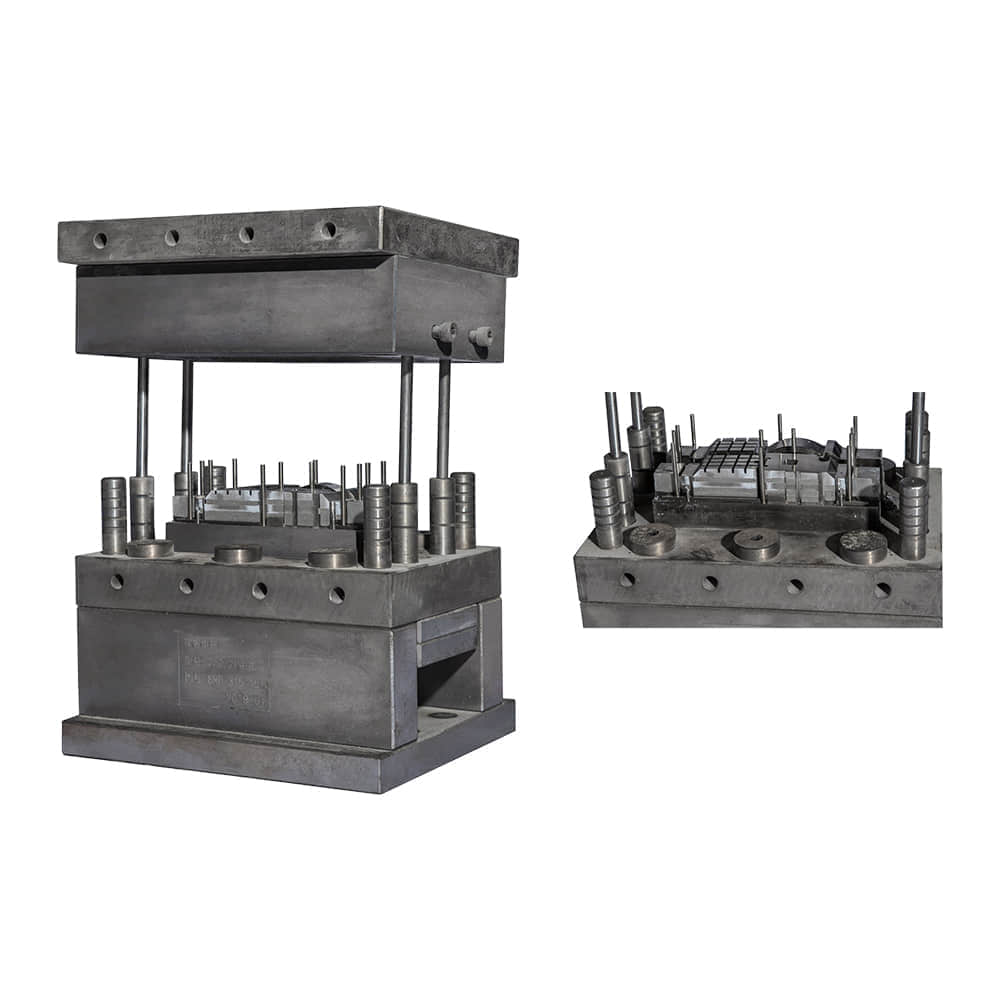
Thermosetting compression moulding is a versatile and essential manufacturing process widely employed in various industries to create intricate and durable products. This technique involves the transformation of raw materials into finished products through the application of heat and pressure, resulting in components with exceptional mechanical properties and heat resistance. In this article, we delve into the intricacies of thermosetting compression moulding, its applications, and its significance in modern manufacturing.
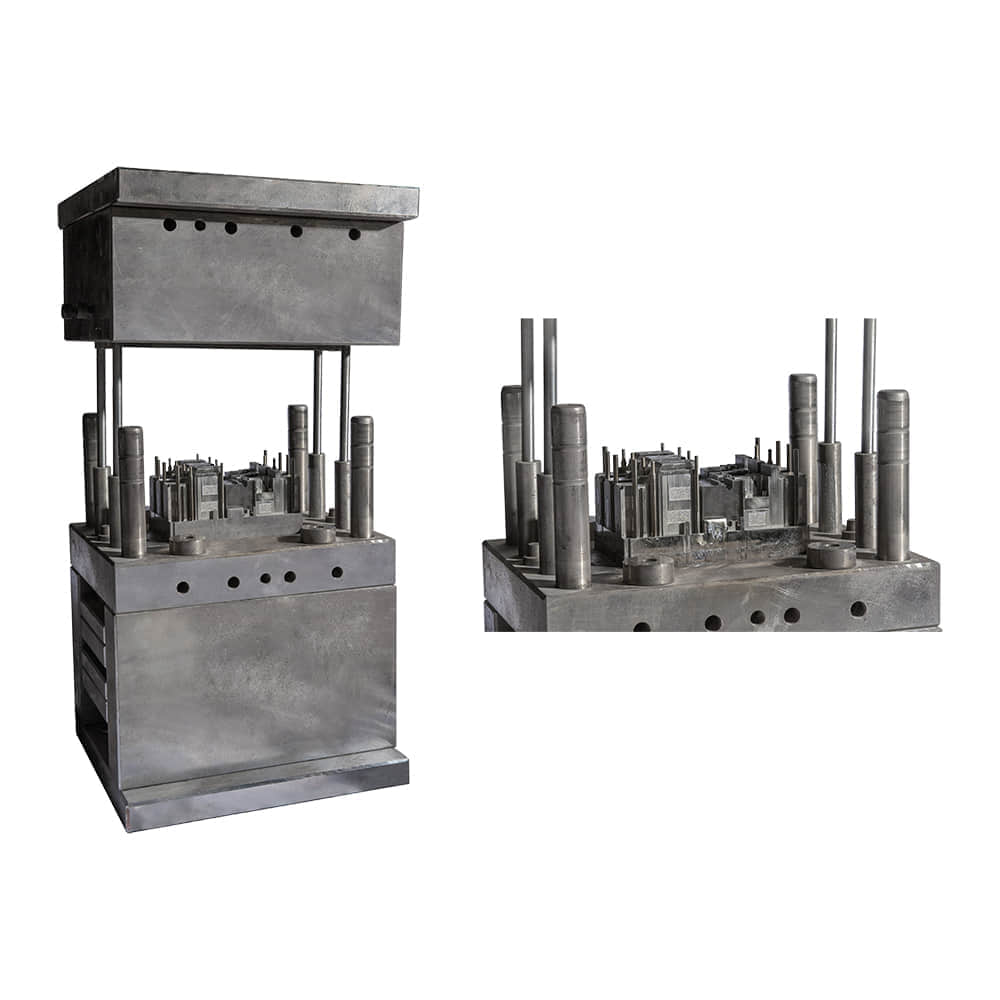
The Basics of Thermosetting Compression Moulding
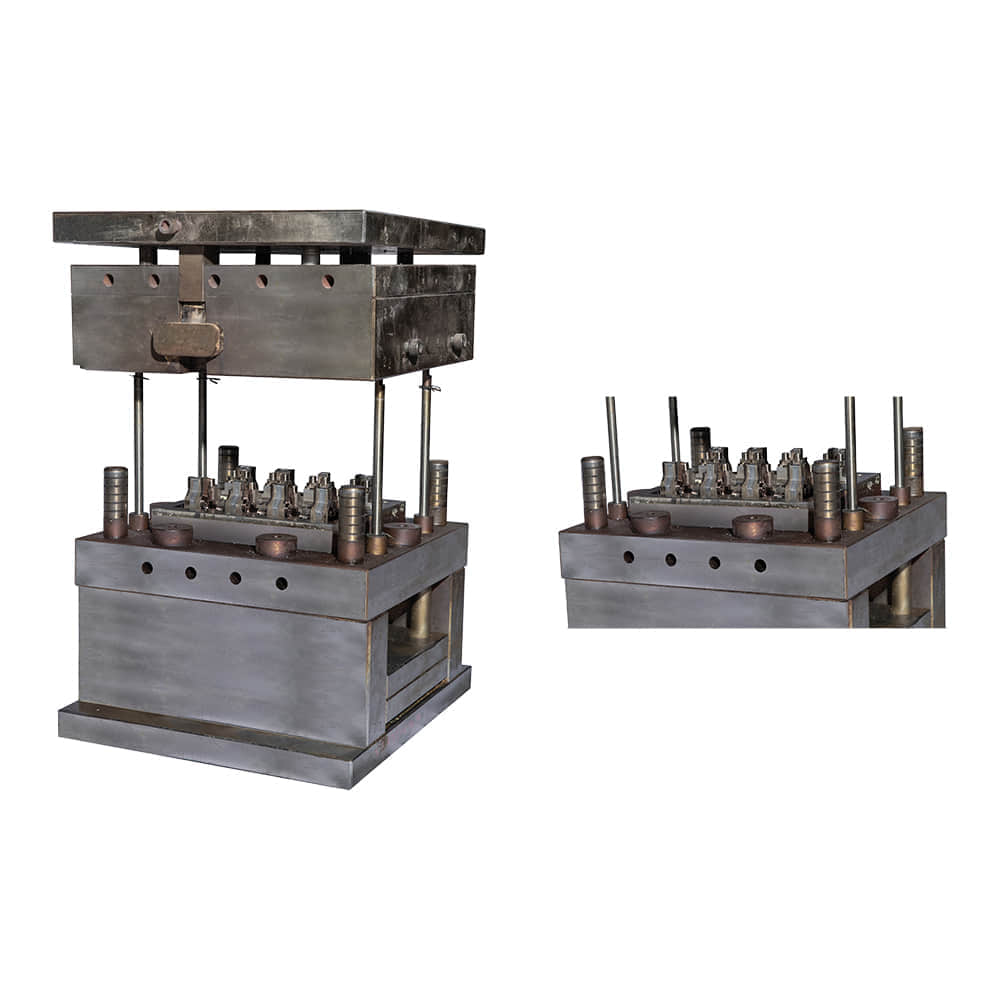
Thermosetting compression moulding is a manufacturing process that utilizes thermosetting polymers, which undergo irreversible chemical reactions when heated. Unlike thermoplastics, these polymers solidify permanently once they are cured. The process involves several key steps: Preparation of Raw Materials: The process begins with the careful selection and preparation of raw materials, which typically include thermosetting resins, fillers, and additives. These materials are chosen based on the desired properties of the final product. Loading the Mould: The prepared raw materials are placed in a mould cavity, often in the form of granules or pellets. These materials may include epoxy, phenolic, or melamine resins, along with reinforcing materials like fiberglass or carbon fibers. Application of Heat and Pressure: The mould is closed, and heat and pressure are applied simultaneously. The heat causes the thermosetting resin to undergo a cross-linking reaction, solidifying the material into the desired shape. The pressure ensures proper compaction of the material and fills the mould completely. Curing and Cooling: The heat and pressure are maintained for a specific duration, allowing the curing reaction to progress. Once the curing is complete, the mould is cooled down gradually to set the final shape and properties of the product. Demoulding: After cooling, the mould is opened, and the finished product is removed. This product is now a rigid, dimensionally stable component with enhanced mechanical and thermal attributes. Applications in Various Industries Thermosetting compression moulding finds applications in a multitude of industries due to the durability and resilience it imparts to products. Some notable applications include: Aerospace: Components such as aircraft interior panels, engine parts, and structural elements benefit from the high strength-to-weight ratio and fire-resistant properties of thermosetting compression-moulded materials. Automotive: Brake pads, clutch facings, and intricate interior parts are manufactured using this process to ensure reliability, heat resistance, and long-term performance. Electrical: Switchgear components, insulators, and connectors are often produced through compression moulding due to the excellent electrical insulation properties of thermosetting materials. Consumer Goods: Tableware, kitchen utensils, and decorative laminates are commonly manufactured using this technique, resulting in products with an attractive finish and durability. Significance in Modern Manufacturing Thermosetting compression moulding plays a pivotal role in modern manufacturing for several reasons: Material Performance: The process enhances material properties such as mechanical strength, dimensional stability, and resistance to heat, chemicals, and wear. Design Flexibility: Complex shapes and intricate designs can be achieved through compression moulding, allowing engineers and designers to create innovative products. Production Efficiency: The ability to process a wide range of materials in large quantities makes thermosetting compression moulding an efficient choice for mass production. Environmental Considerations: Thermosetting materials are known for their longevity, reducing the need for frequent replacements and minimizing waste generation. In Conclusion Thermosetting compression moulding stands as a testament to the innovation and progress in modern manufacturing. Its ability to transform raw materials into robust and reliable products with exceptional properties makes it an indispensable technique across various industries. As technology continues to evolve, so too will the applications and techniques associated with thermosetting compression moulding, driving the creation of even more advanced and high-performance products.