In the rapidly evolving world of the Internet of Things (IoT), the integration of Webhooks into IoT relays has revolutionized the way we control and automate devices. Webhook Enabled IoT Relay systems offer an efficient, flexible, and secure method to remotely control electrical devices and automate processes. In this article, we will dive into the workings, benefits, and applications of Webhook Enabled IoT Relay systems, demonstrating how this powerful combination is reshaping both home automation and industrial control systems.
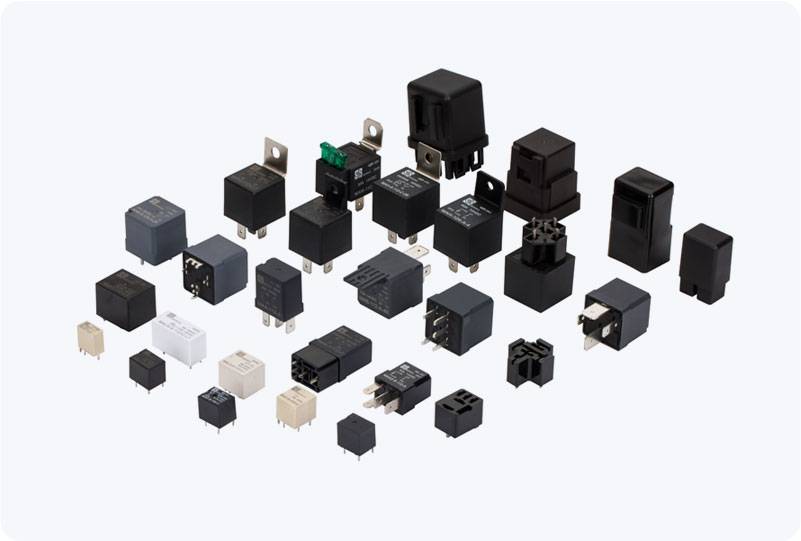
What is a Webhook Enabled IoT Relay? A Webhook Enabled IoT Relay is essentially an Internet-connected relay that uses Webhook technology to receive control commands via HTTP requests. A relay, in general, is a switch that opens or closes a circuit based on external signals. When integrated into an IoT system, a relay can be controlled remotely through the internet, allowing users to turn on or off electrical devices from anywhere in the world. Webhooks, on the other hand, are a way for applications to send real-time data to other systems through HTTP POST requests. By combining Webhook technology with IoT relays, users can trigger actions based on external events, allowing for seamless and real-time communication between devices and services.