In today’s fast-paced world, automation has become a vital part of various industries, as well as our everyday lives. One of the key components driving this shift is the Remote Control Relay, a device that allows the control of electrical circuits and systems from a distance. Whether used in home automation, industrial applications, or security systems, remote control relays offer immense convenience and efficiency. This article explores the working principle, applications, benefits, and challenges associated with remote control relays.
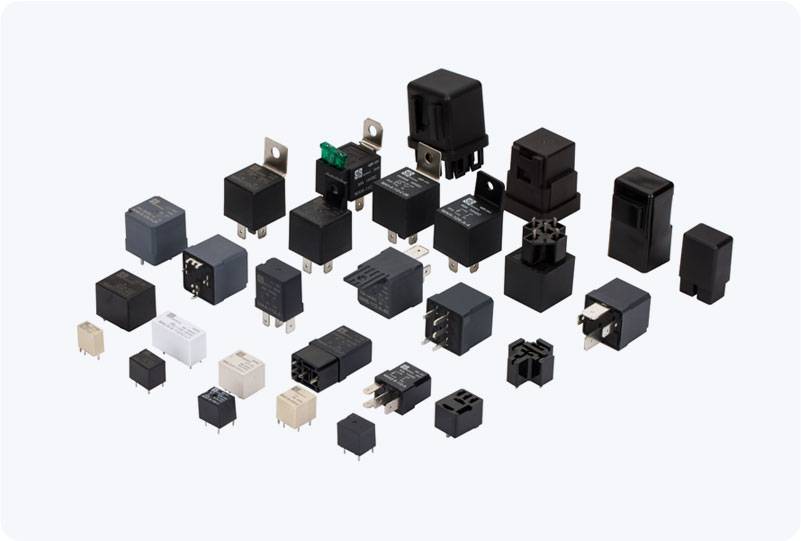
What is a Remote Control Relay? A Remote Control Relay is an electronic device designed to switch electrical circuits on or off without the need for direct manual intervention. It typically consists of two main components: a transmitter (remote control or signal source) and a receiver (relay module). The transmitter sends a control signal, which is received by the relay. Upon receiving the signal, the relay triggers the connected electrical device to either switch on or off. The communication between the transmitter and receiver can occur via various means, such as Wi-Fi, Bluetooth, RF (Radio Frequency) signals, or even infrared. These relays can control a variety of electrical devices, from simple lights and home appliances to complex industrial machinery.