In today’s rapidly advancing technological landscape, the Internet of Things (IoT) is making waves across various sectors, particularly in home automation, industrial systems, and remote control applications. One such key component enabling this transformation is the IoT Relay Module. This small but powerful device plays a crucial role in bridging the gap between the digital and physical worlds by allowing the remote control of electrical devices via the internet or a local network.
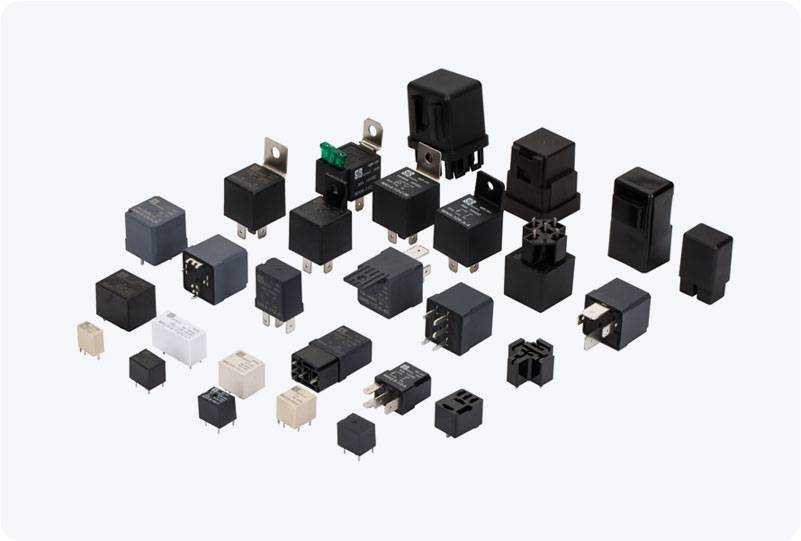
What is an IoT Relay Module? An IoT Relay Module is an electronic component that connects electrical devices, such as lights, fans, or machines, to a network, enabling them to be remotely controlled. At its core, the module consists of a relay—a mechanical switch that opens or closes a circuit to control the flow of electricity. When connected to an IoT system, the relay is controlled by an IoT platform, which could be a smartphone app, web interface, or automated program. IoT relay modules typically utilize communication technologies such as Wi-Fi, Bluetooth, Zigbee, or even cellular networks, making them accessible from anywhere with internet connectivity. This ability to control devices remotely adds a layer of convenience, automation, and efficiency that was once unthinkable for everyday appliances.