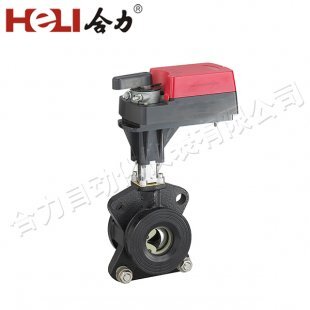
In recent years, the search for sustainable and environmentally friendly alternatives in engineering has led to innovative solutions across various sectors. One such breakthrough is the Hydrogen Energy Damper Actuator, which combines the power of hydrogen fuel with mechanical damping technology. This cutting-edge actuator offers a promising solution for industries that require precise control over mechanical systems while minimizing their environmental impact. In this article, we will explore the workings, applications, and potential benefits of the Hydrogen Energy Damper Actuator.

What is a Hydrogen Energy Damper Actuator?
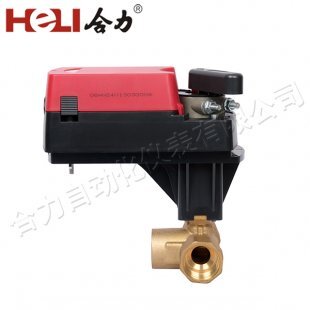
A Hydrogen Energy Damper Actuator is a type of actuator that uses hydrogen as its primary energy source to provide damping in mechanical systems. Traditional damper actuators are typically powered by electric motors, hydraulic systems, or pneumatic devices, but the hydrogen-powered variant introduces a clean and sustainable alternative. By utilizing hydrogen fuel cells or compressed hydrogen, these actuators can generate mechanical energy to control vibrations and oscillations in various machinery. The core function of a damper actuator is to absorb and dissipate energy, often in the form of mechanical vibrations, to protect systems from damage and improve their performance. Whether in automotive systems, aerospace applications, or industrial machinery, damping technology is crucial for maintaining safety, efficiency, and longevity.