In the realm of modern comfort and energy efficiency, the thermostat stands as a silent sentinel, ensuring our living spaces are maintained at the perfect temperature. Behind this unassuming device lies an intricate mechanical masterpiece that has revolutionized the way we control our environments. In this article, we delve into the world of “Thermostat Mechanical,” unraveling the mechanisms that enable precise temperature regulation.
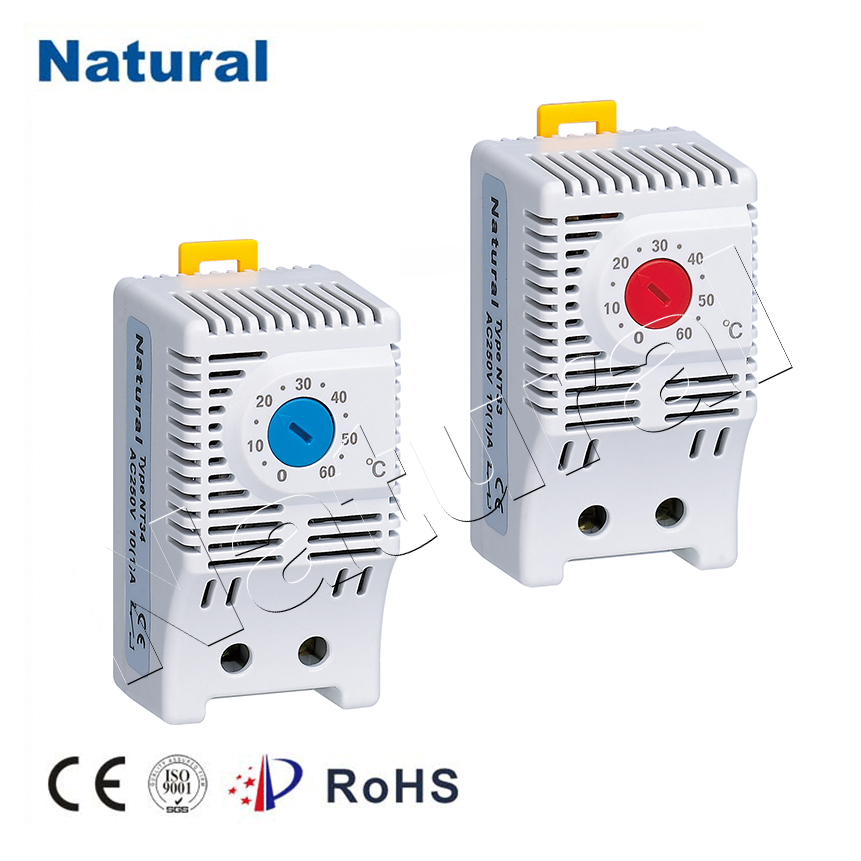
The Heart of Temperature Control At its core, a thermostat is designed to monitor and regulate temperature, creating a comfortable and consistent indoor environment. The mechanical thermostat, an early iteration of this technology, utilizes a bi-metallic strip as its central element. This strip is composed of two different metals, each with its own rate of expansion when heated. As temperature changes, the bi-metallic strip bends due to the differing expansion rates of the metals. This mechanical movement is the basis of the thermostat’s operation. Understanding the Bi-Metallic Strip Imagine a thermostat sitting on your wall. Inside, the bi-metallic strip is coiled or layered in a way that when the temperature drops, the strip curls one way, and when the temperature rises, it curls the other way. Connected to this strip is a contact point that controls the electrical circuit of your heating or cooling system. When the strip curls due to temperature fluctuations, it causes the contact point to move, either completing or breaking the circuit. This, in turn, triggers your heating or cooling system to activate or deactivate, maintaining the desired temperature. Calibration and Precision One of the impressive feats of thermostat mechanics is its ability to be calibrated for precision. The distance the bi-metallic strip needs to bend to trigger a temperature adjustment can be adjusted using a calibration dial. This allows homeowners to fine-tune the thermostat’s sensitivity according to their preferences. Hysteresis: Preventing Constant Cycling An essential aspect of thermostat mechanics is hysteresis, a built-in delay mechanism. If a thermostat were too sensitive, it might cause frequent and unnecessary temperature adjustments, leading to increased wear on the heating or cooling system. Hysteresis prevents this by introducing a temperature range where the thermostat remains inactive after reaching a desired temperature. Only when the temperature falls or rises beyond this range does the thermostat activate. This prevents constant cycling, ensuring energy efficiency and prolonging the life of the HVAC system. Advancements and Digital Evolution While mechanical thermostats were groundbreaking in their time, technology has brought forth digital and smart thermostats. These newer iterations offer enhanced functionality, such as programmable schedules, remote control through mobile apps, and integration with smart home ecosystems. Yet, the fundamental principles of temperature control rooted in mechanical thermostat designs continue to play a pivotal role in these advanced technologies. Conclusion The mechanical thermostat, though often overshadowed by its digital counterparts, remains a remarkable example of precision engineering. Its bi-metallic strip and calibration mechanisms showcase the ingenuity of early inventors who laid the foundation for modern temperature control. As we bask in the comfort of our temperature-regulated environments, let us not forget the silent yet crucial role played by the mechanical thermostat, a true marvel of mechanical design.