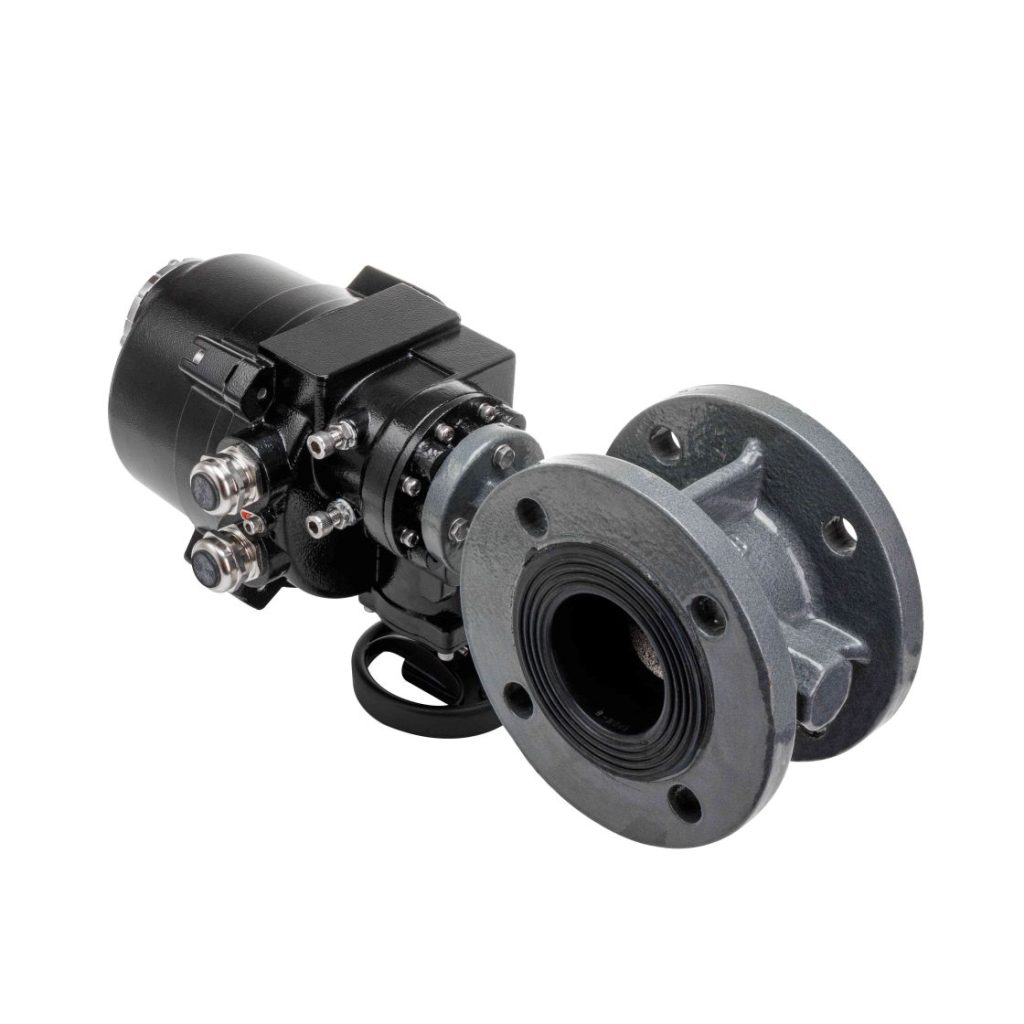
Stainless steel electric ball valves are vital components in various industries, providing an efficient solution for controlling the flow of fluids and gases. These valves combine robust construction and sophisticated technology, making them suitable for a wide range of applications. In this article, we will delve into the characteristics, advantages, and applications of stainless steel electric ball valves to highlight their significance in modern industrial processes.
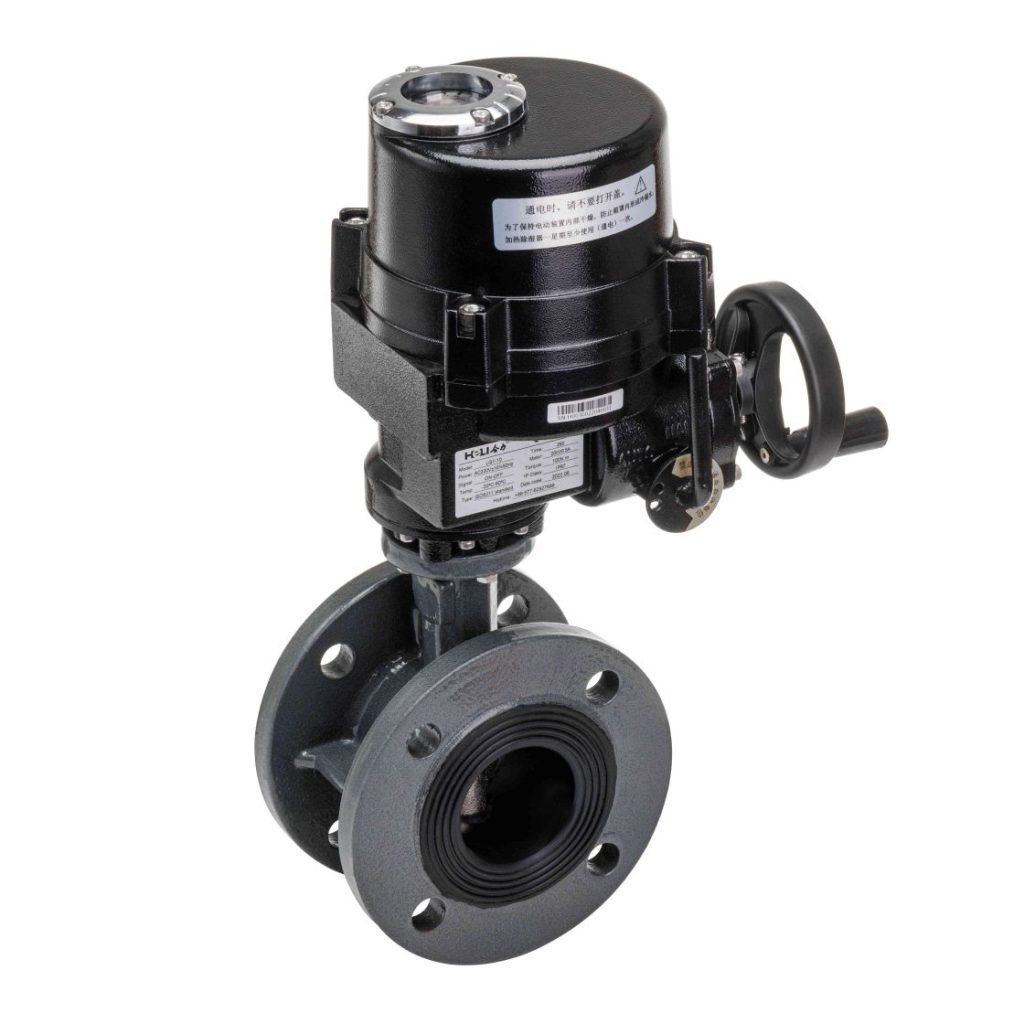
Understanding Stainless Steel Electric Ball Valves
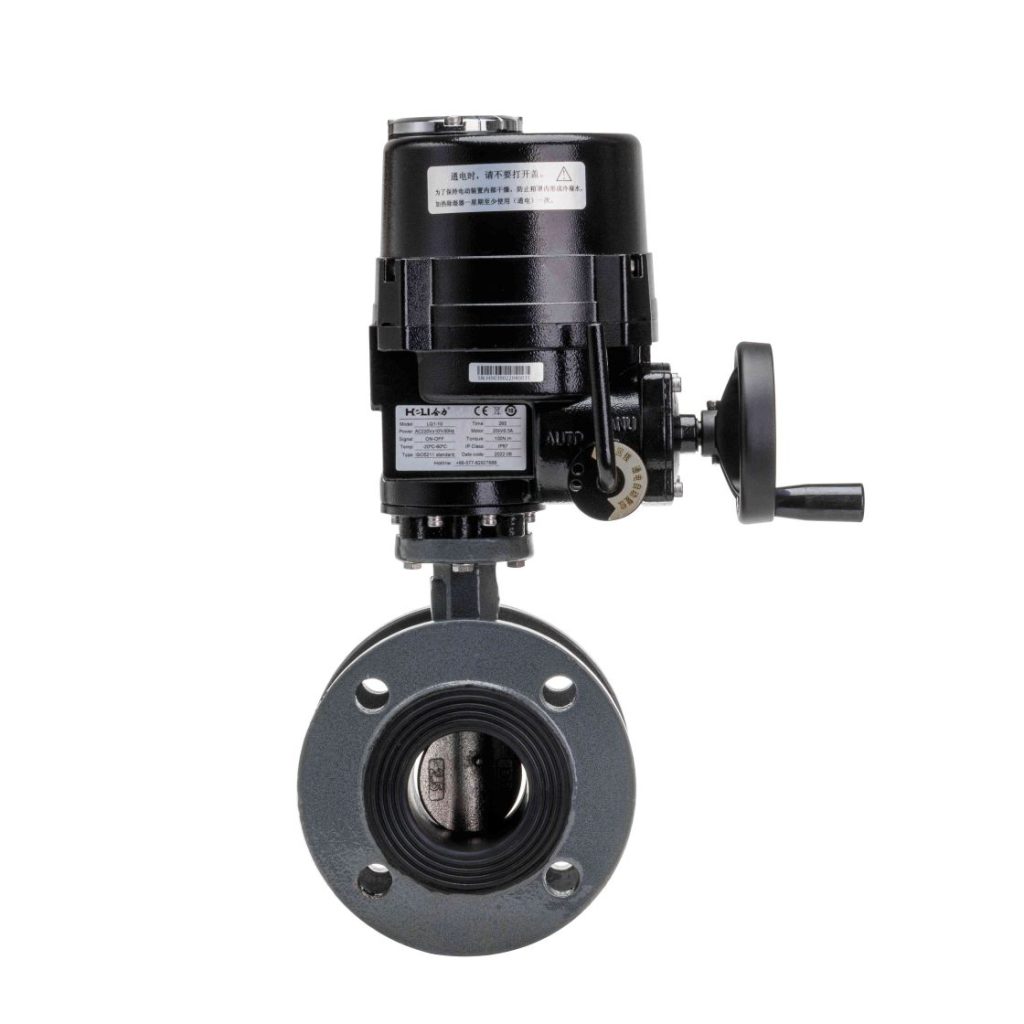
A stainless steel electric ball valve consists of a sturdy stainless steel body, a spherical disc that controls flow, and an electric actuator for automated operation. The rotating ball allows the valve to open or close the flow path with a quarter turn, providing a reliable and leak-proof seal. The materials used, such as 304 or 316 stainless steel, enhance the valve’s durability and resistance to corrosion and extreme temperatures, catering to demanding environments. Key Features Corrosion Resistance: One of the most significant advantages of stainless steel electric ball valves is their ability to withstand corrosive environments. The inherent properties of stainless steel make these valves ideal for applications involving harsh chemicals, seawater, or other corrosive substances.