In the ever-evolving landscape of smart home technology, the emergence of the contact thermostat has revolutionized the way we control and manage our indoor environments. This innovative device goes beyond traditional thermostats by offering enhanced convenience, energy efficiency, and customization, ushering in a new era of comfort and sustainability.
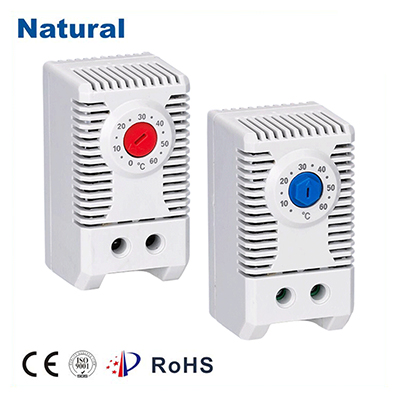
The concept of a contact thermostat might sound futuristic, but it’s grounded in simple yet ingenious principles. Unlike conventional thermostats that rely solely on ambient temperature readings, contact thermostats take a more comprehensive approach by factoring in other elements such as occupancy, humidity, and even user preferences. This holistic approach allows for more accurate and efficient temperature regulation. One of the standout features of the contact thermostat is its ability to detect occupancy. Traditional thermostats often rely on preset schedules to adjust the temperature, regardless of whether anyone is actually present in the space. Contact thermostats, however, use a combination of motion sensors and proximity detectors to determine if a room is being used. This means that rooms can be heated or cooled only when needed, leading to significant energy savings over time. Furthermore, these thermostats take advantage of their connectivity to user devices, allowing homeowners to remotely control the temperature settings. Imagine being able to adjust your home’s temperature while you’re on your way back from a vacation, ensuring a cozy welcome upon your arrival. This level of control not only enhances comfort but also contributes to energy conservation by preventing unnecessary heating or cooling. Contact thermostats also shine in their approach to energy efficiency. They adapt to users’ habits and preferences, learning from their interactions over time. By analyzing data such as temperature adjustments and occupancy patterns, these thermostats optimize settings to create a personalized and energy-efficient environment. This adaptability not only ensures a comfortable living space but also helps reduce energy consumption, lowering utility bills and benefiting the environment. Humidity regulation is another aspect where contact thermostats excel. Maintaining the right humidity level is crucial for both comfort and health, as excessively dry or damp air can lead to various issues. Contact thermostats are equipped with humidity sensors that work in tandem with temperature sensors to maintain an ideal indoor climate. This is especially valuable in regions with varying weather patterns throughout the year. It’s important to note that the installation and setup of contact thermostats are designed to be user-friendly. Many models offer intuitive interfaces and step-by-step instructions, enabling homeowners to quickly integrate the device into their smart home ecosystems. The goal is to empower users to make informed decisions about their energy usage while enjoying a higher degree of comfort. In conclusion, the advent of the contact thermostat marks a significant milestone in the evolution of smart home technology. By combining occupancy detection, remote control capabilities, energy efficiency, and humidity regulation, these devices offer a comprehensive solution to the challenges of temperature management. As we continue to prioritize energy conservation and sustainability, contact thermostats provide a tangible way to contribute to a greener future while enjoying unparalleled comfort in our living spaces.