New energy relay, a critical component in modern energy management systems, plays a crucial role in the transition to sustainable and renewable energy sources. As the world increasingly turns to solar, wind, and electric vehicle (EV) technologies, the need for reliable and efficient energy control systems has become paramount. The new energy relay is designed to meet the demanding requirements of these evolving power systems, offering solutions for safety, performance, and reliability.
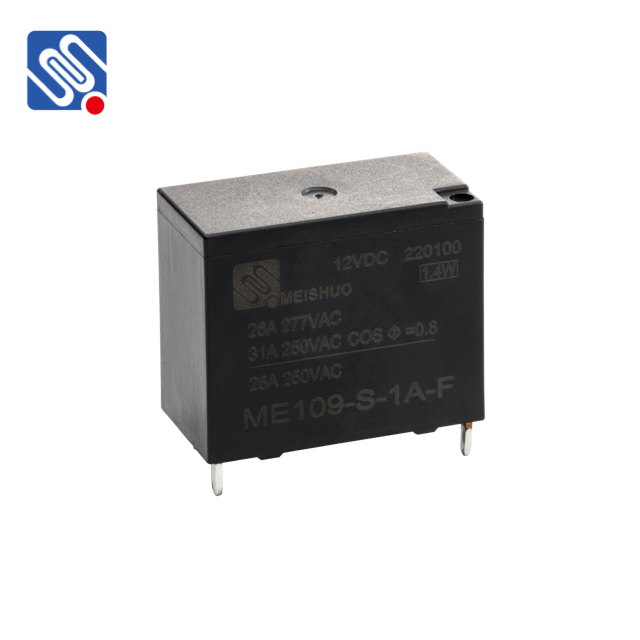
What is a New Energy Relay? A new energy relay is a specialized type of relay used in renewable energy systems to control and protect electrical circuits and components. Unlike traditional relays, new energy relays are optimized for use in renewable energy applications such as solar power generation, wind energy systems, energy storage, and electric vehicle charging stations. These relays are designed to handle the unique challenges presented by these technologies, including high voltages, fluctuating power loads, and complex control needs. Functions of New Energy Relays Protection and Safety: One of the primary functions of new energy relays is ensuring the protection of electrical circuits. In renewable energy systems, such as solar panels or wind turbines, power generation can be unpredictable, with sudden surges or drops in voltage. The relay acts as a safeguard, quickly disconnecting or redirecting power in case of faults, overloads, or short circuits. This minimizes the risk of damage to delicate components and enhances the overall safety of the system.