The Hydrogen Gas Arc Extinguishing Relay represents a significant innovation in electrical protection systems. As electrical infrastructure grows more complex with the integration of renewable energy sources and increased demand for reliable power supply, the need for efficient and reliable protection mechanisms has never been more critical. This relay offers a unique solution for mitigating the risks associated with electrical arcs, primarily by utilizing hydrogen gas to extinguish arcs, thereby enhancing the safety and reliability of electrical systems.
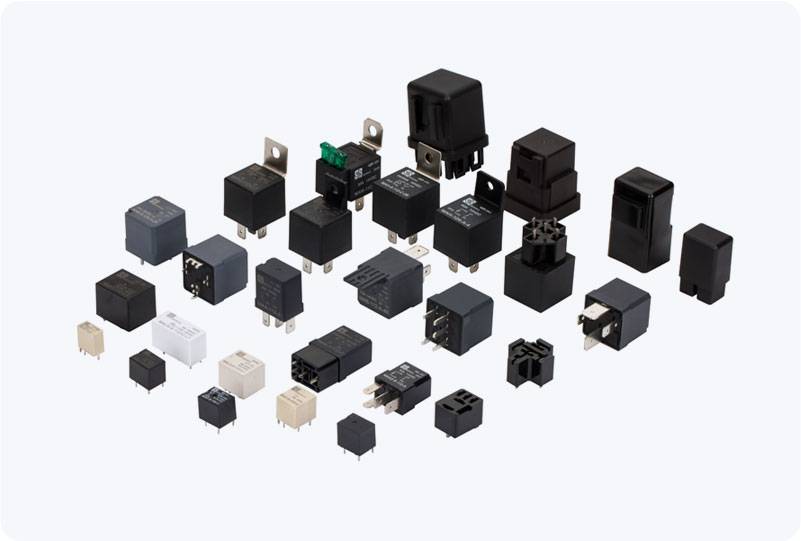
At its core, the Hydrogen Gas Arc Extinguishing Relay is designed to detect and respond to electrical faults, particularly short circuits. These faults can lead to dangerous arcing conditions, which pose severe risks not only to electrical equipment but also to personnel safety. Traditional methods of arc extinction often involve mechanical or thermal means, but these methods may not be as fast or effective as desired. The incorporation of hydrogen gas into the arc extinguishing process introduces a new and promising approach. The operation of the Hydrogen Gas Arc Extinguishing Relay revolves around the fundamental characteristics of hydrogen gas. When an electrical fault occurs, an arc is formed between conductive elements in the circuit. This arc can reach extremely high temperatures, leading to potential damage to the equipment and hazards such as fire. However, hydrogen gas has a high thermal conductivity and a low molecular weight, allowing it to cool down the arc rapidly. The relay not only detects the presence of an arc but also initiates a process that floods the area with hydrogen gas, efficiently extinguishing the arc and minimizing its duration. This rapid action is crucial in limiting the damage and ensuring a swift restoration of normal operations.
Leave a Reply