In recent years, the rapid advancement of smart technology has transformed the way we interact with everyday appliances. From controlling lighting to managing home security, the introduction of smart devices has made our lives more convenient and efficient. Among these innovations, the Smart Appliance Relay (SAR) stands out as a pivotal component in the evolution of home automation systems. By allowing traditional household appliances to become “smart,” SARs bridge the gap between conventional devices and modern automation networks, enabling remote control, energy efficiency, and enhanced user experiences.
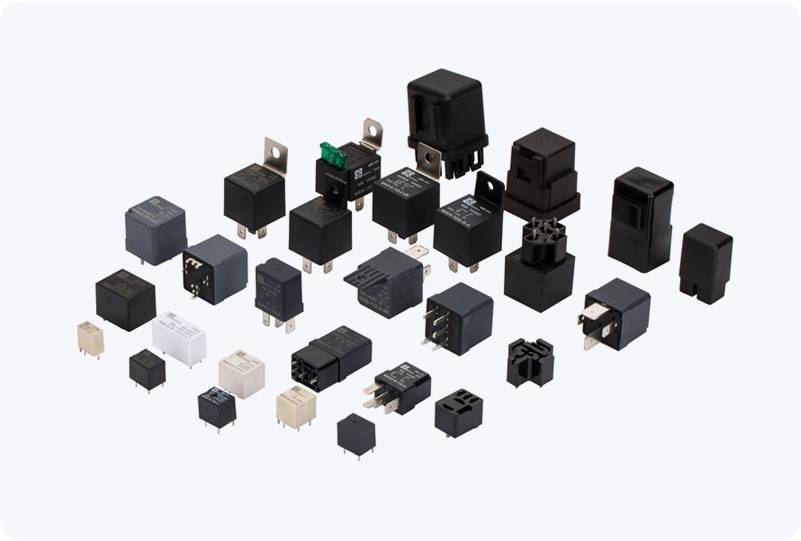
What is a Smart Appliance Relay? A Smart Appliance Relay is a device designed to control electrical appliances remotely. It works by acting as an intermediary between a home appliance and a smart control system, such as a smartphone, tablet, or voice assistant (e.g., Amazon Alexa or Google Assistant). By connecting the relay to the appliance, users can switch devices on or off, monitor energy consumption, and automate their appliances based on specific triggers or schedules. The technology behind SARs relies heavily on wireless communication protocols like Wi-Fi, Zigbee, or Bluetooth, which allow them to be easily integrated into existing smart home ecosystems. As such, they have become an essential part of many home automation setups, providing both flexibility and functionality.