In today’s rapidly advancing technological landscape, smart devices have become an integral part of our daily lives, making our environments more comfortable, efficient, and convenient. One such innovation that often goes unnoticed but plays a crucial role in maintaining optimal temperatures is the “Normally Open Thermostat.” In this article, we will delve into the concept, working principle, applications, and benefits of this unassuming yet essential component.
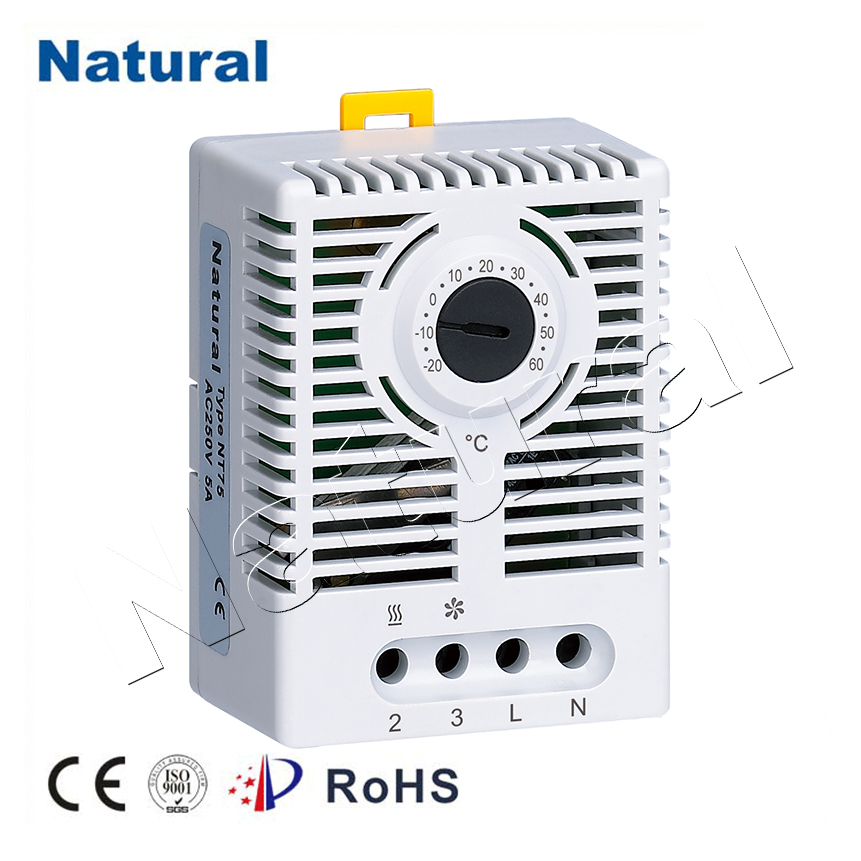
Understanding the Normally Open Thermostat A Normally Open Thermostat is a temperature-sensitive switch used to control heating or cooling equipment. Unlike traditional thermostats that are normally closed, meaning the circuit is complete when the temperature drops below a certain threshold, a Normally Open Thermostat operates in the opposite manner. The circuit remains open when the temperature is below the set point, and it closes to activate the connected equipment when the temperature rises beyond the predetermined threshold. How Does It Work? The mechanism of a Normally Open Thermostat is based on a bimetallic strip, which consists of two different metals with distinct coefficients of thermal expansion bonded together. As temperature changes, the strip bends due to the varying expansion rates of the metals. This bending action either opens or closes the electrical contacts, thereby controlling the circuit. When the temperature is lower than the set point, the bimetallic strip remains in its original position, keeping the circuit open. As the ambient temperature increases and surpasses the set point, the strip bends in response to the unequal expansion of the metals. This bending action causes the contacts to close, completing the circuit and activating the connected device, such as a heater or air conditioner. Applications in Daily Life Normally Open Thermostats find applications in various aspects of daily life. They are commonly employed in home heating systems, such as baseboard heaters and radiant panels, where they ensure that the temperature remains within a comfortable range. Additionally, these thermostats are used in refrigeration systems to maintain optimal cooling conditions. Advantages of Normally Open Thermostats Safety: One of the significant advantages of a Normally Open Thermostat is its safety feature. In case of a malfunction or power outage, the circuit remains open, preventing the equipment from operating and reducing the risk of overheating or other potential hazards. Energy Efficiency: These thermostats contribute to energy efficiency by preventing unnecessary cycling of the connected equipment. Since the circuit only closes when the temperature surpasses the set point, the equipment operates only when needed, reducing energy consumption. Reliability: The simplicity of the bimetallic strip mechanism makes Normally Open Thermostats reliable and long-lasting. There are minimal moving parts, reducing the likelihood of mechanical failure. Compatibility: These thermostats are compatible with a wide range of heating and cooling systems, making them versatile and suitable for various applications. Conclusion While the Normally Open Thermostat may not be as flashy as some other smart devices, its significance in maintaining comfortable living and working environments cannot be understated. Through its unique operation and advantages such as safety, energy efficiency, and reliability, this unassuming component plays a crucial role in our daily lives. As technology continues to advance, it’s essential to recognize and appreciate the simple yet impactful innovations that enhance our overall quality of life.