In the realm of modern technology, electronic hygrostats have emerged as crucial components that play a pivotal role in maintaining optimal humidity levels across various environments. Whether it’s in homes, industrial settings, or laboratories, these devices offer unparalleled control over humidity, thereby preserving comfort, quality, and functionality. In this article, we delve into the functionality and benefits of electronic hygrostats.
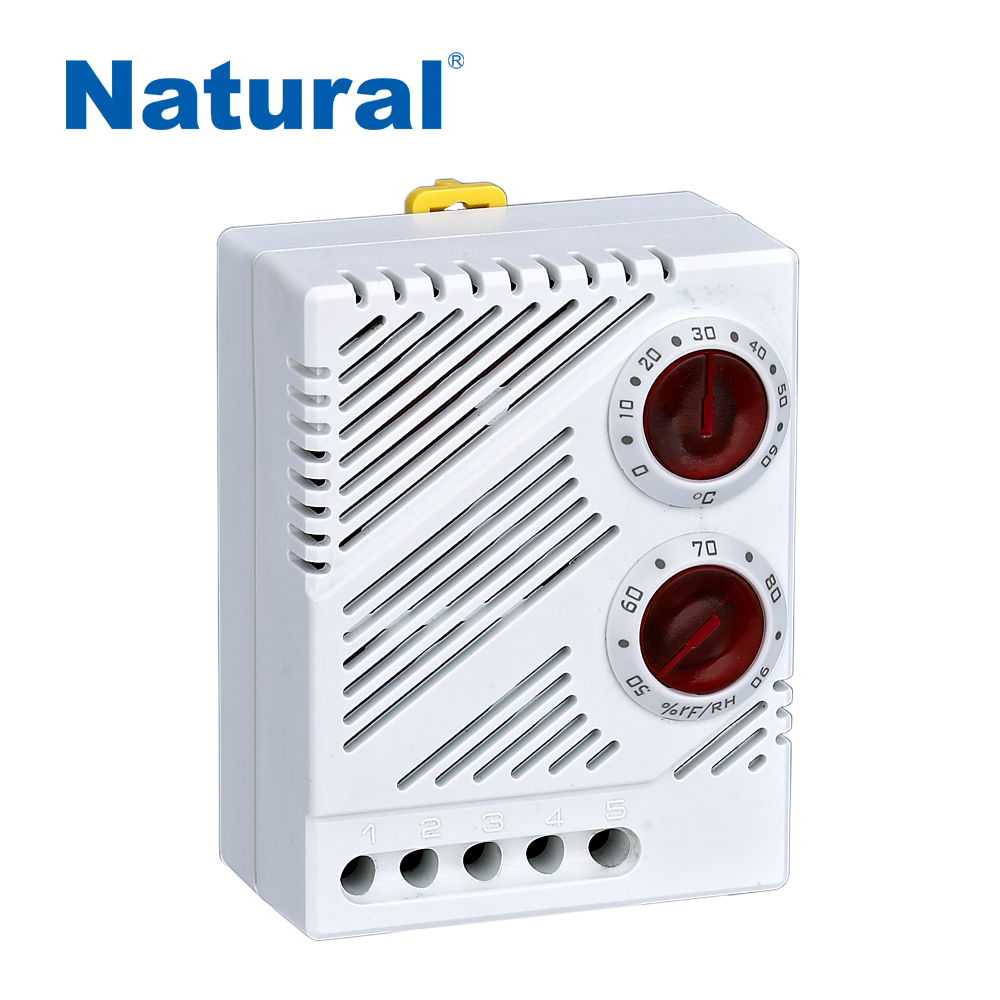
Understanding Electronic Hygrostats An electronic hygrostat is a specialized device designed to measure and control humidity levels within a designated area. It utilizes advanced sensors to detect changes in moisture content and subsequently triggers connected humidifiers, dehumidifiers, or ventilation systems to achieve the desired humidity level. This real-time monitoring and adjustment process ensures that the environment remains conducive to the specific requirements of the space and its occupants. Precise Humidity Regulation One of the primary advantages of electronic hygrostats is their ability to regulate humidity with exceptional accuracy. Unlike traditional methods that might rely on manual adjustments or rudimentary controls, electronic hygrostats can maintain humidity within a narrow range, thereby preventing issues related to excessive moisture, such as mold growth, or the discomfort caused by overly dry conditions. This level of precision is especially critical in environments like museums, data centers, and research laboratories, where even slight fluctuations in humidity can have far-reaching consequences. Energy Efficiency Electronic hygrostats are engineered with energy efficiency in mind. By activating humidification or dehumidification equipment only when necessary, these devices contribute to energy conservation. This not only reduces operational costs but also aligns with sustainability goals by minimizing overall energy consumption. Preventing Material Damage In various industries, maintaining proper humidity levels is essential for preserving the integrity of materials and products. For instance, in the realm of woodworking, electronic hygrostats help prevent warping or cracking of wood due to excessive moisture. In the pharmaceutical industry, they aid in safeguarding the stability of medications that are sensitive to humidity. By ensuring the optimal environment, these devices extend the shelf life of products and reduce waste. Health and Comfort Electronic hygrostats also have significant implications for human health and comfort. In residential settings, they prevent the growth of mold and dust mites, which are known allergens and can exacerbate respiratory conditions. Moreover, maintaining an appropriate humidity level can alleviate discomfort caused by dry skin, irritated eyes, and respiratory issues that are often associated with low humidity environments. Applications in Agriculture The agricultural sector benefits immensely from electronic hygrostats. In greenhouses, these devices enable growers to create ideal conditions for plant growth. They can manipulate humidity levels to mimic specific climatic conditions, promoting healthy crop development and increasing overall yield. Conclusion As technology continues to advance, electronic hygrostats stand as prime examples of how innovation can improve our daily lives. By offering precise humidity regulation, energy efficiency, material preservation, and health benefits, these devices have found their place in various industries and settings. As we move forward, the continued refinement and integration of electronic hygrostats into different applications promise a more comfortable, efficient, and sustainable future.