Introduction
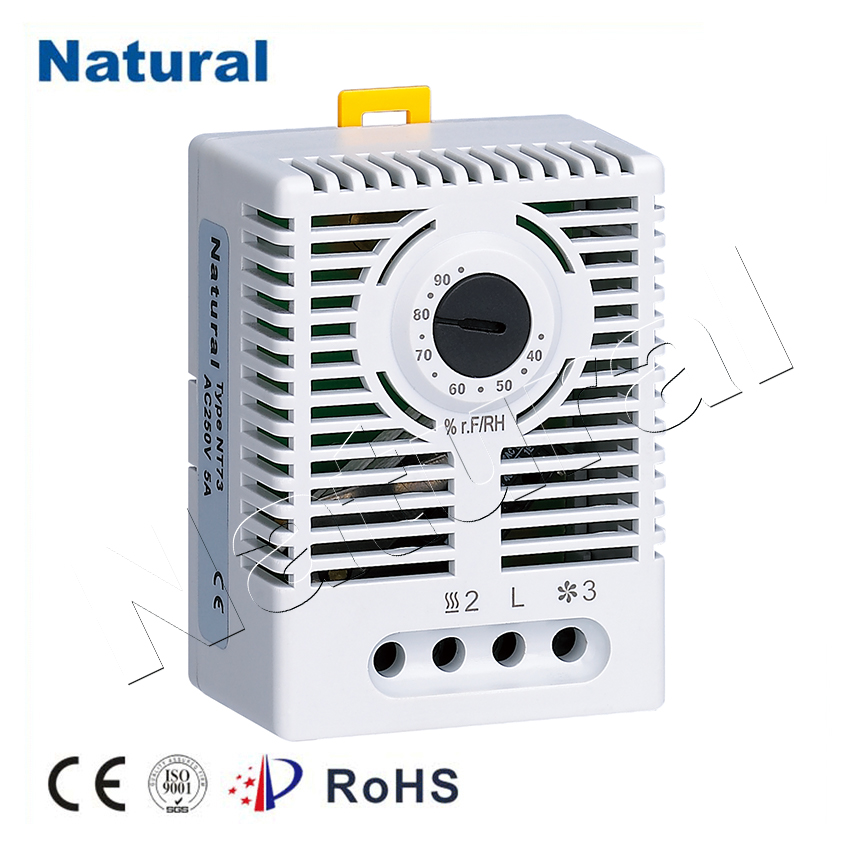
In today’s world of advanced technology, where automation and precision are paramount, even the simplest mechanisms play a crucial role in maintaining optimal conditions. One such mechanism is the mechanical hygrostat. In this article, we will delve into the functionality and applications of the mechanical hygrostat, shedding light on its importance in various industries and daily life. Functionality of Mechanical Hygrostats A mechanical hygrostat is a device designed to control humidity levels within a given environment. It operates based on the principle of hygroscopy, wherein certain materials absorb moisture from the air, causing them to expand or contract. This property is harnessed by the mechanical hygrostat to trigger a response when a specific humidity threshold is reached. Comprising a hygroscopic element and a mechanical linkage, the hygrostat operates as follows: when humidity levels rise, the hygroscopic element absorbs moisture, leading to its expansion. This expansion, in turn, triggers the mechanical linkage, which can be used to activate or deactivate various devices. Conversely, when humidity levels decrease, the hygroscopic element contracts, reversing the mechanical linkage’s action. This uncomplicated yet effective mechanism makes the mechanical hygrostat an invaluable tool for humidity regulation. Applications in Diverse Industries HVAC Systems: Heating, Ventilation, and Air Conditioning (HVAC) systems rely on mechanical hygrostats to maintain comfortable indoor environments. By controlling humidity levels, these systems prevent mold growth, enhance indoor air quality, and ensure optimal conditions for both occupants and equipment. Greenhouses and Agriculture: Agriculture often requires precise control of humidity levels to ensure optimal plant growth. Mechanical hygrostats play a crucial role in greenhouses by regulating humidity to prevent excess moisture that can lead to plant diseases. Museums and Archives: Artifacts, historical documents, and artworks are highly sensitive to changes in humidity. Mechanical hygrostats are utilized in museums and archives to maintain stable humidity levels, preserving these valuable items for future generations. Food and Beverage Industry: Proper humidity control is essential in the food and beverage industry to prevent spoilage and maintain product quality. Mechanical hygrostats help regulate storage environments, extending the shelf life of products. Manufacturing: Certain manufacturing processes, such as those involving textiles, wood, and pharmaceuticals, require specific humidity levels for optimal production. Mechanical hygrostats ensure consistency and quality in such processes. Residential Use: Mechanical hygrostats find their way into everyday homes, particularly in bathrooms, basements, and storage areas. By preventing excessive moisture, they help prevent mold growth and protect the structural integrity of the building. Advantages and Limitations Mechanical hygrostats offer several advantages. They are cost-effective, easy to install, and require minimal maintenance. Their mechanical nature makes them reliable even in harsh environments where electronic devices might fail. However, they may lack the precision and fine-tuning capabilities of electronic hygrostats, and their response times might be slower. Conclusion In a world increasingly driven by advanced technologies, the mechanical hygrostat reminds us that simplicity can still be remarkably effective. From HVAC systems to museums, greenhouses to manufacturing facilities, these unassuming devices play a pivotal role in maintaining optimal humidity levels. Their robustness and reliability make them an essential tool across diverse industries, safeguarding human comfort, product quality, and historical artifacts. As we continue to innovate, let’s not forget the fundamental mechanisms that contribute to a well-balanced and controlled environment.