In today’s fast-paced technological world, maintaining optimal conditions in various environments is crucial. One key factor that often goes unnoticed but significantly impacts comfort and efficiency is humidity. Electronic hygrostats, innovative devices designed to regulate humidity levels, have emerged as essential tools in achieving controlled environments across a range of industries.
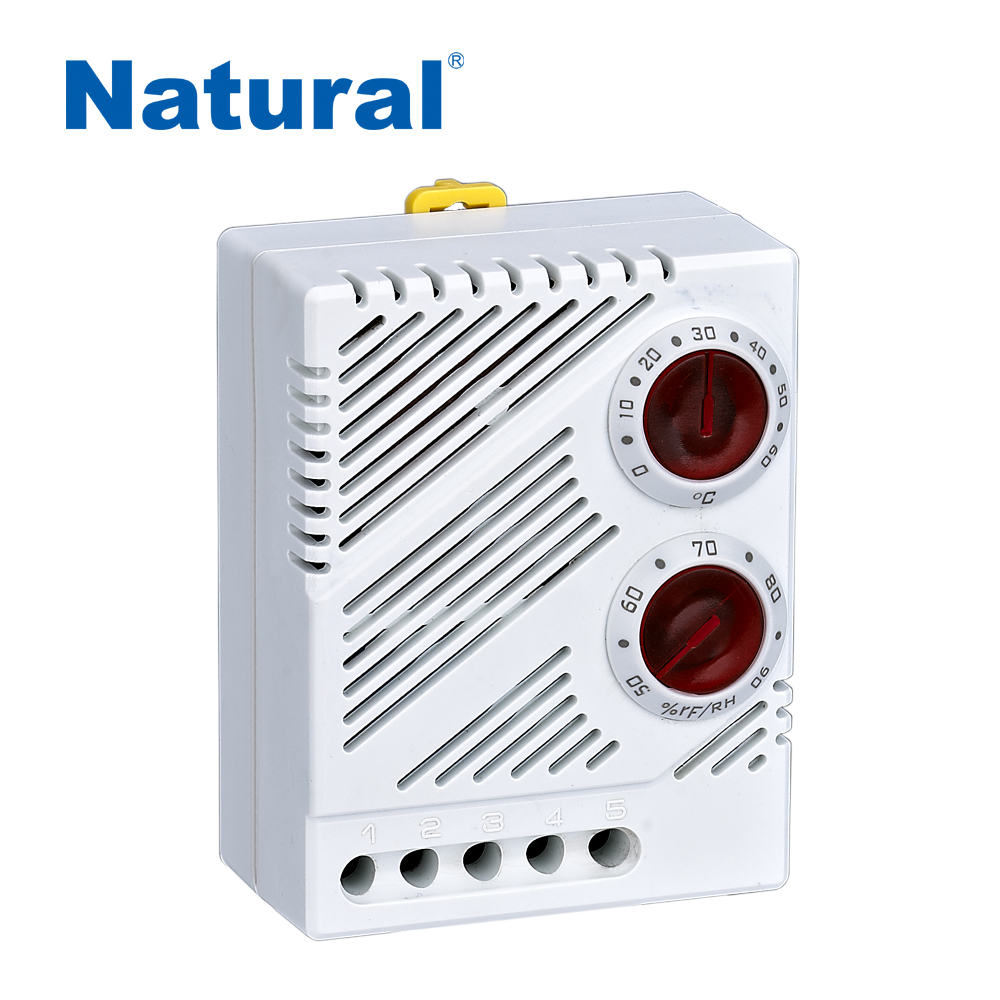
An electronic hygrostat is a device that monitors and controls humidity levels within a defined space. It operates by detecting changes in humidity and activating or deactivating humidification or dehumidification systems accordingly. Unlike traditional hygrostats that rely on mechanical components, electronic hygrostats leverage advanced sensor technology to provide more accurate and precise control. The functionality of electronic hygrostats revolves around their sensors, controllers, and output systems. The heart of the device is the humidity sensor, which measures the relative humidity of the environment. This information is then sent to the controller, which compares the measured humidity level with the desired setpoint. Based on this comparison, the controller triggers the appropriate output, such as activating a humidifier when the humidity is too low or turning on a dehumidifier when the humidity is too high. The applications of electronic hygrostats span a wide range of industries, showcasing their versatility and importance. In the realm of HVAC (Heating, Ventilation, and Air Conditioning) systems, electronic hygrostats play a critical role in maintaining comfortable and healthy indoor environments. They prevent issues such as mold growth, which can be triggered by excessive humidity, and help alleviate respiratory problems caused by overly dry air. Electronic hygrostats also find their place in industries like agriculture and manufacturing. In agriculture, precise humidity control is crucial for maintaining optimal conditions for plant growth, seed germination, and storage. In manufacturing, controlling humidity is essential for processes like painting, printing, and electronics assembly, where variations in humidity can lead to defects and reduced product quality. The advantages of electronic hygrostats are manifold. Their digital nature enables more accurate and rapid adjustments compared to their mechanical counterparts. Additionally, many electronic hygrostats offer programmable features, allowing users to set customized humidity ranges and control parameters tailored to specific requirements. This adaptability is particularly valuable in environments with varying humidity needs. Another notable advantage is the integration capability of electronic hygrostats with other building management systems. They can be seamlessly incorporated into existing automation networks, allowing for centralized control and monitoring of various environmental parameters, including temperature and ventilation. As technology continues to advance, electronic hygrostats are becoming smarter and more sophisticated. Some models incorporate machine learning algorithms that analyze historical humidity data and predict future trends, enabling proactive adjustments before issues arise. This predictive capability can save energy, reduce equipment wear and tear, and improve overall system efficiency. In conclusion, electronic hygrostats are pivotal devices for maintaining optimal humidity levels in diverse settings. Their advanced sensor technology, precise control mechanisms, and integration capabilities make them indispensable tools in industries ranging from HVAC to agriculture and manufacturing. As we prioritize comfort, health, and efficiency, electronic hygrostats stand as a testament to the power of technology in creating controlled environments that enhance our quality of life.