Introduction
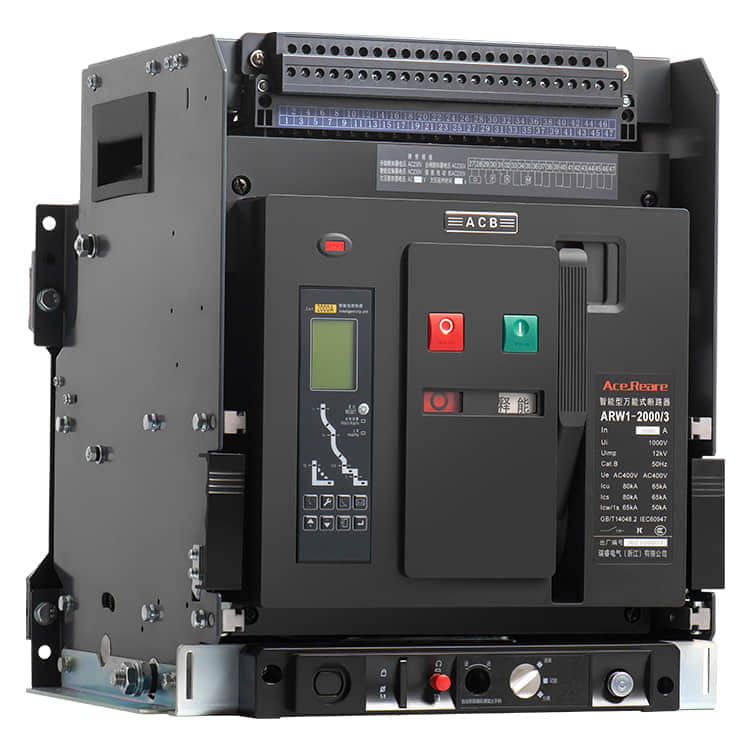
In the realm of electrical engineering, the efficient and reliable distribution of power is of paramount importance. One crucial component that ensures the safety and stability of electrical systems is the Air Circuit Breaker (ACB). Among its variations, the ACB fixed type stands out as a cornerstone for safeguarding modern power networks. This article delves into the features and benefits of the ACB breaker fixed type, shedding light on its significance in maintaining uninterrupted power flow.
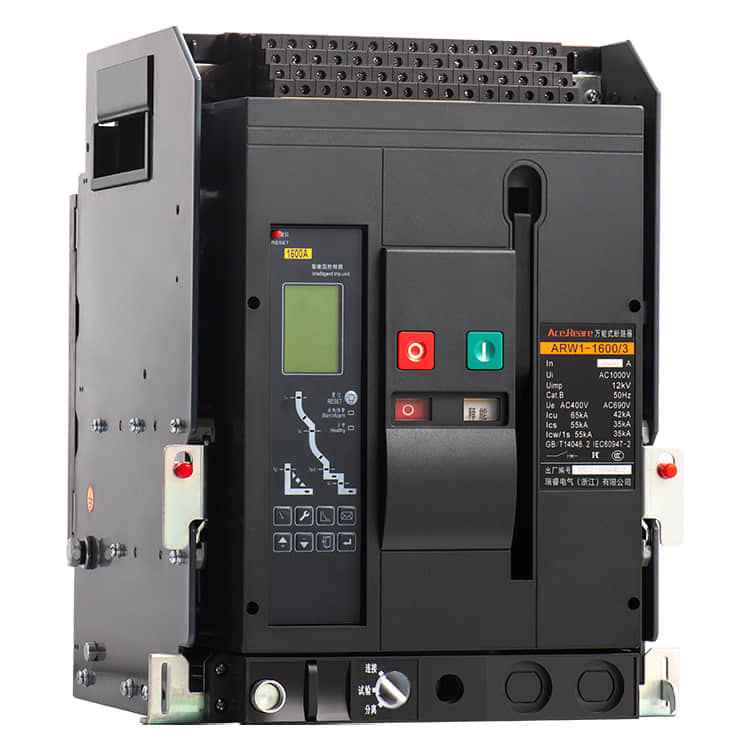
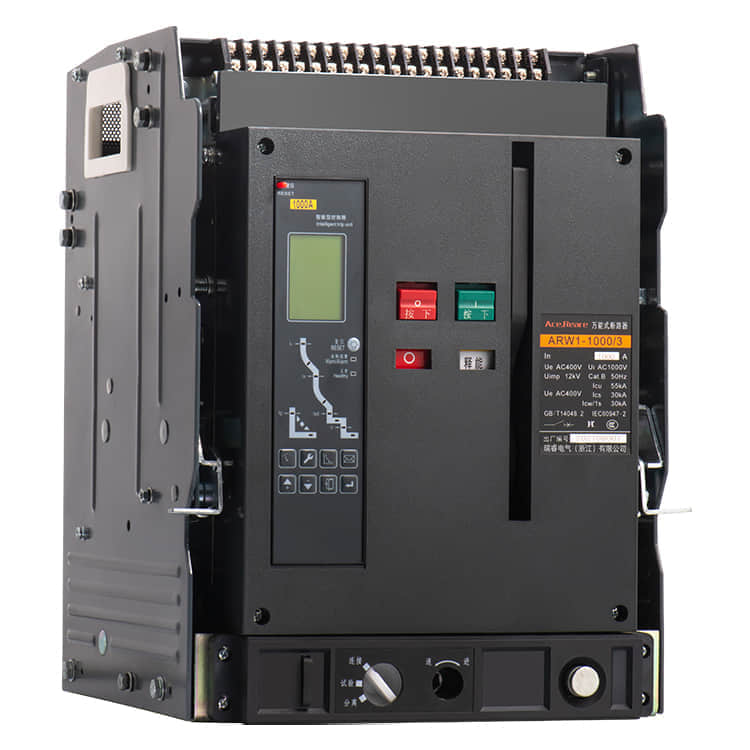
Features of ACB Breaker Fixed Type Robust Construction: ACB breakers of the fixed type are engineered with durability in mind. They are built to withstand high levels of electrical stress, ensuring longevity and consistent performance even in demanding conditions. Compact Design: These breakers are known for their space-saving design, making them ideal for installations where space is limited. Their compactness allows for efficient use of panel space without compromising functionality. Current Rating Variety: ACB breakers come in a range of current ratings, enabling their application in diverse scenarios. This versatility makes them suitable for both low and high-power distribution networks. Tripping Characteristics: The fixed type ACB breakers are equipped with adjustable tripping characteristics, allowing engineers to fine-tune the breaker’s response to different fault conditions. This adaptability enhances the overall protection of the system. Benefits of ACB Breaker Fixed Type Enhanced Safety: The primary function of an ACB breaker is to interrupt the flow of electricity in the event of a fault, preventing damage to the system and potential hazards such as electrical fires. The fixed type ACB ensures swift and reliable tripping, minimizing risks to both personnel and equipment. Reduced Downtime: In cases of a fault, rapid restoration of power is critical. ACB breakers facilitate quick recovery by swiftly isolating faulty sections, thus reducing downtime and maintaining productivity. Remote Control and Monitoring: Modern fixed type ACB breakers often come equipped with remote control and monitoring capabilities. This feature enables engineers to operate the breaker and monitor its status from a centralized location, enhancing convenience and facilitating preventive maintenance. Longevity and Reliability: The robust construction of ACB breakers fixed type contributes to their reliability and extended service life. This reliability translates to fewer maintenance requirements and long-term cost savings. Selective Coordination: ACB breakers allow for selective coordination, which means that only the faulty section is isolated during a fault, leaving the rest of the system operational. This selective approach minimizes disruptions and ensures smoother operation of the entire network. Adaptability to Changing Loads: With adjustable tripping settings, fixed type ACB breakers can be fine-tuned to accommodate changing load conditions. This adaptability optimizes performance and protection, regardless of load fluctuations. Conclusion In the landscape of electrical engineering, the ACB breaker fixed type stands as a pillar of reliability, safety, and efficiency. Its robust construction, compact design, and adjustable features make it an indispensable component in safeguarding electrical systems. By promptly responding to faults, facilitating remote control, and enabling selective coordination, ACB breakers contribute to reduced downtime and increased operational continuity. As technology advances, these breakers continue to evolve, further solidifying their role in the seamless distribution of power in our modern world.