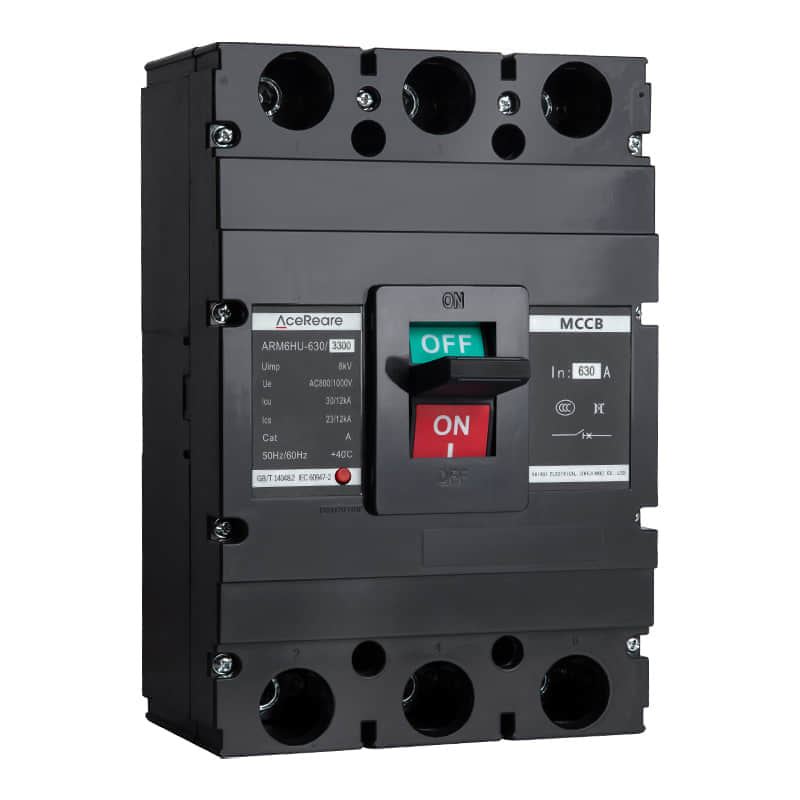
Molded case switches, commonly referred to as MCCBs (Molded Case Circuit Breakers), play a pivotal role in modern electrical systems. These devices combine the functionality of a circuit breaker and a switch, providing essential protection and control for a wide range of electrical applications. In this article, we delve into the features, benefits, and applications of molded case switches.
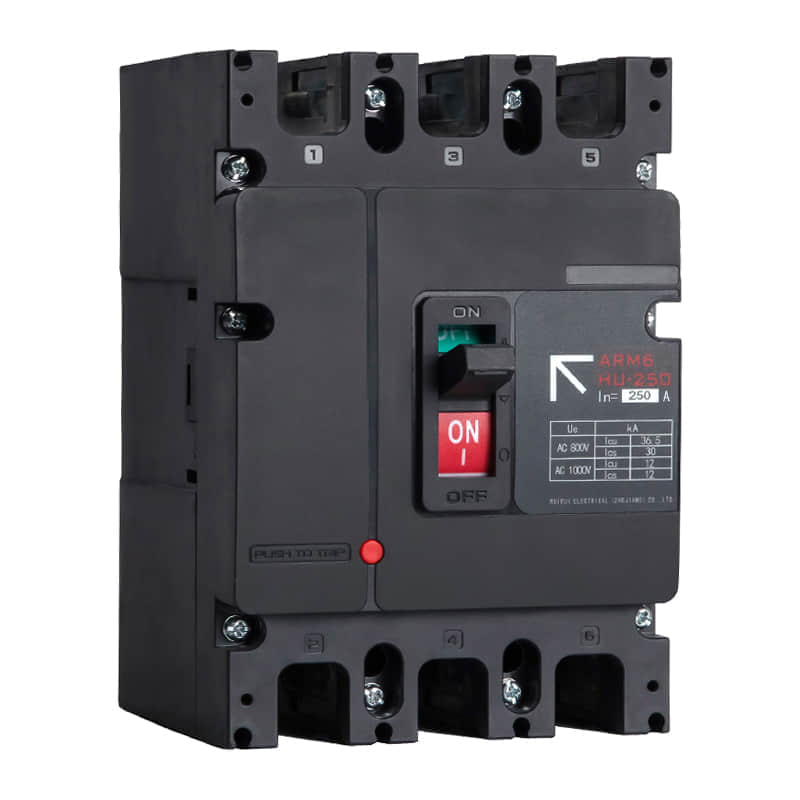
Features and Components
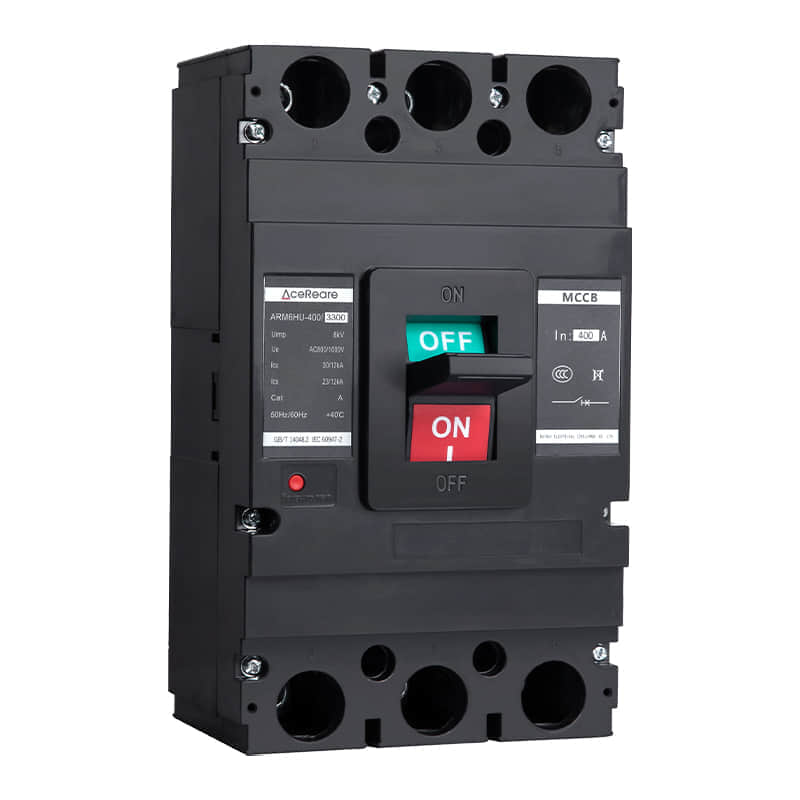
Molded case switches are constructed using a robust and durable molded case, typically made of insulating materials like molded plastics or other composite materials. Within this case, various components come together to form a sophisticated electrical protection and control system. Trip Mechanism:Molded case switches are equipped with a trip mechanism that responds to abnormal conditions in an electrical circuit. This mechanism consists of a thermal element and a magnetic element, both of which sense overload and short-circuit conditions respectively. When an overload or short-circuit occurs, the trip mechanism activates, causing the switch to trip and disconnect the circuit, thereby protecting connected equipment and preventing potential hazards. Contacts:The contacts in a molded case switch are responsible for carrying current when the switch is in the closed position. These contacts are designed to withstand the heat generated during normal current flow. When the switch trips, the contacts open swiftly, interrupting the current flow and isolating the faulty section of the circuit. Adjustable Protection Settings:Many molded case switches come with adjustable protection settings. This allows users to set specific current thresholds for overload and short-circuit protection, ensuring optimal protection tailored to the connected equipment’s requirements. Benefits and Advantages Reliability:Molded case switches are known for their reliability. They are designed to operate in a wide range of operating conditions, from residential environments to industrial settings. Safety:With their ability to quickly disconnect the circuit in case of faults, molded case switches enhance electrical safety, reducing the risk of electrical fires, shocks, and equipment damage. Ease of Use:These switches are user-friendly, often equipped with clear indicators that show their status (on/off/tripped). Additionally, the adjustable protection settings make them adaptable to various applications. Space Efficiency:Molded case switches are compact and require minimal installation space compared to traditional fuses or larger circuit breakers. Applications Residential Buildings:Molded case switches are commonly used in homes to provide circuit protection for lighting, appliances, and outlets. Their compact size and adjustable settings make them a practical choice for residential electrical systems. Commercial Establishments:In commercial settings, molded case switches are used to protect circuits powering lighting, HVAC systems, computers, and more. Industrial Facilities:Industrial applications often involve higher current levels. Molded case switches find application in protecting motors, machinery, and heavy equipment from overloads and short circuits. Renewable Energy Systems:With the growing adoption of solar and wind power systems, molded case switches are crucial for protecting the circuits in these systems from fluctuations and faults. Data Centers:Molded case switches help ensure the continuous and reliable operation of critical data center equipment, preventing downtime due to electrical issues. In conclusion, molded case switches are essential components in modern electrical systems, providing a combination of protection, control, and convenience. Their features, benefits, and diverse applications make them indispensable across various sectors. As technology continues to evolve, molded case switches are likely to remain a cornerstone of electrical safety and efficiency.