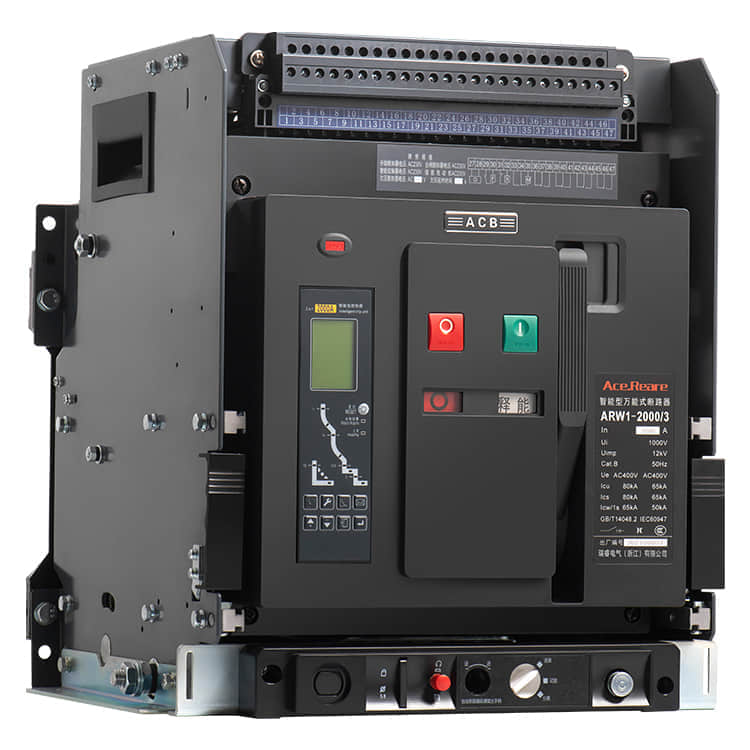
In the realm of electrical systems, circuit breakers play a pivotal role in safeguarding equipment and personnel from potential electrical faults. Among these, the Fixed Type Air Circuit Breaker (ACB) has emerged as a vital component, offering reliability, efficiency, and versatility in various applications. In this article, we delve into the features and applications of Fixed Type ACB Breakers, shedding light on their significance in modern electrical systems.
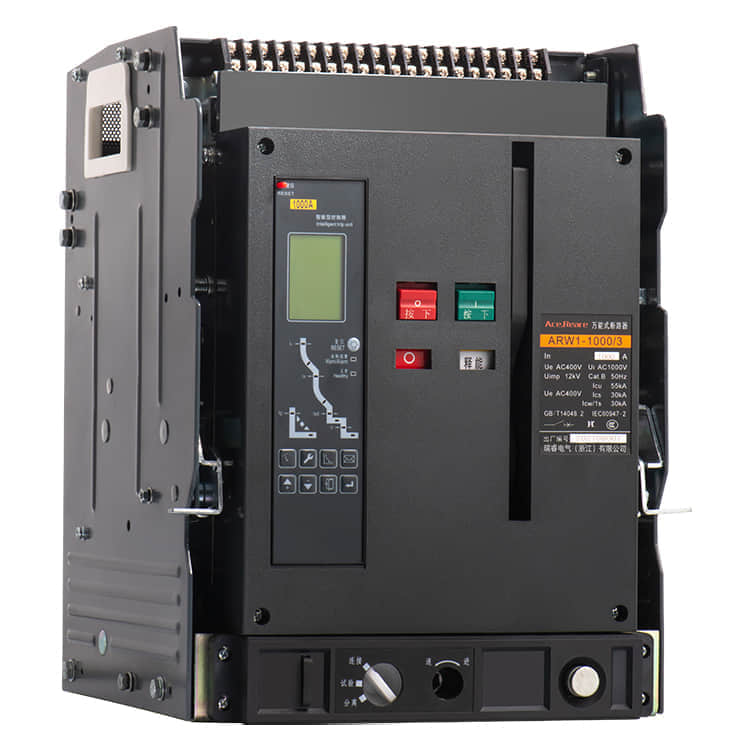
Features of Fixed Type ACB Breakers:
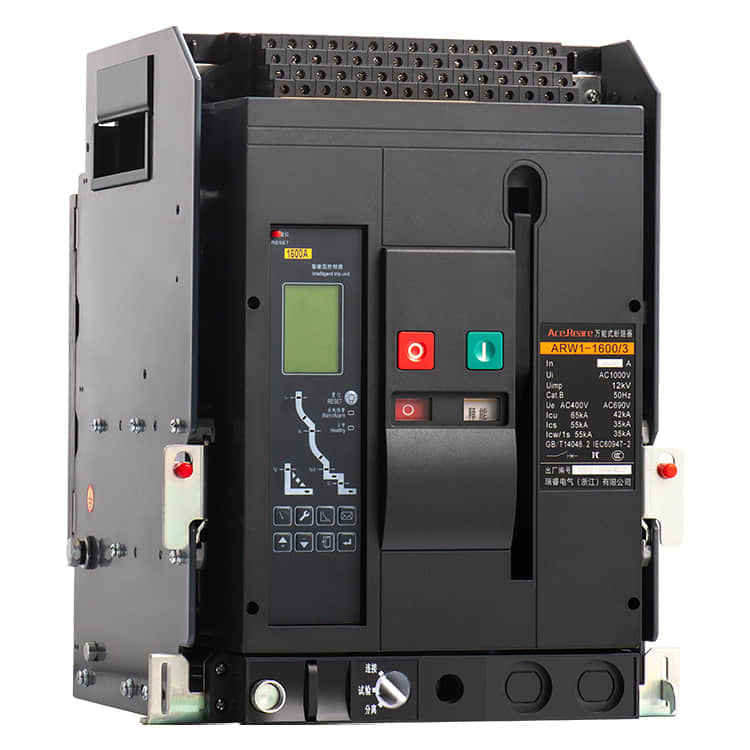
Fixed Type ACB Breakers are renowned for their array of features that contribute to their efficiency and effectiveness. One of their primary attributes is their robust construction, which ensures durability and resistance to environmental factors. The use of high-quality materials not only enhances the breaker’s longevity but also makes it suitable for applications in diverse environments. These breakers also excel in their interrupting capacity. With the ability to handle high short-circuit currents, they effectively mitigate potential electrical faults and ensure the continuity of power supply. Their precise tripping mechanisms guarantee quick response times, minimizing the impact of faults on the connected systems. Furthermore, Fixed Type ACB Breakers often incorporate advanced protection features such as adjustable tripping settings, earth fault protection, and thermal overloading protection. These features not only enhance their versatility but also make them adaptable to various applications, from industrial setups to commercial buildings. Applications of Fixed Type ACB Breakers: The versatility of Fixed Type ACB Breakers lends itself to a wide range of applications across different sectors. Industrial Sector:In manufacturing plants and industrial facilities, ACB Breakers find extensive use due to their high current-carrying capacity and reliable operation. They are employed to protect critical machinery, motors, and other equipment from overcurrent and short-circuit conditions, ensuring uninterrupted production processes. Commercial Buildings:Fixed Type ACB Breakers play a crucial role in safeguarding electrical systems in commercial complexes. From shopping malls to office buildings, these breakers protect lighting, HVAC systems, and essential electronics, preventing electrical hazards and disruptions. Renewable Energy Installations:The renewable energy sector benefits from Fixed Type ACB Breakers’ capabilities in handling high currents. They are utilized in solar and wind power installations, ensuring the safe and efficient operation of inverters, transformers, and other components. Data Centers:Data centers rely heavily on continuous power supply. Fixed Type ACB Breakers provide the necessary protection for uninterruptible power supply (UPS) systems, servers, and networking equipment, minimizing the risk of downtime. Infrastructure Projects:Large infrastructure projects such as airports, railway systems, and hospitals require robust electrical protection. Fixed Type ACB Breakers are integrated into these projects to protect critical infrastructure from electrical faults, contributing to public safety and the reliability of essential services. Conclusion: In the world of electrical engineering, Fixed Type ACB Breakers stand out as indispensable components that ensure the safety, reliability, and efficiency of electrical systems across diverse applications. Their robust construction, high interrupting capacity, and advanced protection features make them a preferred choice for various industries. As technology continues to evolve, Fixed Type ACB Breakers are likely to undergo further enhancements, solidifying their role in the heart of modern electrical systems.