Relay connectors are fundamental components in various electrical and automation systems, enabling smooth and reliable connections between relays and other electrical devices. As electrical systems grow increasingly complex and automated, the need for efficient and secure connections becomes more important. Relay connectors, designed to bridge the electrical gap between relays and circuit boards, are vital in ensuring that electrical signals and power flow without interruption or loss of efficiency.
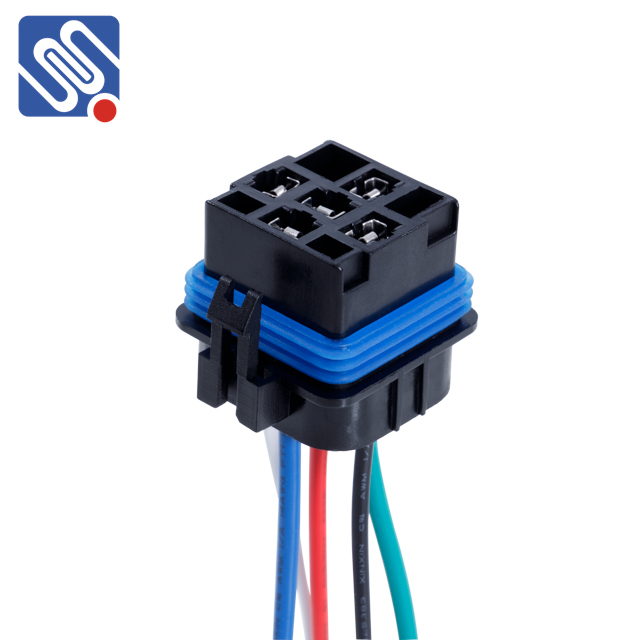
The Function and Importance of Relay Connectors In any electrical or electronic system, a relay serves as an electrically operated switch that allows for the control of large electrical currents with a smaller, low-power signal. Essentially, a relay acts as an intermediary, enabling devices to be controlled remotely or automatically. However, in order for a relay to fulfill its function properly, it must be securely connected to the rest of the system. This is where relay connectors come into play. Relay connectors are designed to establish a safe, stable connection between the relay and other parts of the system. These connectors must handle both low and high voltages and ensure that signals transmitted through the circuit are precise and uninterrupted. As relays often control critical systems, such as motors, HVAC (heating, ventilation, and air conditioning) systems, or automotive circuits, the reliability of relay connectors is crucial in preventing failures, system malfunctions, or safety hazards.