In recent years, advancements in smart home technology have revolutionized the way we manage our living spaces. One such innovation that has gained significant attention is the dual thermostat system. This cutting-edge technology offers a new level of control and efficiency in regulating indoor temperatures, making it an appealing choice for homeowners looking to optimize their comfort and energy usage.
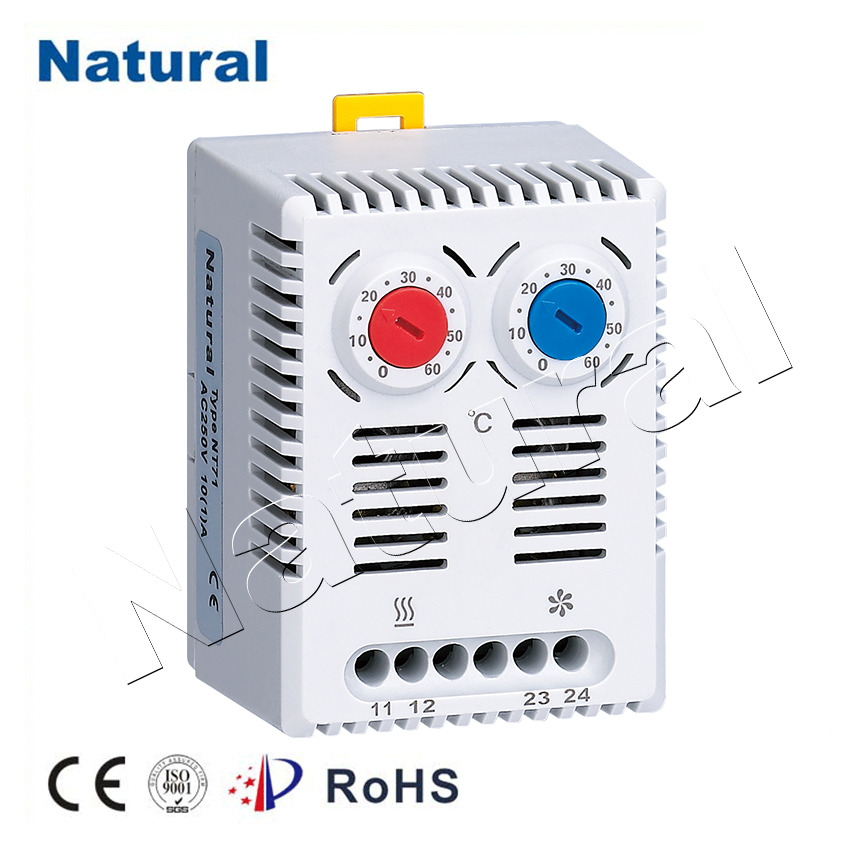
What is a Dual Thermostat? Before delving into the benefits of dual thermostats, let’s clarify what they are. A dual thermostat, as the name suggests, is a two-part system that allows for more precise temperature management in a home. It consists of two separate thermostats—one for heating and one for cooling—working in tandem to maintain a comfortable indoor environment. Enhanced Temperature Precision One of the primary advantages of dual thermostats is their ability to provide enhanced temperature precision. Traditional thermostats often have a single setpoint, meaning they can either heat or cool your home, but not both simultaneously. Dual thermostats, on the other hand, can fine-tune the temperature for each aspect of climate control. This means you can keep the living room comfortably warm while cooling down the kitchen, all at the same time. Energy Efficiency The dual thermostat system can significantly improve energy efficiency in your home. By allowing for individual control of heating and cooling systems, it ensures that energy is not wasted in areas that do not require it. For instance, during transitional seasons, you may need heating in some rooms and cooling in others. Dual thermostats can adapt to these scenarios, preventing unnecessary energy consumption and reducing utility bills. Customized Comfort Dual thermostats empower homeowners to create a customized comfort experience. If you prefer a cooler sleeping environment while keeping the rest of the house warm, a dual thermostat system makes this possible. It enables you to tailor the temperature in each room to suit your specific needs, ensuring that you and your family are comfortable year-round. Smart Home Integration Many dual thermostat systems are compatible with smart home technology, allowing you to control them remotely through smartphone apps or voice-activated virtual assistants. This integration makes it easy to adjust the temperature settings from anywhere, giving you unparalleled convenience and control over your home’s climate. Improved Indoor Air Quality Maintaining a comfortable temperature is not the only benefit of dual thermostats. They can also contribute to improved indoor air quality. By efficiently managing heating and cooling, these systems can help regulate humidity levels, preventing excessive dryness or moisture in the air. This, in turn, can lead to a healthier living environment. Environmental Impact Dual thermostats not only benefit homeowners but also have a positive impact on the environment. The reduced energy consumption resulting from precise temperature control can lower greenhouse gas emissions, helping to mitigate climate change. By investing in this technology, you can contribute to a more sustainable future. Considerations and Installation Before installing a dual thermostat system, it’s essential to assess your home’s heating and cooling needs. Consult with a professional to ensure that your HVAC systems are compatible with this technology. Additionally, proper installation and calibration are crucial to realizing the full potential of dual thermostats. In conclusion, dual thermostats are a promising advancement in home climate control. They offer enhanced temperature precision, energy efficiency, customized comfort, and compatibility with smart home systems. Moreover, they can contribute to improved indoor air quality and have a positive impact on the environment. As smart home technology continues to evolve, dual thermostats are becoming an attractive option for homeowners seeking to optimize their living spaces for comfort, efficiency, and sustainability.