Introduction
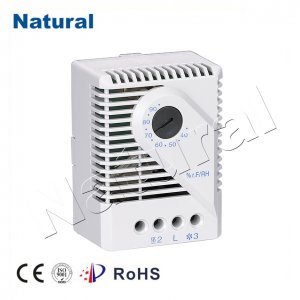
Mechanical temperature switches are vital components in various industrial processes and consumer applications. These devices play a crucial role in maintaining temperature control, triggering actions when a predefined temperature threshold is reached. This article delves into the functionality, benefits, and applications of mechanical temperature switches. Functionality and Components Mechanical temperature switches are designed to respond to changes in temperature by using a bimetallic strip or other temperature-sensitive elements. The bimetallic strip consists of two metal layers with different coefficients of thermal expansion, bonded together. As the temperature rises or falls, the strip bends due to the differing expansion rates of the metals, ultimately activating the switch. This simple yet effective mechanism is at the core of mechanical temperature switches. Benefits of Mechanical Temperature Switches Reliability: Mechanical temperature switches are known for their reliability and durability. Unlike electronic components that might be sensitive to external factors, these switches are robust and can withstand harsh environments. Cost-Effective: Compared to electronic temperature sensors and controllers, mechanical switches are often more cost-effective to manufacture and maintain, making them a preferred choice in applications where precision is not the primary concern. Ease of Use: Mechanical temperature switches are easy to install and require minimal setup. Once the desired temperature threshold is set, the switch will consistently respond to temperature changes without the need for frequent adjustments. Applications Industrial Processes: Mechanical temperature switches are widely used in industrial processes to control the temperature of machinery, prevent overheating, and ensure safe operations. They can trigger cooling systems, ventilation fans, or shut down equipment in case of temperature deviations. HVAC Systems: Heating, ventilation, and air conditioning systems utilize mechanical temperature switches to regulate room temperature. These switches help maintain a comfortable environment by activating heating or cooling systems as needed. Appliances: Many household appliances, such as ovens, refrigerators, and water heaters, incorporate mechanical temperature switches to control their internal temperature and ensure efficient operation. Automotive: Mechanical temperature switches are employed in vehicles to monitor and regulate engine temperature. In case of overheating, the switch can activate warning indicators or even shut down the engine to prevent damage. Safety Devices: Fire safety systems often employ mechanical temperature switches to detect abnormal rises in temperature. When triggered, these switches can activate alarms, sprinkler systems, or other emergency measures. Industrial Alarms: Mechanical temperature switches serve as part of industrial alarm systems that monitor temperature-sensitive processes. If the temperature exceeds safe limits, the switch can activate audible or visual alarms, prompting timely intervention. Conclusion Mechanical temperature switches offer a reliable, cost-effective, and straightforward solution for temperature control and monitoring across various applications. Their durability, ease of use, and ability to function in demanding environments make them indispensable components in industries ranging from manufacturing to consumer electronics. As technology advances, electronic alternatives continue to gain traction, but the enduring appeal of mechanical temperature switches lies in their simplicity, effectiveness, and wide-ranging applicability.