In the fast-evolving landscape of the Internet of Things (IoT), the integration of advanced connectivity features has become imperative for seamless operation and control. Among the notable advancements is the Webhook Enabled IoT Relay, a device that allows users to control various appliances remotely through Webhooks, enhancing home automation and industrial applications alike. In this article, we will explore what a Webhook Enabled IoT Relay is, its core functionalities, potential applications, and consider security implications.
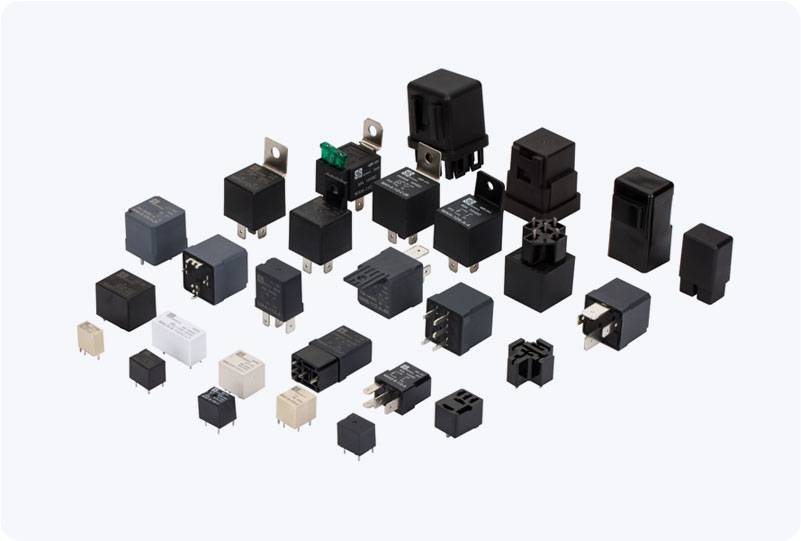
What is a Webhook Enabled IoT Relay? A Webhook Enabled IoT Relay is a network-connected device designed to control physical electrical circuits via an internet connection. It is equipped to respond to HTTP requests received at specific URLs. Users can send commands to the relay to either activate or deactivate connected devices, such as lights, heaters, or any appliance that operates on a switch. The term “Webhook” refers to a user-defined HTTP callback that gets triggered by specific events. When an event occurs, the device performs a predetermined action, which, in the case of an IoT relay, translates to toggling a relay on or off. This innovative approach allows for instantaneous responses, often enhancing user experience and operational efficiency.