The Electric Clamp Butterfly Valve has become an essential component in many industrial systems, particularly those where automation and hygiene are critical. This valve, designed with an electric actuator and a clamp-style connection, offers numerous advantages in terms of ease of installation, reliability, and flexibility. This article explores the structure, working principle, advantages, disadvantages, and key applications of the Electric Clamp Butterfly Valve.
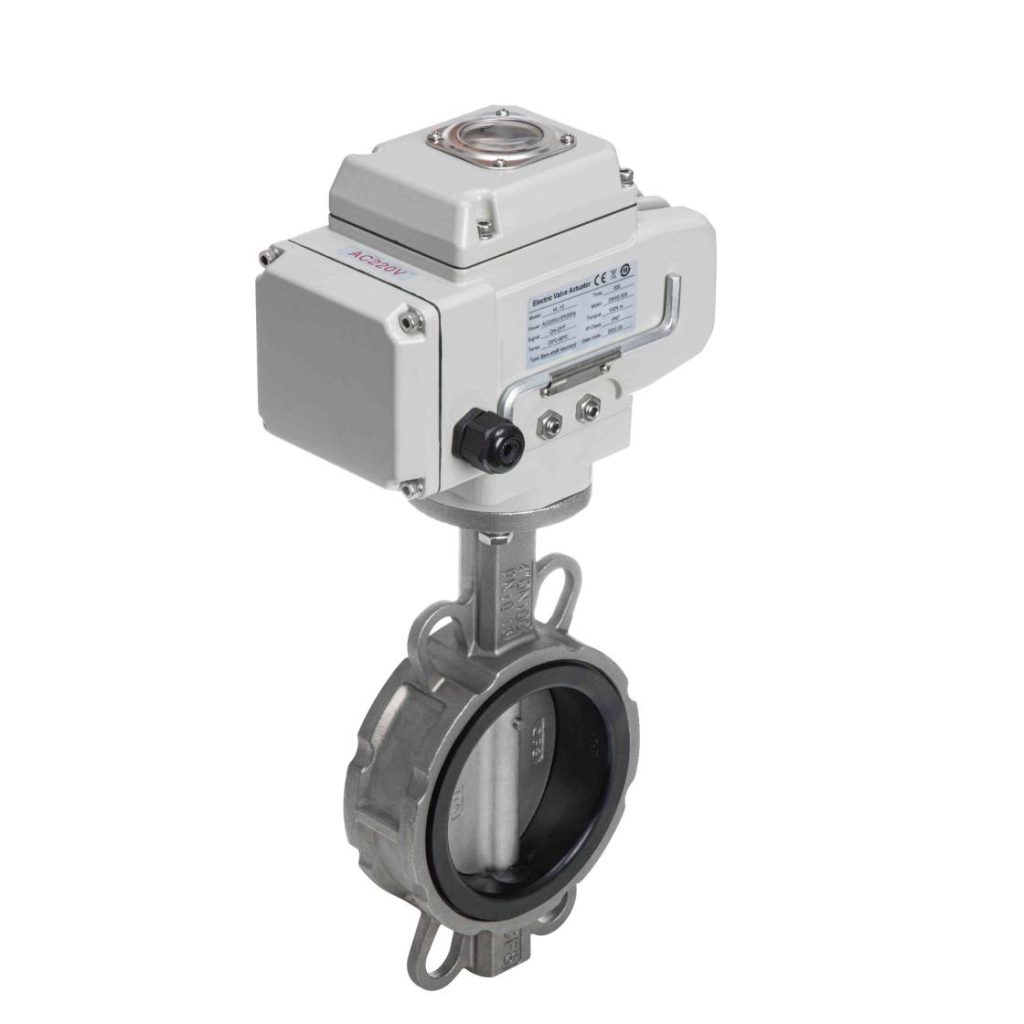
Structure and Design
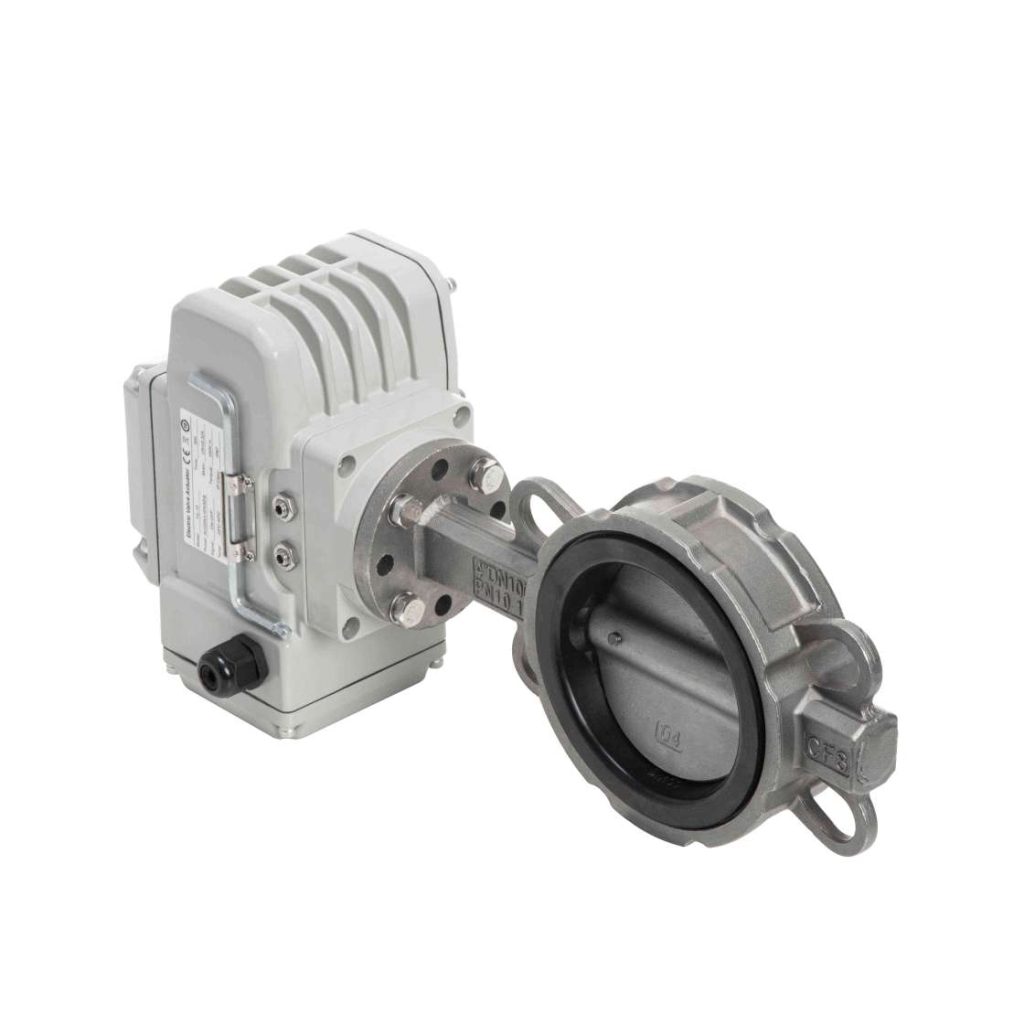
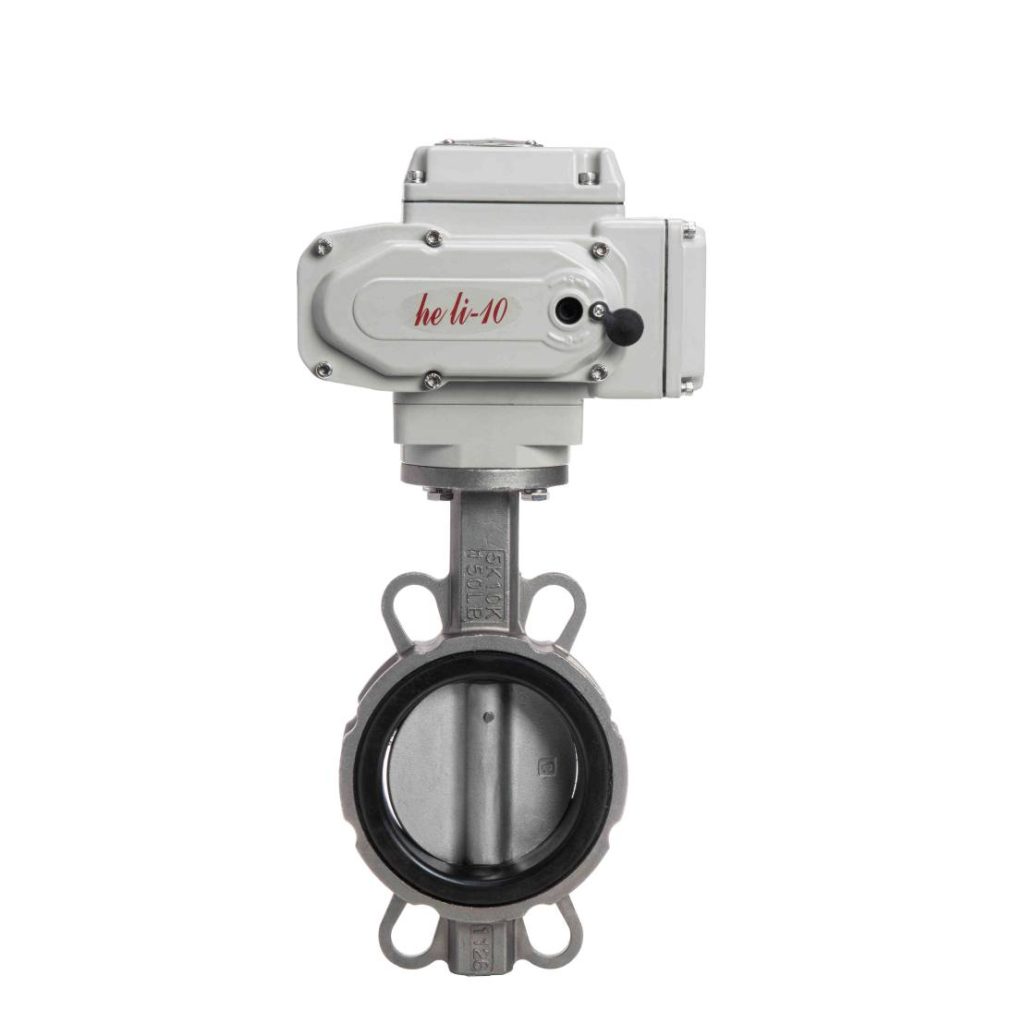
The Electric Clamp Butterfly Valve is a relatively simple device consisting of several key components: the valve body, the butterfly disc, the stem, the electric actuator, and the clamp-style connection. The valve body is typically made from stainless steel or other durable materials, which helps ensure long-lasting performance. The butterfly disc is the primary moving part, responsible for regulating the flow of fluid through the valve by rotating between open and closed positions. The stem connects the butterfly disc to the electric actuator, allowing for smooth and controlled movement. The electric actuator is powered by electricity, which rotates the stem and butterfly disc. This actuator is capable of fully opening or closing the valve based on electronic control signals, allowing for easy and precise control of fluid flow.
Leave a Reply