In various industries, the efficient control of fluid flow is crucial for optimal performance and safety. One of the tools that have gained popularity in this regard is the PP solenoid valve. Constructed from polypropylene (PP), these valves exhibit unique features that make them suitable for a wide array of applications, particularly in environments where corrosive substances are prevalent. This article delves into the advantages, operation, and applications of PP solenoid valves, highlighting their significance in modern fluid control systems.
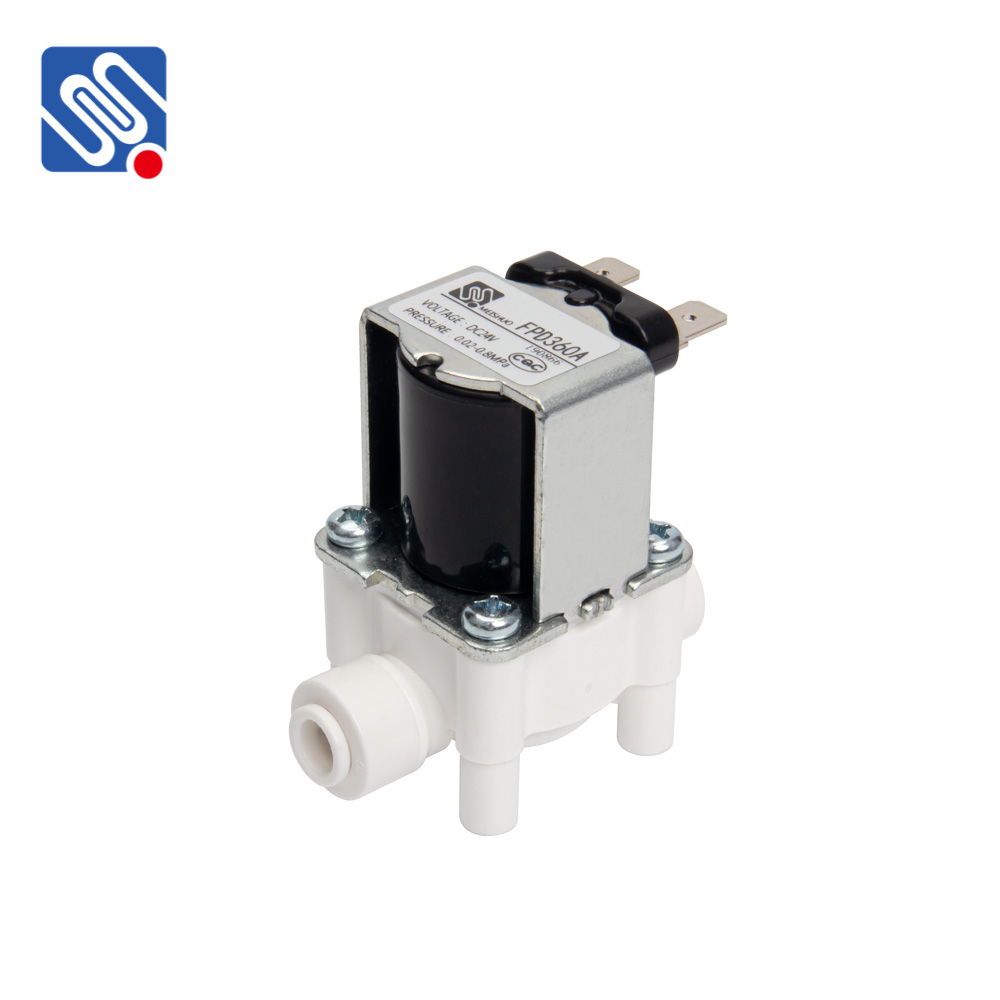
What is a PP Solenoid Valve? A PP solenoid valve is an automated device that uses electromagnetic force to control the flow of liquids or gases. The valve comprises a solenoid coil, a plunger, and a valve body made from polypropylene. When electrical current applies to the coil, it generates a magnetic field that moves the plunger, thereby opening or closing the flow path. This swift actuation allows for rapid response times, which are essential in many industrial processes. Advantages of PP Solenoid Valves Corrosion Resistance: One of the most significant benefits of PP solenoid valves is their inherent resistance to corrosion. Polypropylene is known for its durability and ability to withstand harsh chemicals, making it ideal for industries dealing with acids, alkalis, and other aggressive fluids. This characteristic not only extends the life of the valve but also ensures consistent and efficient operation.
Leave a Reply