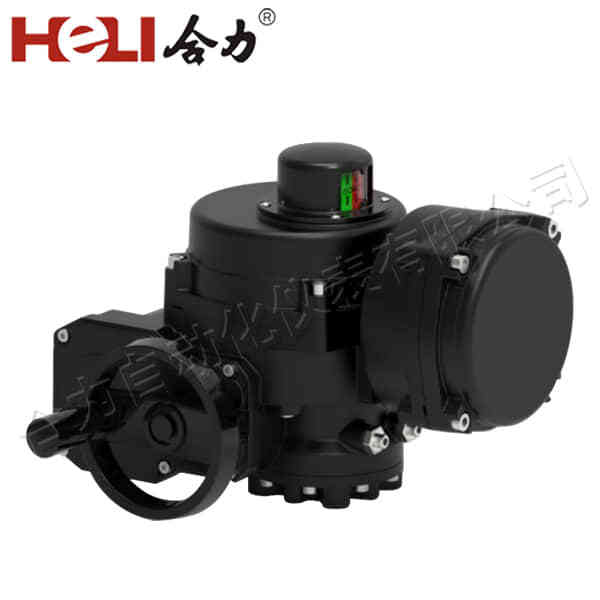
Electric actuator valves are integral components in modern industrial automation systems, offering precise control and reliability for regulating fluid and gas flow in various applications. These valves combine the efficiency of electric motors with the versatility of valve technologies to enhance operational capabilities across diverse industries, including water treatment, oil and gas, HVAC systems, and more. This article explores the structure, working principle, advantages, and applications of electric actuator valves, highlighting their significance in automation and control systems.
Structure and Working Principle
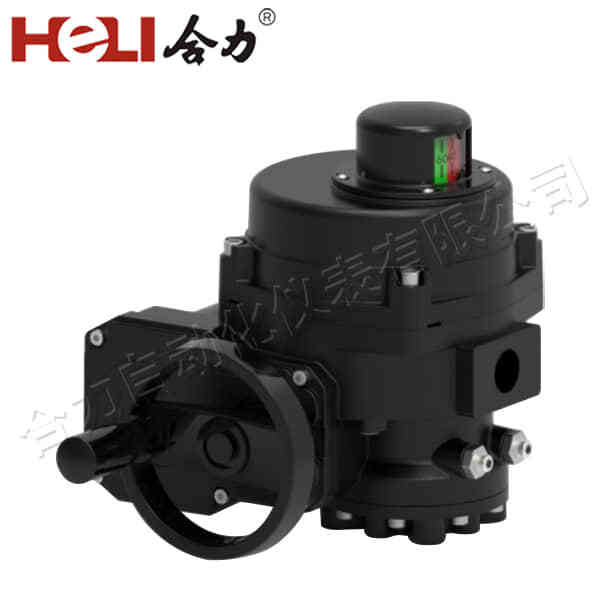
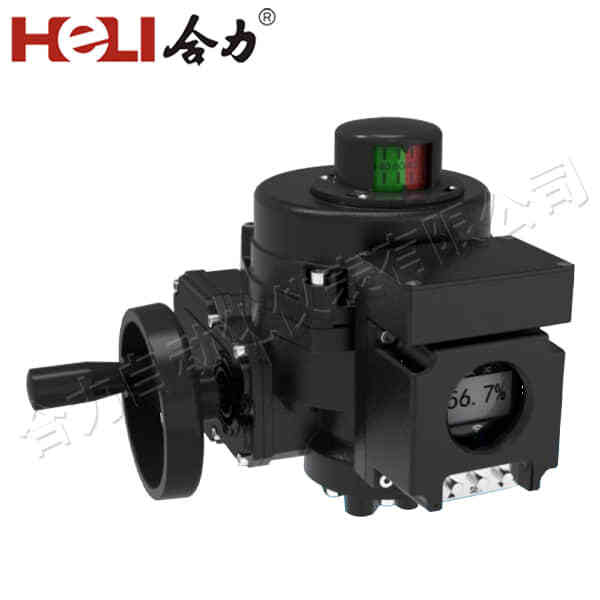
An electric actuator valve typically consists of two main parts: the electric actuator and the valve. The electric actuator is powered by an electric motor, which is responsible for driving the valve mechanism. The valve, on the other hand, could be a ball valve, butterfly valve, gate valve, or globe valve, depending on the specific application. The electric actuator receives an electrical input signal (usually 4-20mA, 0-10V, or digital signals) from a control system. Based on this signal, the actuator adjusts the valve’s position to either open, close, or regulate the flow rate. The movement of the actuator is typically rotary (in the case of ball or butterfly valves) or linear (in the case of gate or globe valves), and this movement is translated to the valve to modulate the flow of fluids or gases.