Introduction
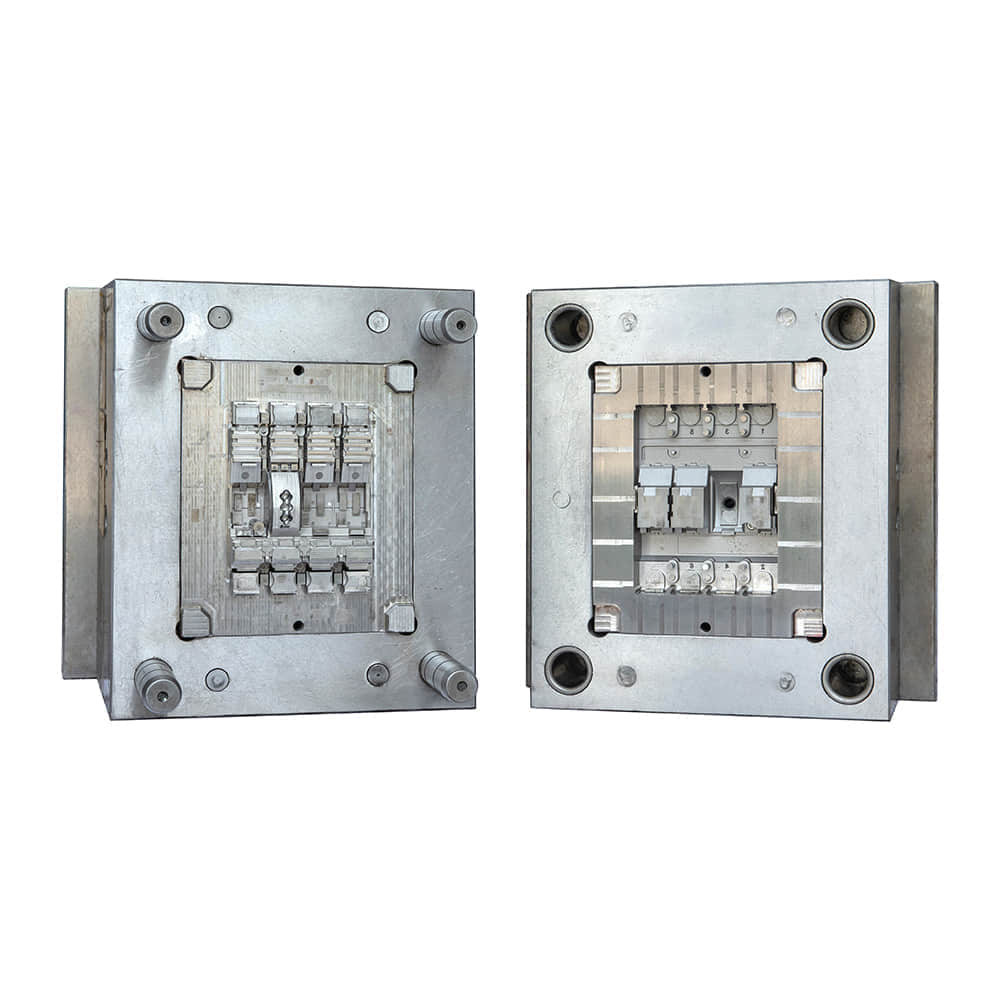
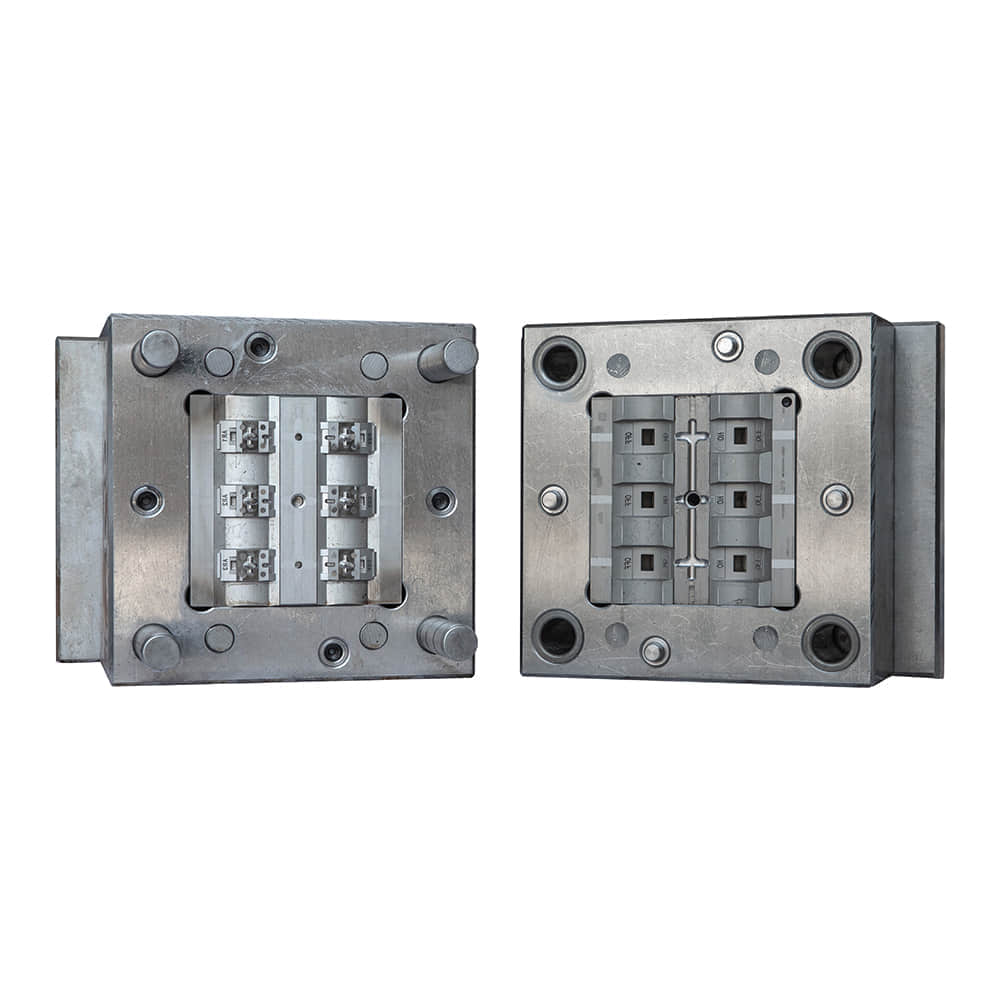
In the realm of manufacturing, thermoplastic injection molds have emerged as a revolutionary technology, revolutionizing the way products are designed, produced, and delivered. This article delves into the world of thermoplastic injection molds, highlighting their key advantages and the impact they’ve had on various industries.
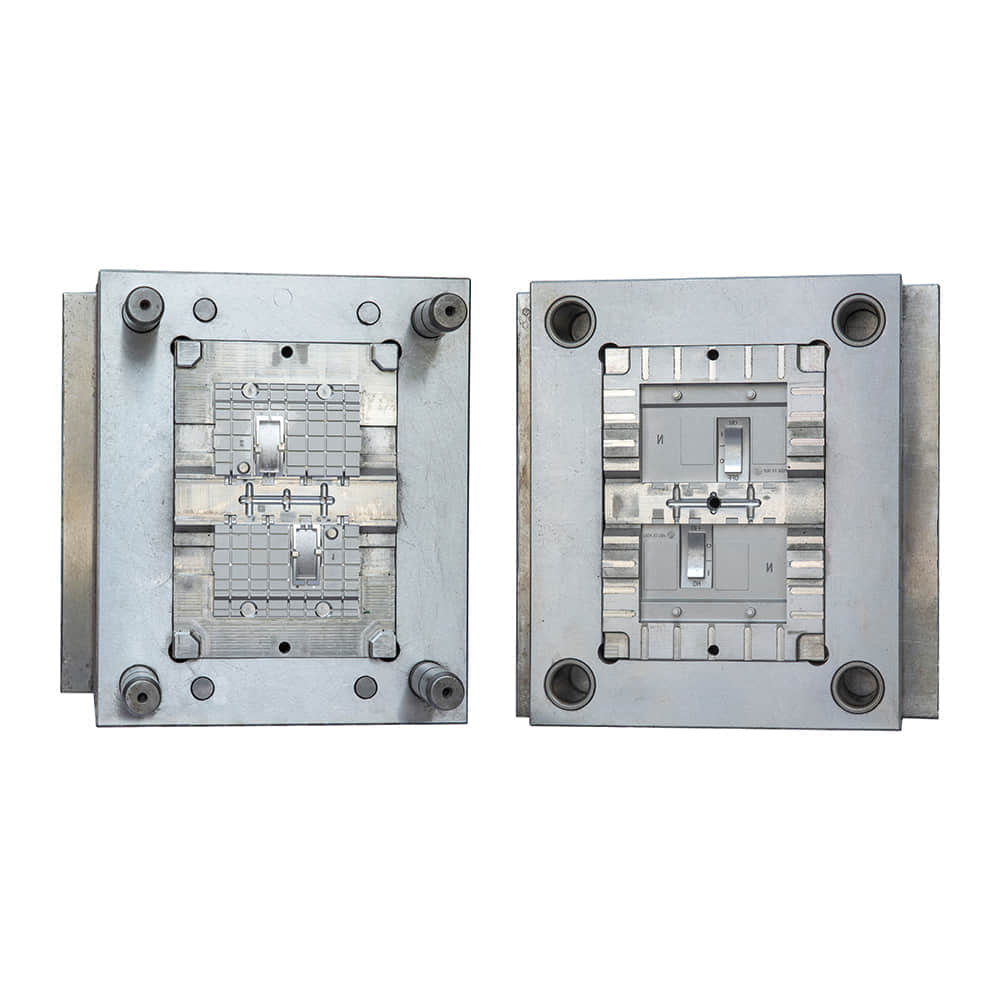
Advantages of Thermoplastic Injection Molds Precision and Consistency: Thermoplastic injection molds are renowned for their ability to create intricate and complex designs with exceptional precision. The molds ensure consistent product quality across each unit, reducing defects and enhancing customer satisfaction. This level of accuracy is particularly critical in industries such as medical devices, aerospace, and electronics. Fast and Efficient Production: Time efficiency is a hallmark of thermoplastic injection molding. The process allows for high-volume production within a remarkably short period. The quick cycle times, coupled with rapid cooling and ejection, result in a streamlined manufacturing process that caters to industries with tight production schedules. Wide Material Variety: Thermoplastic injection molds are compatible with a diverse range of materials, from commodity plastics to engineering-grade polymers. This versatility enables manufacturers to select the ideal material for each product, considering factors like strength, durability, chemical resistance, and more. Cost-Effectiveness: The cost-effectiveness of thermoplastic injection molds lies in their ability to minimize material waste and reduce post-production processing. The high repeatability of the process minimizes the need for excessive rework, contributing to overall cost savings in the long run. Design Flexibility: Manufacturers appreciate the design flexibility that thermoplastic injection molds offer. Complex shapes, undercuts, and intricate features can be achieved seamlessly, granting designers the freedom to innovate without compromising on functionality. Environmental Sustainability: With the growing emphasis on sustainability, thermoplastic injection molds stand out for their minimal environmental impact. The reduction in material waste, coupled with the potential for recycling, aligns with eco-friendly manufacturing practices. Reduced Labor Dependency: Automation plays a significant role in thermoplastic injection molding. This not only reduces the dependency on manual labor but also enhances workplace safety by minimizing the risks associated with repetitive tasks. Surface Finish and Detail: Thermoplastic injection molds yield products with excellent surface finishes and intricate details. This makes them a preferred choice for industries where aesthetics and appearance hold substantial importance. Impact on Various Industries Automotive Industry: Thermoplastic injection molds have transformed the automotive sector by enabling the production of lightweight, yet strong, components. This contributes to improved fuel efficiency and overall vehicle performance. Medical Devices: The precision and biocompatibility of thermoplastic injection molded parts have revolutionized the medical field. From intricate surgical instruments to implantable devices, these molds have raised the bar for accuracy and patient safety. Consumer Electronics: In the fast-paced world of electronics, thermoplastic injection molds have facilitated the production of sleek, ergonomic, and durable devices. Their design flexibility accommodates the evolving demands of this industry. Conclusion Thermoplastic injection molds have undeniably reshaped modern manufacturing. Their advantages extend beyond mere production efficiency, influencing product quality, design innovation, and environmental responsibility. As technology continues to advance, these molds will likely play an increasingly pivotal role in industries seeking to meet the demands of a dynamic and competitive market.