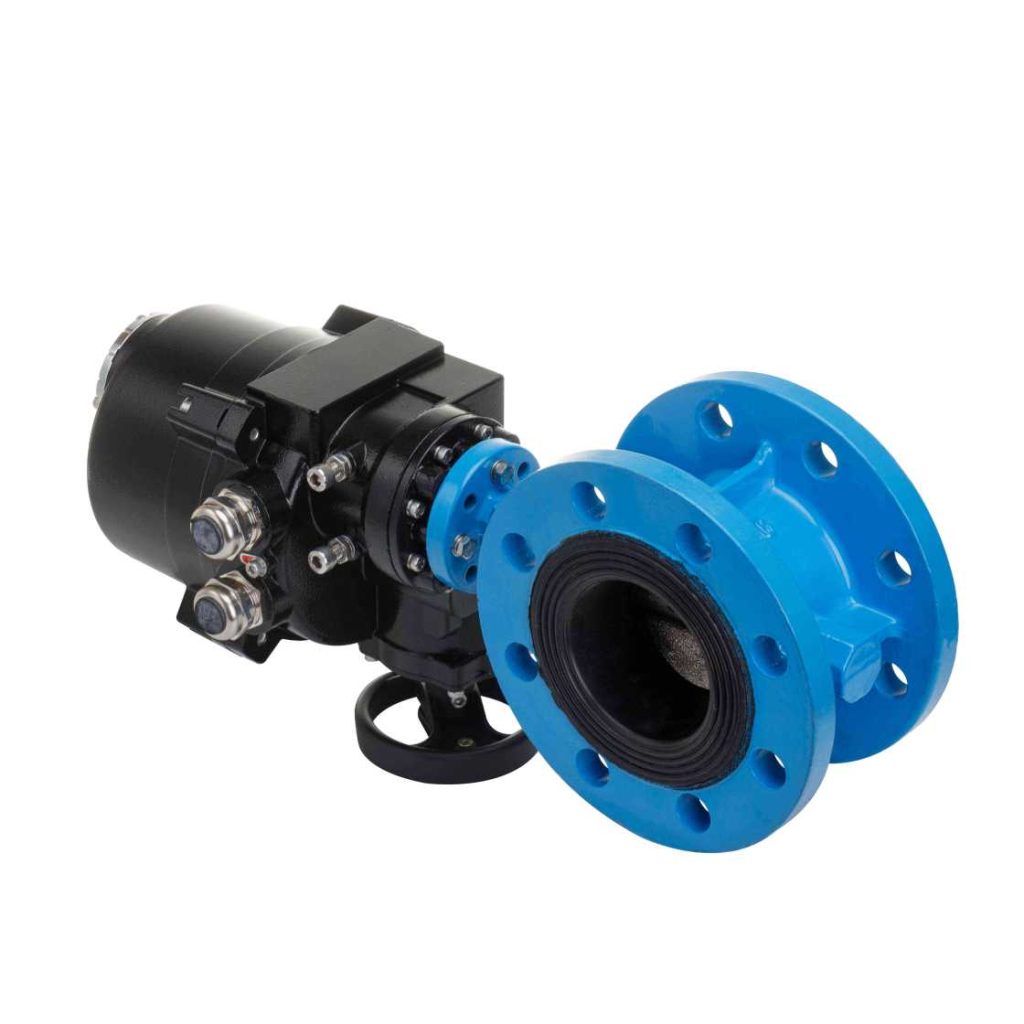
The stainless steel electric flanged butterfly valve has emerged as a vital component in various industrial applications, providing efficient control of fluid flow in pipelines. With a design that combines both functionality and durability, these valves are particularly well-suited for a range of environments, including water treatment, chemical processing, and HVAC systems. This article delves into the key features, benefits, and considerations associated with stainless steel electric flanged butterfly valves.
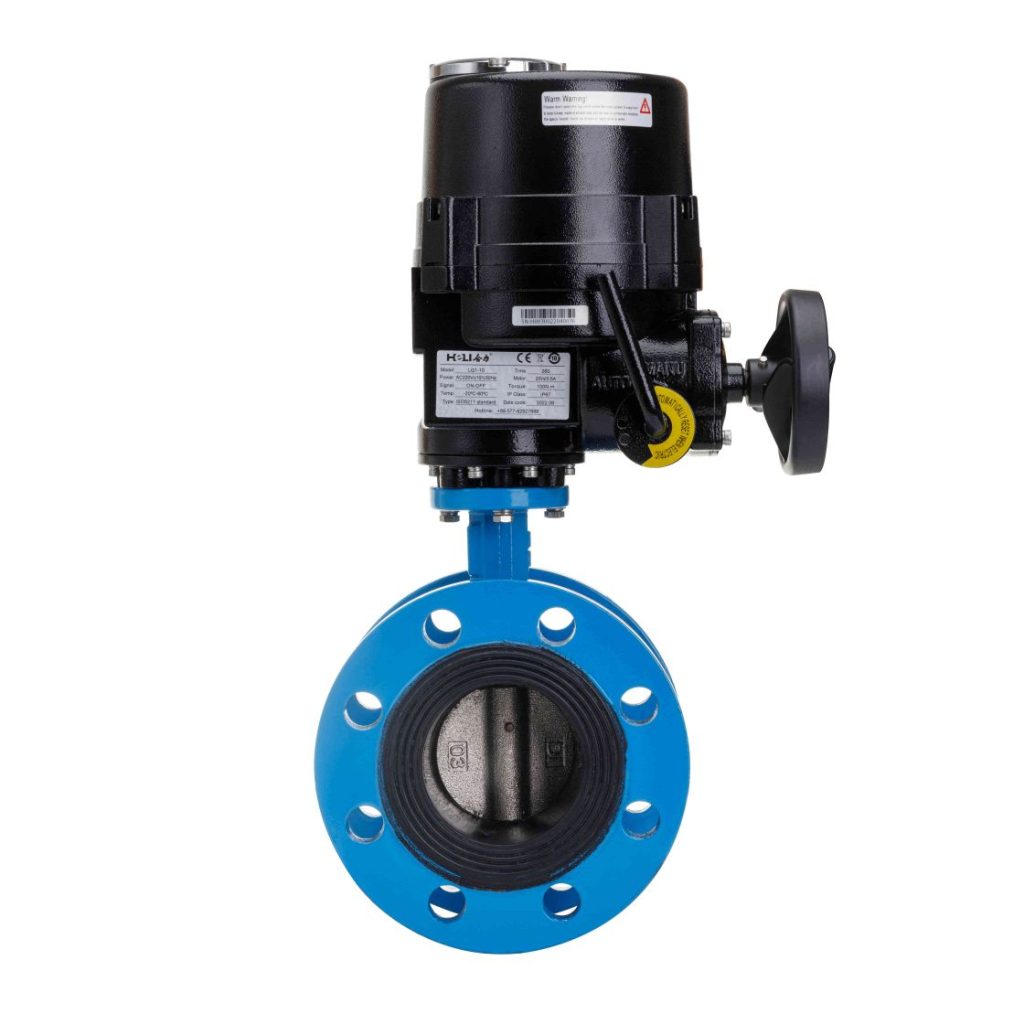
Structure and Design
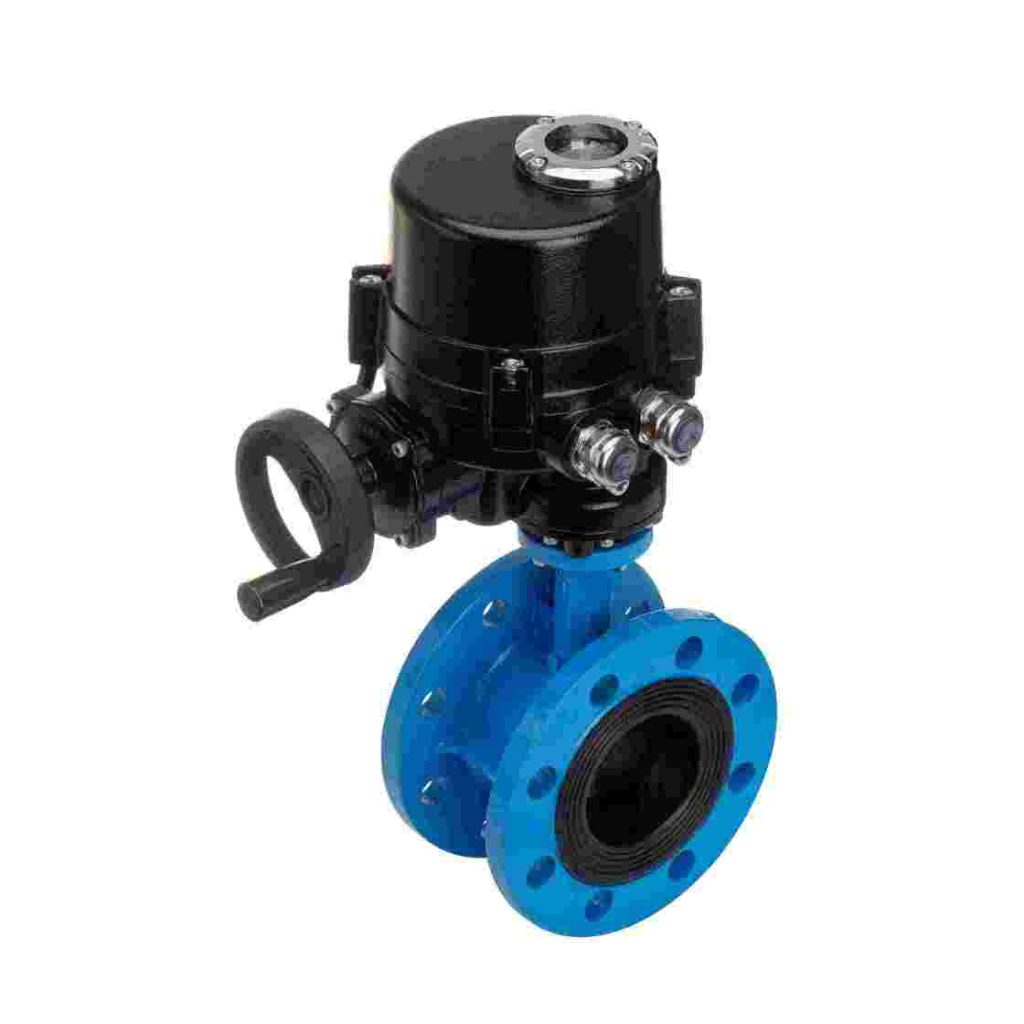
Stainless steel, particularly grades such as 304 and 316, is widely used in the construction of electric flanged butterfly valves. This choice of material offers excellent resistance to corrosion, making it highly suitable for environments where exposure to moisture and chemicals is common. The flanged design allows for easy integration into existing pipeline systems, providing a secure and leak-proof connection. The fundamental working mechanism of a butterfly valve involves a rotating disk or ‘butterfly’ that is mounted on a shaft. When the valve is open, the disk rotates away from the flow, allowing fluids to pass through with minimal resistance. Conversely, when closed, the disk obstructs the flow completely. This simple yet effective design enables quick operation, with valves typically transitioning from open to closed positions in just a few seconds.