Introduction
In the ever-evolving landscape of manufacturing, innovative techniques play a pivotal role in shaping industries. Sheet Molding Compound (SMC) molding stands as a prime example of a revolutionary method that has transformed the way we approach product design and fabrication. This article delves into the world of SMC molding, shedding light on its benefits and applications in contemporary manufacturing processes.
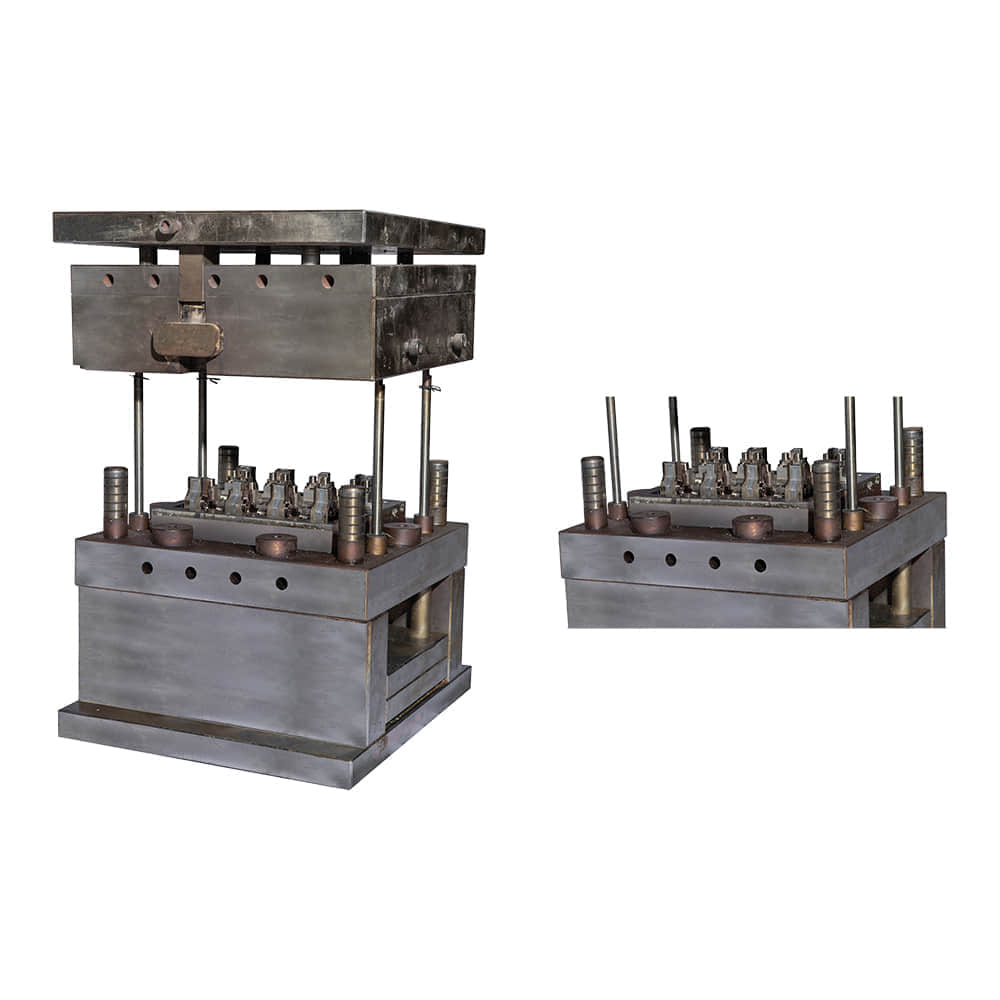
A Glimpse into SMC Molding Sheet Molding Compound (SMC) molding is a composite manufacturing process that combines thermosetting resins, reinforcement fibers, and various additives into a sheet form. This mixture is then subjected to heat and pressure within a mold to create complex and durable parts. SMC molding is a versatile technique capable of producing high-quality components for a wide range of industries, including automotive, aerospace, construction, and consumer goods. Advantages of SMC Molding Design Flexibility: SMC molding allows for intricate and detailed designs that traditional metal fabrication methods struggle to achieve. The moldability of SMC enables the production of complex geometries, helping engineers and designers turn their innovative ideas into reality. Weight Reduction: Compared to traditional metal components, SMC-molded parts exhibit a remarkable weight reduction while retaining their structural integrity. This advantage contributes to improved fuel efficiency in automobiles and enhanced maneuverability in aerospace applications. Corrosion Resistance: SMC materials are inherently resistant to corrosion, making them particularly suitable for outdoor and harsh environments. This characteristic extends the lifespan of products, reducing maintenance costs and enhancing overall durability. Vibration Damping: SMC components possess inherent vibration-damping properties due to the viscoelastic nature of the composite. This property is especially valuable in applications where vibration control is crucial, such as in machinery and equipment manufacturing. Short Cycle Times: The SMC molding process involves rapid curing of the thermosetting resin, leading to shorter cycle times compared to other composite manufacturing methods. This efficiency contributes to increased production rates and reduced energy consumption. Excellent Surface Finish: SMC-molded parts emerge from the mold with a high-quality surface finish, eliminating the need for additional finishing processes. This not only saves time but also ensures consistent and aesthetically pleasing end products. Applications of SMC Molding Automotive Industry: SMC molding finds extensive use in the automotive sector for manufacturing exterior body panels, structural components, and interior parts. The combination of lightweight design and durability aligns with the industry’s pursuit of more efficient and eco-friendly vehicles. Construction Sector: In construction, SMC-molded products such as cladding panels, roofing components, and utility enclosures offer a balance between aesthetics and functionality. The corrosion-resistant properties of SMC make it a reliable choice for architectural applications. Aerospace and Aviation: The aerospace industry benefits from SMC molding by creating lightweight yet robust parts for aircraft interiors, engine components, and exterior surfaces. The weight reduction contributes to lower fuel consumption and operational costs. Renewable Energy: SMC-molded parts play a role in renewable energy systems, such as manufacturing components for wind turbine blades and solar panel frames. The corrosion resistance and high strength-to-weight ratio align well with the demands of these applications. Conclusion Sheet Molding Compound (SMC) molding stands as a testament to the continuous innovation in modern manufacturing. Its unique blend of design flexibility, lightweight characteristics, corrosion resistance, and rapid production cycle positions it as a game-changer across various industries. As technology advances and composite materials evolve, SMC molding is likely to further expand its applications, contributing to more sustainable, efficient, and durable products in the future.