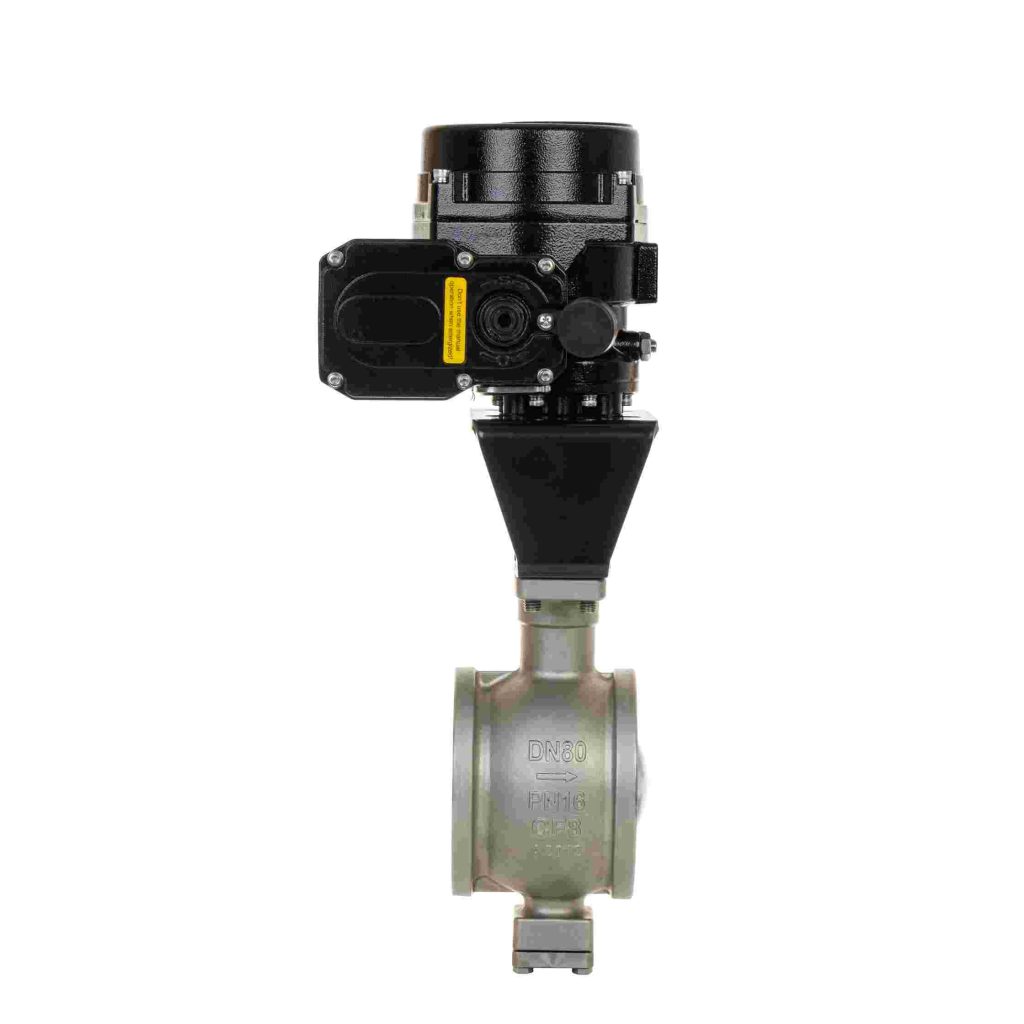
In recent years, hydrogen has emerged as a pivotal player in the global shift towards renewable energy sources. Utilizing hydrogen as an energy carrier not only promotes sustainability but also reduces dependency on fossil fuels. As industries explore effective ways to manage hydrogen, components such as the Hydrogen Energy Electric V-Ball Valve have gained significant attention. This article delves into the design, functionality, advantages, and applications of Hydrogen Energy Electric V-Ball Valves in the context of hydrogen energy systems.
Understanding the Design and Functionality
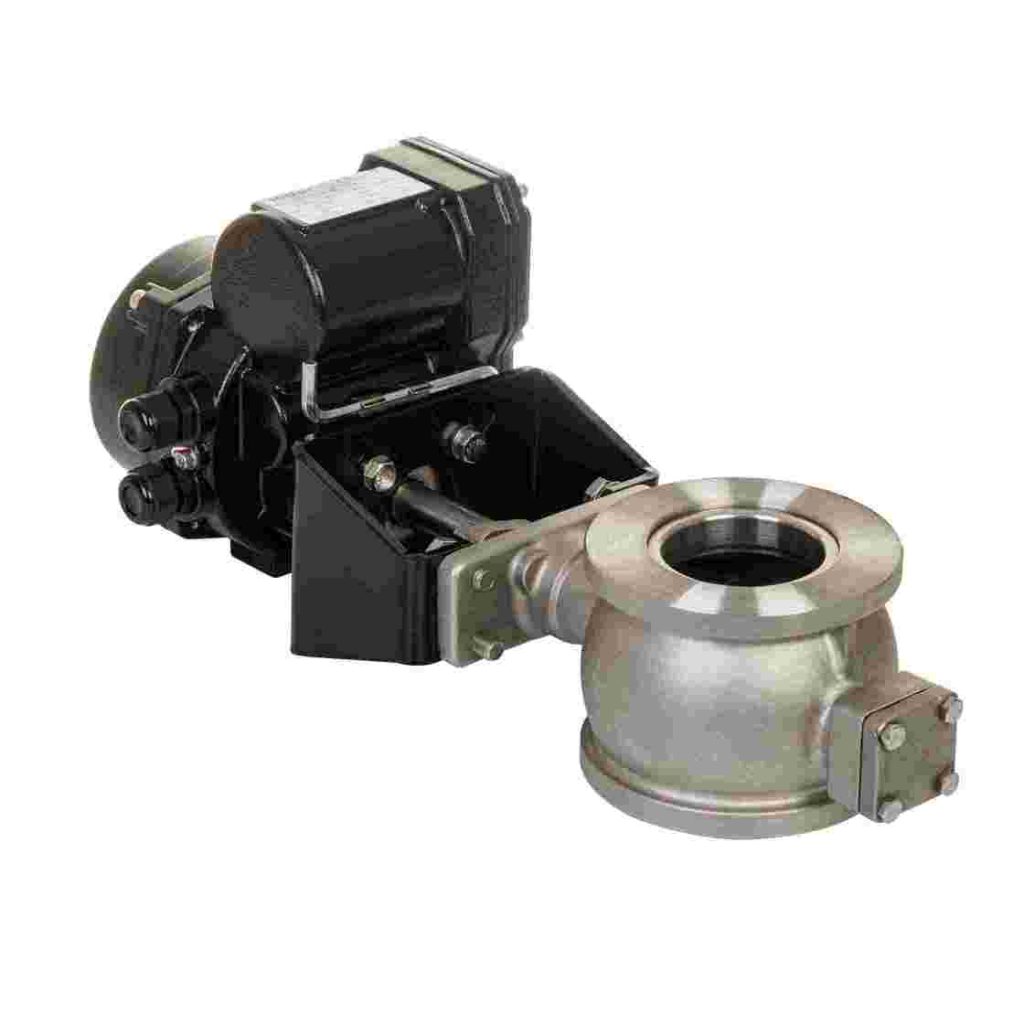
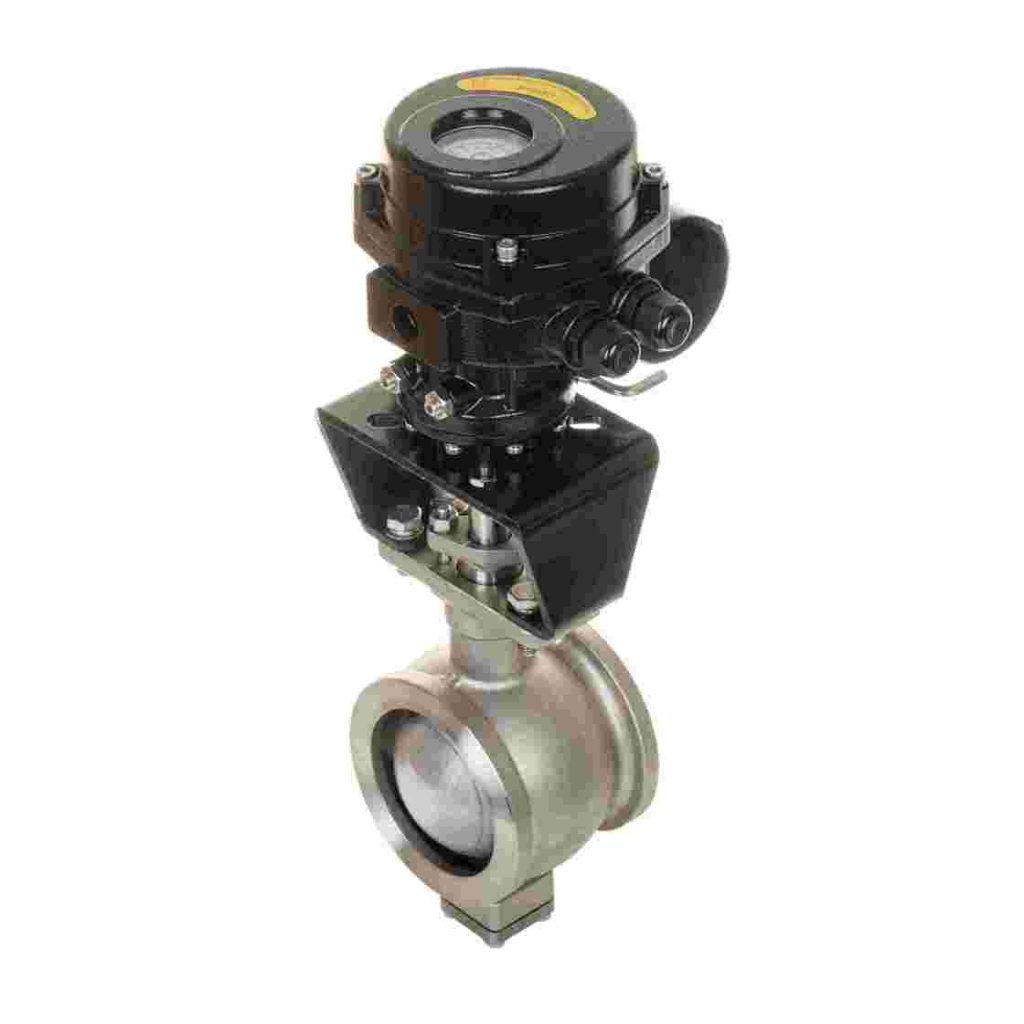
The Hydrogen Energy Electric V-Ball Valve is a sophisticated mechanical device engineered primarily for controlling the flow of hydrogen gas in various applications. This valve consists of a spherical component with a V-shaped notch, which allows for precise regulation of fluid flow. When the valve rotates, the fluid’s passage is either opened or restricted, enabling fine control over the flow rate. Equipped with an electric actuator, this valve can be operated automatically or remotely, which aligns perfectly with the demands of modern automated industrial processes. The actuator can be powered by various types of motors, including DC and AC types, offering quick and accurate responses to control signals. This feature is particularly beneficial in complex systems where real-time adjustments are necessary.