A DC Solenoid Valve is an essential component in various systems requiring fluid control, ranging from industrial automation to household appliances. Powered by a direct current (DC) electrical source, this type of valve uses electromagnetic force to control the opening and closing of fluid pathways. Its ability to respond quickly to electrical signals makes it a crucial device in any application where precise control over fluid flow is necessary. In this article, we will explore the operation, advantages, applications, and common uses of DC Solenoid Valves.
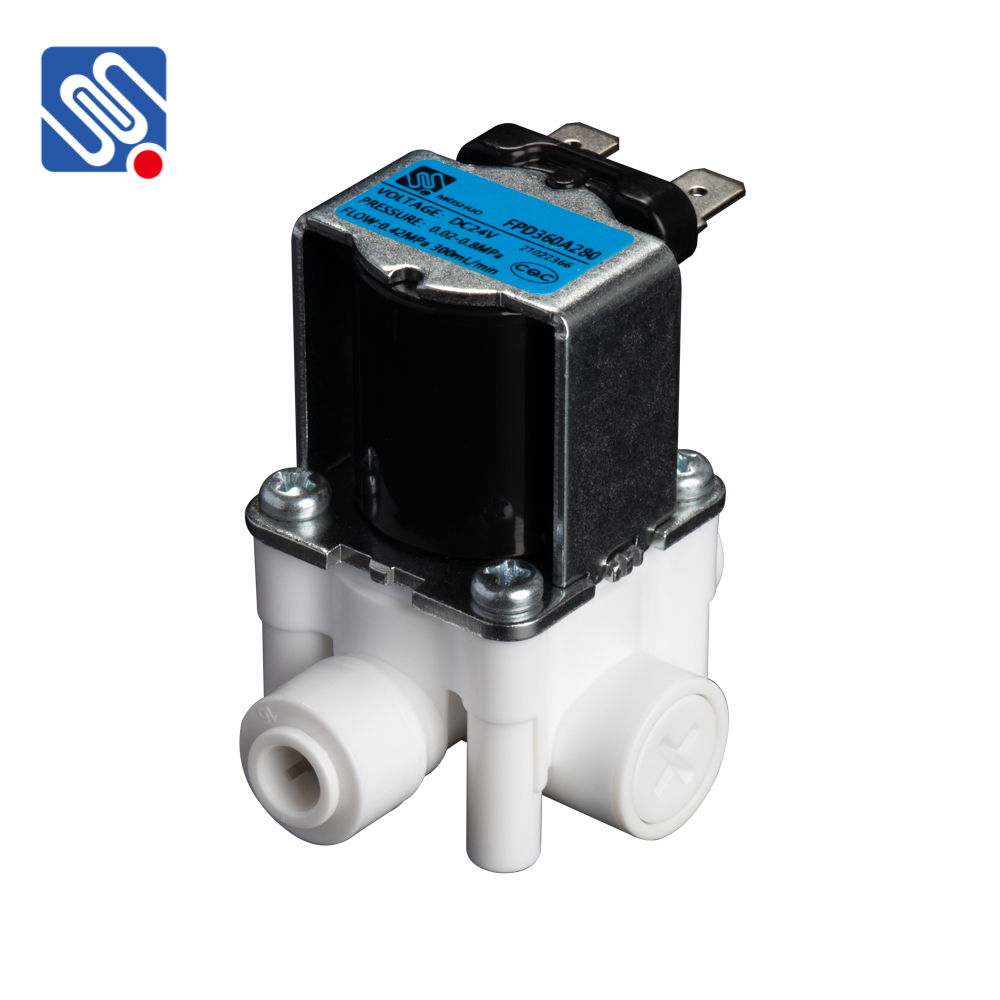
What is a DC Solenoid Valve? A DC Solenoid Valve is an electromechanical device used to control the flow of liquids or gases. It operates by using a DC electric current to activate an electromagnetic coil, which generates a magnetic field that moves a plunger or valve core. The movement of this plunger either opens or closes the valve, controlling the passage of fluid through a pipe or conduit. The valve can be in either an open or closed state depending on the electric current supplied to the solenoid. How Does a DC Solenoid Valve Work? The basic working principle of a DC Solenoid Valve is simple yet effective. When a DC electric current is applied to the solenoid, it creates a magnetic field around the coil. This magnetic field pulls or pushes a ferromagnetic plunger, which in turn moves the valve’s internal components, opening or closing the fluid pathway. The movement can be either linear or rotary, depending on the design of the valve. When the current is turned off, the magnetic field collapses, and a spring or other mechanical force returns the valve to its original position, thus either reopening or closing the valve again.