Introduction
In the realm of manufacturing, thermosetting compression moulding stands as a groundbreaking technique that has revolutionized the production of a wide range of products. This article delves into the intricacies and advancements of thermosetting compression moulding, shedding light on its applications, benefits, and contributions to various industries.
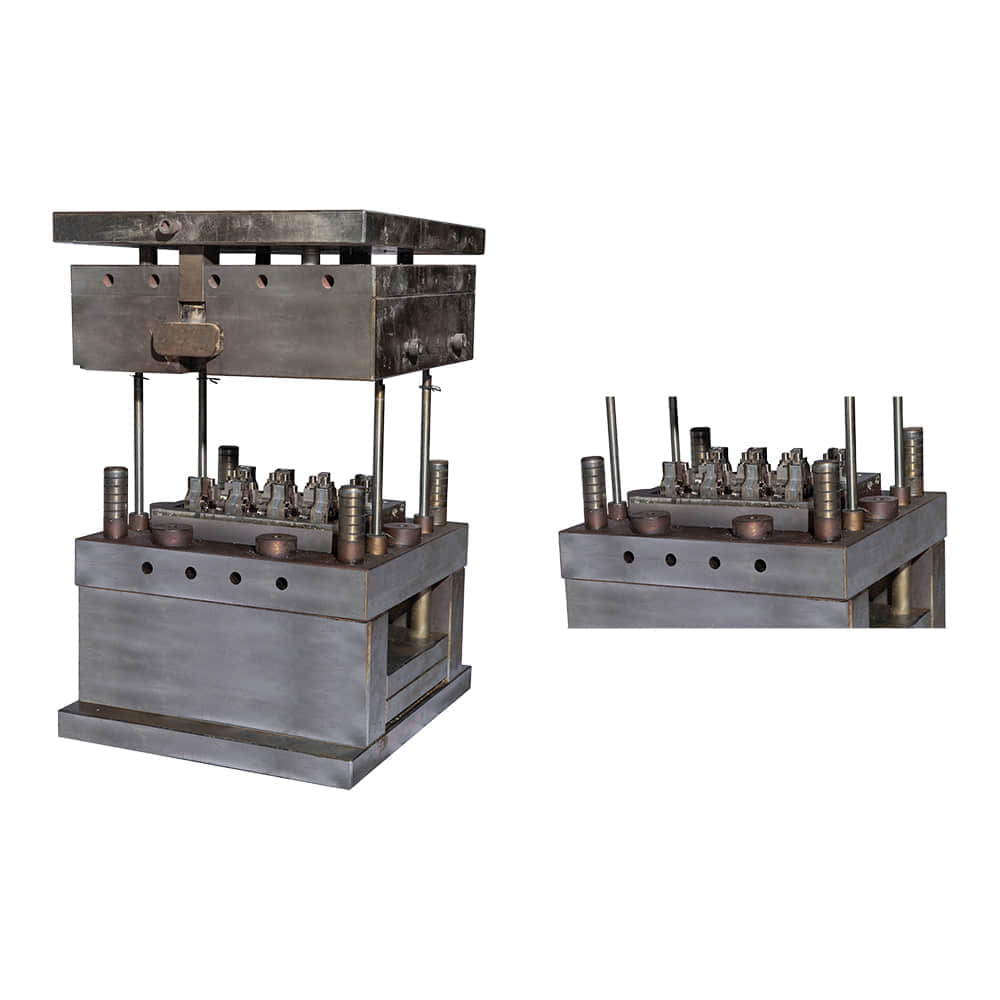
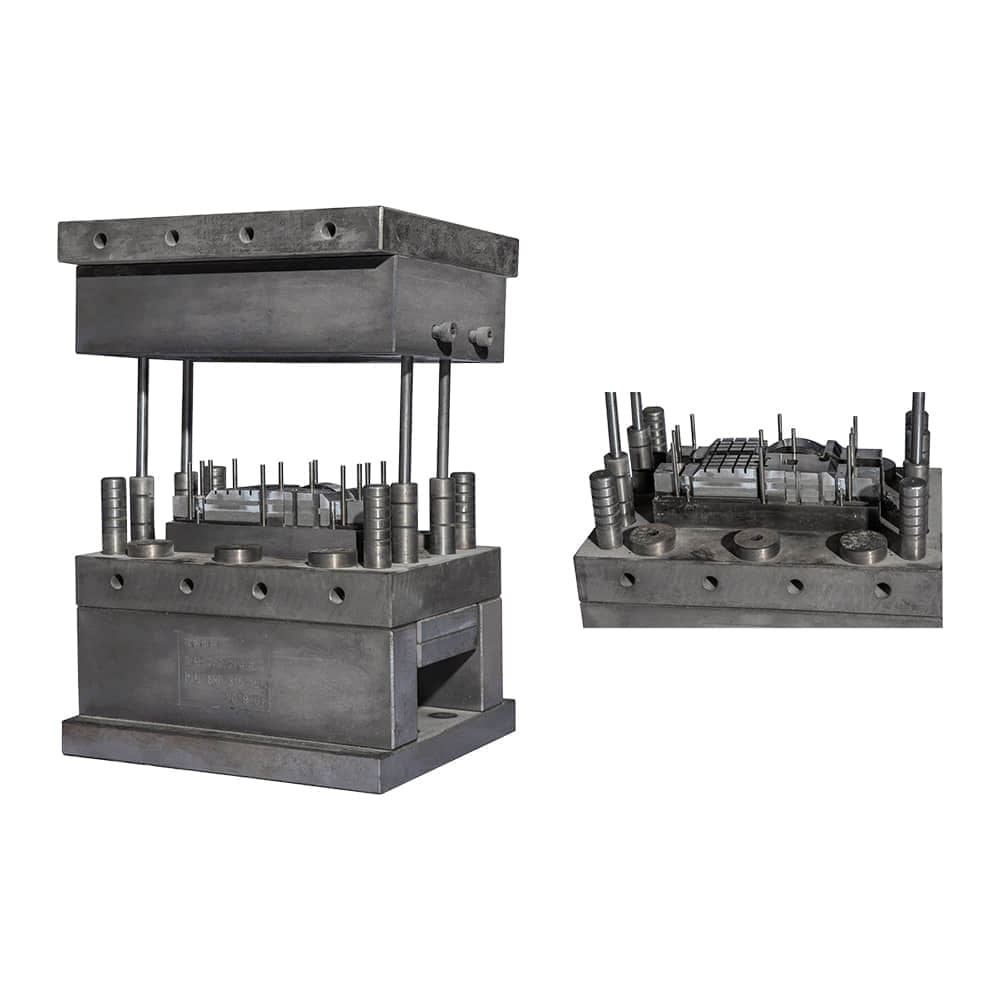
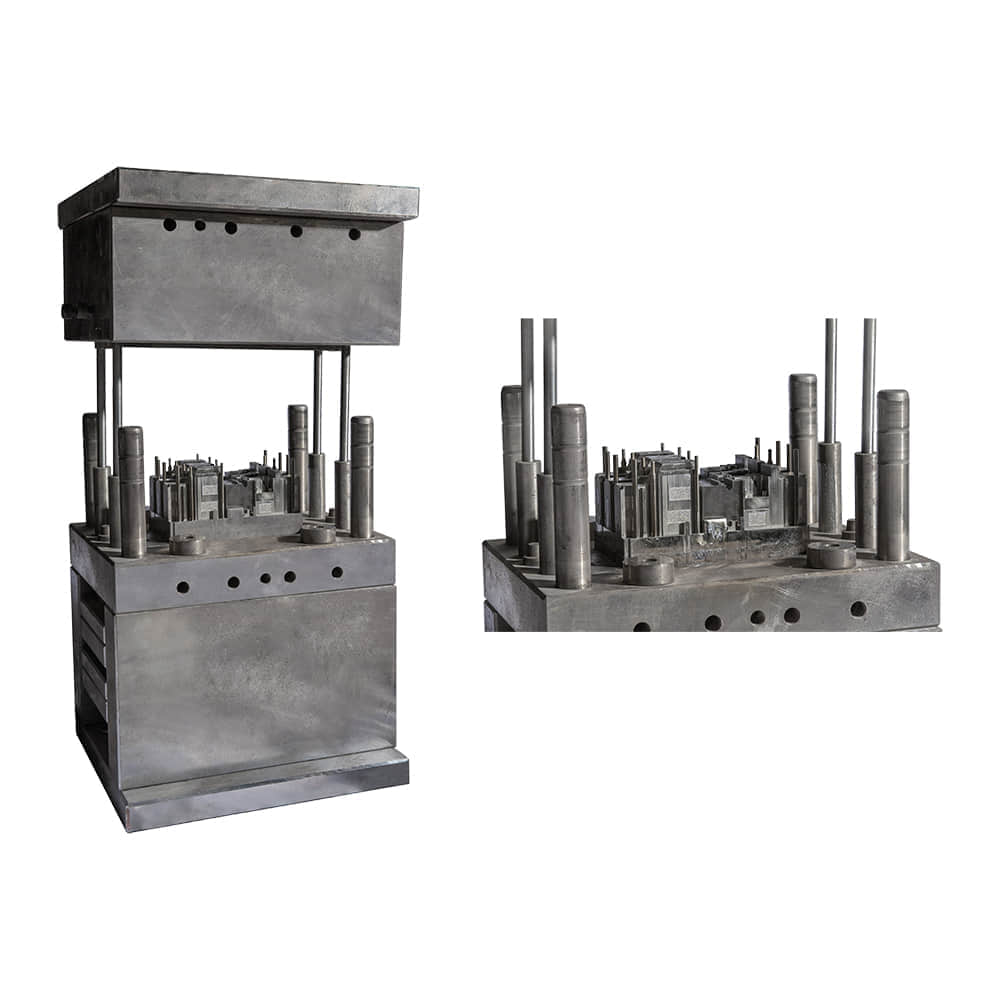
The Basics of Thermosetting Compression Moulding Thermosetting compression moulding is a manufacturing process that involves transforming raw materials into complex shapes through heat and pressure. It primarily employs thermosetting polymers—materials that undergo a chemical change when exposed to heat, rendering them infusible and insoluble after the initial curing. The process starts with carefully weighing and mixing the raw materials, usually in the form of powders, granules, or preforms. The moulding process takes place within a moulding press, which comprises two halves: the upper and lower moulds. The preheated raw material is placed into the lower mould cavity, followed by the application of heat and pressure. The polymer undergoes curing, resulting in the formation of the desired product. After curing, the mould opens, and the newly formed product is ejected. Advancements in Thermosetting Compression Moulding Material Innovations: Recent years have witnessed the development of novel thermosetting polymer formulations. These formulations offer enhanced mechanical properties, increased heat resistance, and improved flame-retardant characteristics. This has widened the scope of applications for thermosetting compression moulding in industries such as automotive, aerospace, and electronics. Automated Production: Automation has significantly streamlined the thermosetting compression moulding process. Advanced machinery and robotics are integrated into the manufacturing process, enabling precise material placement, consistent application of heat and pressure, and reduced cycle times. This advancement has not only improved efficiency but also minimized the likelihood of human errors. Customization and Complexity: Modern thermosetting compression moulding allows for the creation of intricate and customized designs. With computer-aided design (CAD) software and 3D printing technologies, manufacturers can produce moulds with intricate geometries, leading to the production of complex products that were previously unattainable through traditional methods. Sustainability: The materials used in thermosetting compression moulding are evolving to align with sustainability goals. Bio-based thermosetting polymers derived from renewable sources are being explored, reducing the reliance on fossil fuels and decreasing the environmental impact of the manufacturing process. Applications of Thermosetting Compression Moulding Automotive Industry: From interior components like dashboard panels and steering wheel covers to exterior parts like bumpers, thermosetting compression moulding plays a pivotal role in manufacturing lightweight, durable, and aesthetically appealing automotive parts. Electronics Sector: The electronics industry benefits from this technique by producing insulating components, encapsulation for electronic circuits, and even smartphone casings. The excellent electrical insulation properties of thermosetting materials make them indispensable in this sector. Aerospace and Aviation: With its ability to produce high-strength and heat-resistant components, thermosetting compression moulding contributes to the production of aircraft interior parts, structural components, and other critical elements that require exceptional performance under demanding conditions. Conclusion Thermosetting compression moulding has come a long way from its inception, becoming a cornerstone of modern manufacturing across various sectors. With ongoing material innovations, process automation, increased design complexity, and a focus on sustainability, this technique is poised to continue driving innovation and enabling the creation of products that meet the demands of our ever-evolving world.