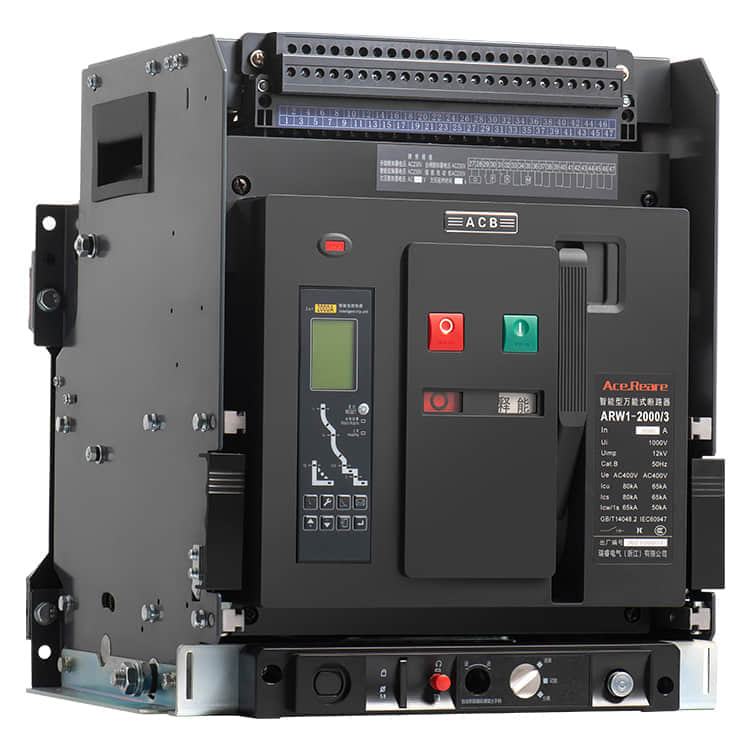
In today’s ever-evolving world of electrical engineering and power distribution, the role of Air Circuit Breakers (ACBs) has become increasingly significant. These remarkable devices have seen substantial advancements over the years, transforming the way we manage electrical circuits and ensuring the safety of both people and equipment. In this article, we will delve into the world of ACB breakers, exploring their functions, benefits, and the latest innovations that are powering the future of electrical systems.
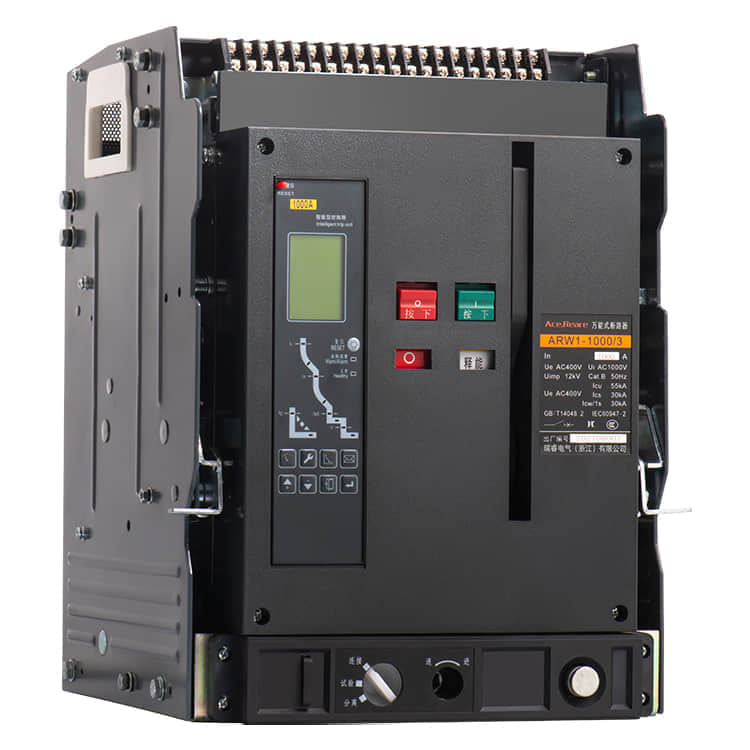
The Basics of ACB Breakers:
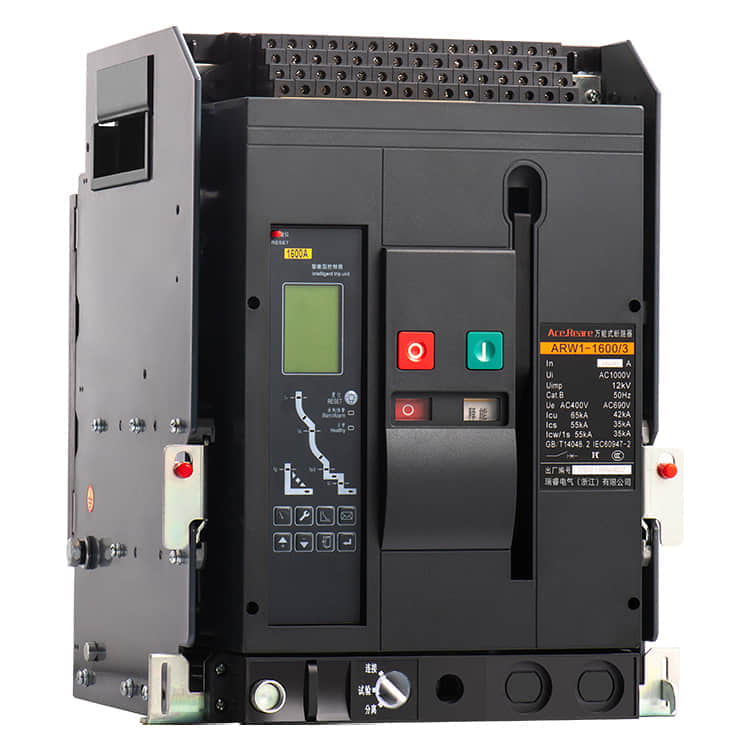
To understand the evolution of ACB breakers, it’s crucial to comprehend their fundamental purpose. ACB breakers are electrical devices designed to protect electrical circuits from damage caused by overcurrents, including short circuits and overload currents. Unlike traditional fuses, ACB breakers can be reset after tripping, making them an essential component in modern power distribution systems. The Evolution of ACB Breakers: ACB breakers have come a long way since their inception. Earlier versions were manual, requiring human intervention to open and close the circuit. However, with technological advancements, these breakers have become highly automated, enhancing safety and efficiency. Today’s ACB breakers can be categorized based on their trip units, which are responsible for detecting overcurrents and initiating the tripping mechanism. 1. Thermal-Magnetic Trip Units:These trip units use a combination of thermal and magnetic mechanisms to respond to overcurrents. They are reliable and cost-effective, making them suitable for a wide range of applications. 2. Microprocessor-Based Trip Units:The introduction of microprocessors revolutionized ACB breakers. These trip units offer advanced protection features, precise current monitoring, and communication capabilities. They can provide real-time data and analysis, enabling predictive maintenance and remote operation. Benefits of ACB Breakers: The advancements in ACB breakers have brought several benefits to the electrical industry: 1. Enhanced Safety:ACB breakers are designed to respond quickly to overcurrents, minimizing the risk of electrical fires and equipment damage. Microprocessor-based trip units offer precise current protection, reducing the chances of nuisance tripping. 2. Remote Monitoring and Control:With the integration of IoT and communication technologies, ACB breakers can now be monitored and controlled remotely. This capability is invaluable for industries with distributed electrical systems, as it allows for immediate responses to faults and better management of power distribution. 3. Energy Efficiency:Modern ACB breakers contribute to energy efficiency by providing real-time data on power consumption. This information helps businesses identify areas where energy can be conserved, leading to cost savings and a reduced carbon footprint. 4. Maintenance Predictability:The diagnostic capabilities of microprocessor-based trip units enable predictive maintenance. By analyzing historical data and performance trends, maintenance can be scheduled before a breaker reaches a critical state, reducing downtime and maintenance costs. Innovations Shaping the Future: As technology continues to advance, ACB breakers are poised to play an even more significant role in electrical systems. Some of the innovations on the horizon include: 1. Smart Grid Integration:ACB breakers will be an integral part of the smart grid, allowing for real-time control and optimization of power distribution. This will enhance grid reliability and facilitate the integration of renewable energy sources. 2. Cybersecurity Measures:With increased connectivity, cybersecurity is a growing concern. Future ACB breakers will incorporate robust security features to protect against cyber threats and ensure the integrity of electrical systems. 3. Energy Storage Integration:ACB breakers will be key components in energy storage systems, helping manage the flow of electricity between storage units and the grid. This will support the widespread adoption of renewable energy sources and reduce reliance on fossil fuels. In conclusion, ACB breakers have evolved from simple manual devices to sophisticated, automated systems that are at the forefront of modern electrical engineering. Their ability to enhance safety, efficiency, and reliability in power distribution makes them indispensable in a rapidly changing world. As technology continues to advance, ACB breakers will continue to evolve, shaping the future of electrical systems and paving the way for a more sustainable and interconnected world.