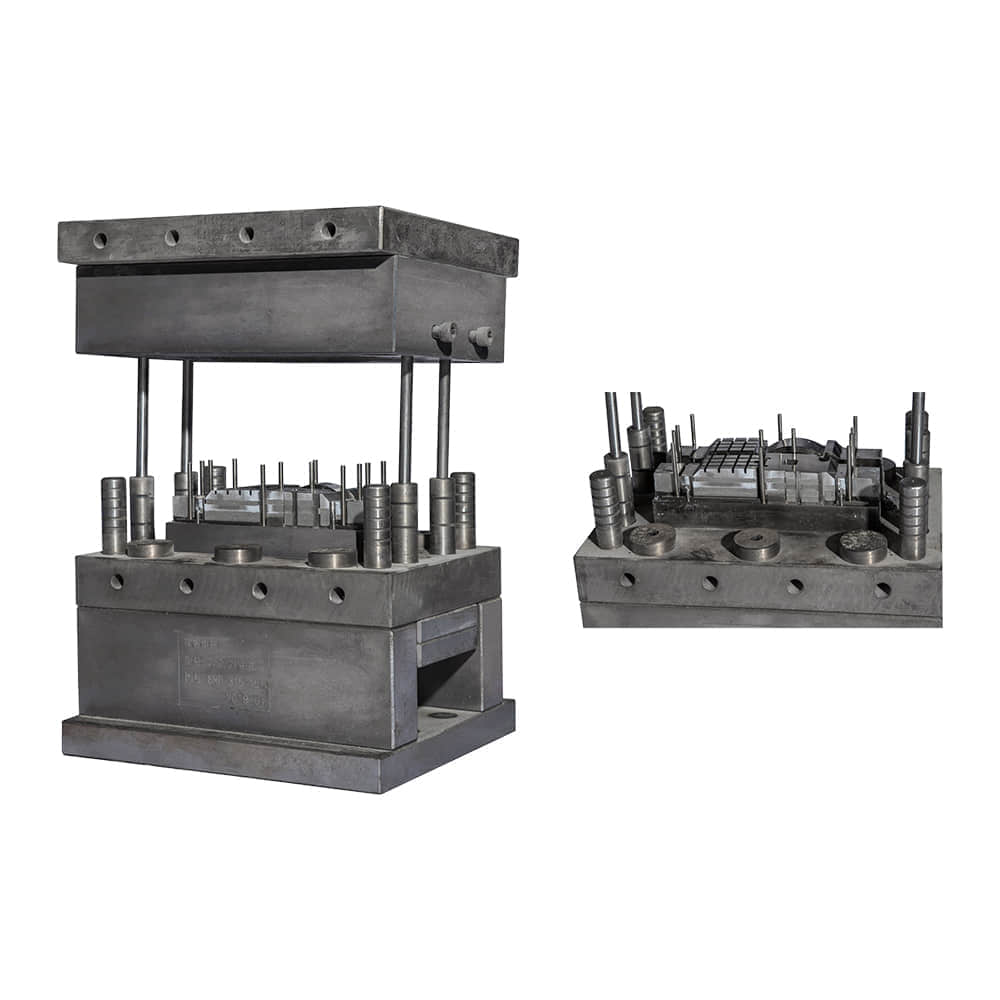
In the realm of advanced manufacturing processes, Sheet Molding Compound (SMC) molding stands as a revolutionary technique that has transformed the production landscape. SMC molding is a composite manufacturing method that combines resins, fibers, and various additives to create high-performance, lightweight, and durable components. This article delves into the key features, benefits, and applications of SMC molding, highlighting its significance in modern industries.
Key Features of SMC Molding:
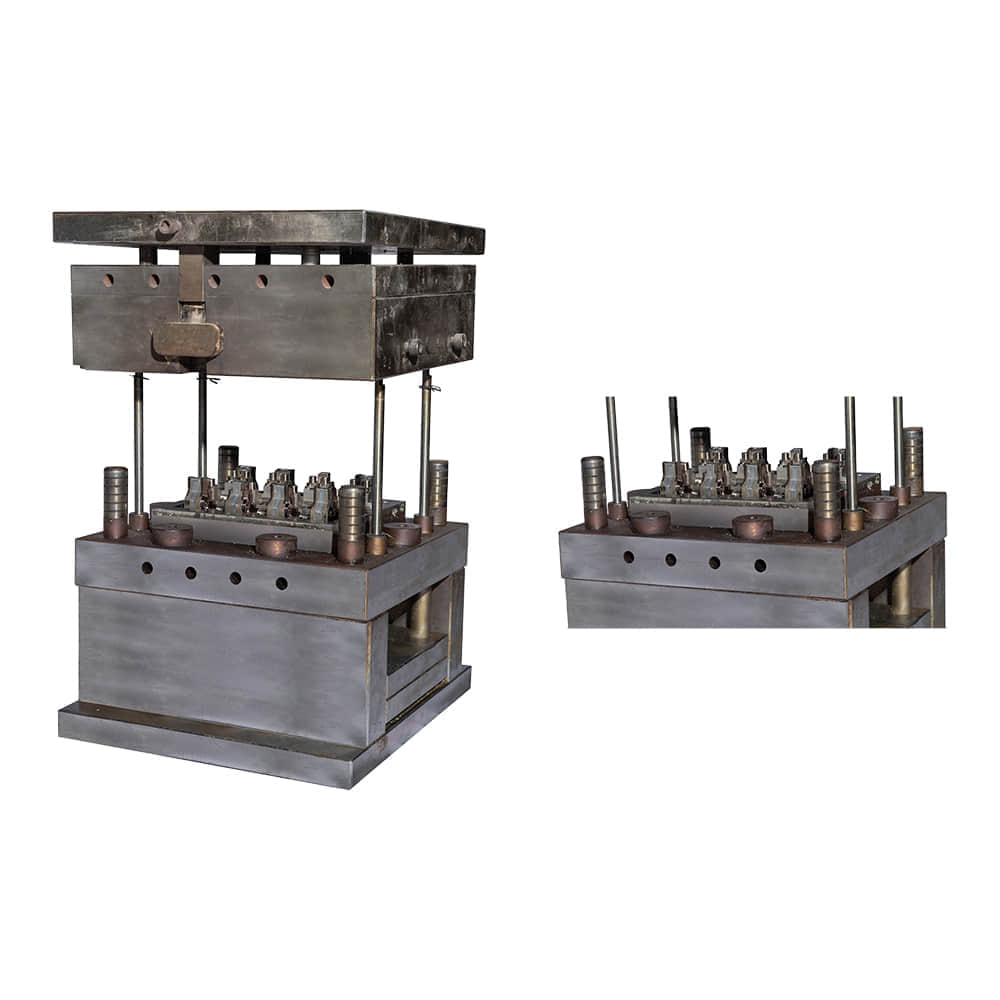
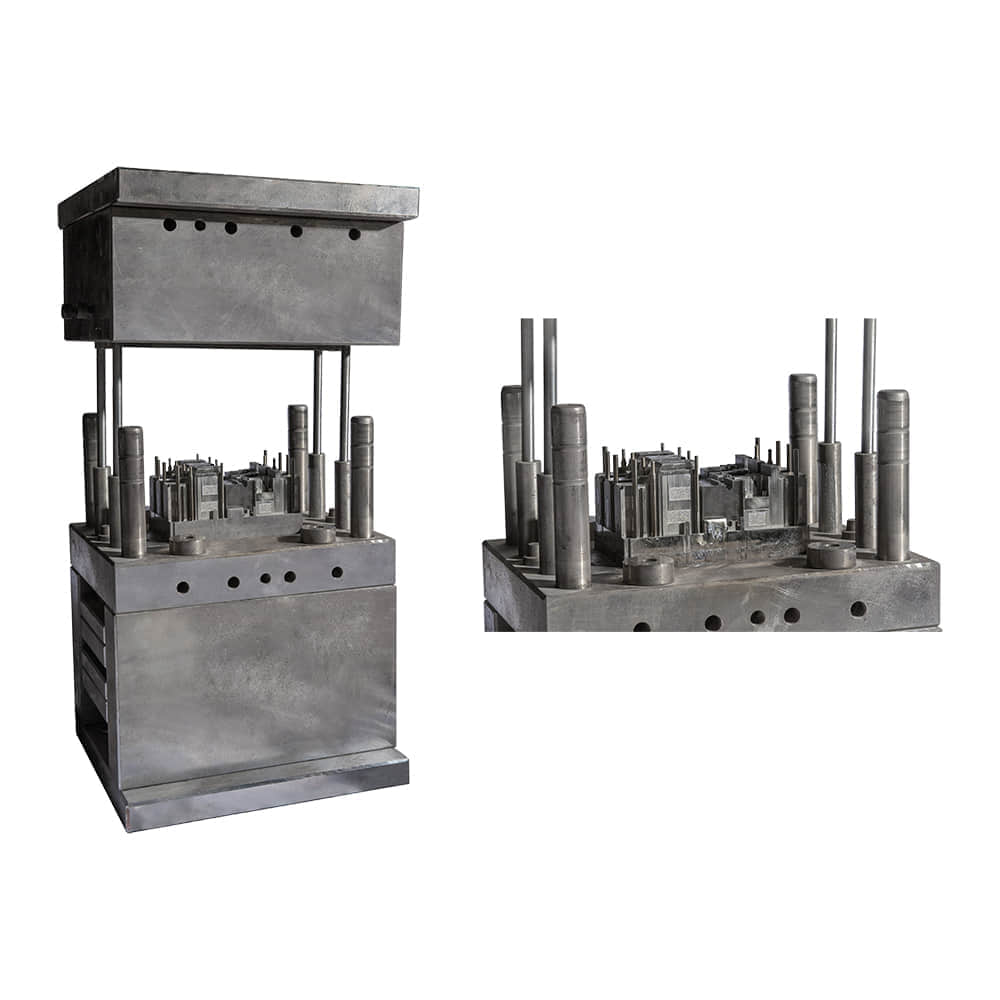
SMC molding involves the compression molding of a pre-prepared sheet of composite material. This sheet comprises chopped glass fibers, thermosetting resin, and additives, which are uniformly distributed. The mixture is then heated and compressed within a mold to create the desired shape. The process occurs in a closed mold, allowing for complex designs and intricate details to be reproduced with precision. Benefits of SMC Molding: High Strength and Lightweight:SMC products boast impressive strength-to-weight ratios, making them suitable for applications requiring both structural integrity and reduced weight. Design Flexibility:The closed mold process of SMC molding enables the production of intricate shapes, textures, and details that might be challenging or costly with other manufacturing methods. Corrosion Resistance:SMC components exhibit exceptional resistance to corrosion, making them ideal for outdoor and harsh environments. Reduced Cycle Times:SMC molding’s relatively short cure times and quick demolding processes contribute to efficient production cycles. Dimensional Stability:SMC products demonstrate minimal expansion or contraction under varying temperatures, ensuring consistent performance in diverse conditions. Cost-Efficiency:The combination of material efficiency, reduced labor costs, and shorter production times positions SMC molding as a cost-effective choice for many applications. Applications of SMC Molding: Automotive Industry:SMC molding finds application in manufacturing various automotive components, including exterior panels, bumpers, and interior parts. The lightweight yet robust nature of SMC makes vehicles more fuel-efficient while maintaining safety standards. Construction Sector:SMC components are used in architectural elements such as cladding panels, roofing, and utility enclosures. The materials’ durability and resistance to environmental factors contribute to their longevity in construction projects. Electrical Infrastructure:SMC molding produces electrical enclosures, cable trays, and utility boxes, benefiting from the material’s excellent electrical insulation properties and corrosion resistance. Transportation:In the transportation industry, SMC molded parts are applied in the manufacturing of boats, trains, and buses due to their resistance to moisture and harsh weather conditions. Renewable Energy:SMC components are employed in wind turbine blades and solar panel structures due to their capacity to withstand dynamic loads and exposure to outdoor environments. Consumer Goods:SMC molding contributes to the creation of durable, lightweight consumer goods such as furniture, sporting equipment, and appliances. In conclusion, Sheet Molding Compound (SMC) molding has emerged as a transformative manufacturing technique with a wide range of applications across industries. Its exceptional strength-to-weight ratio, design flexibility, and resistance to various environmental factors make it a preferred choice for producing high-performance components. As technology continues to advance, SMC molding is likely to evolve further, enabling even more innovative solutions for the challenges of modern manufacturing.