Relays are indispensable components in electrical circuits, playing a crucial role in controlling the flow of electricity. Used in industrial automation, power systems, and control circuits, they help manage complex electrical operations safely and efficiently. However, their function extends beyond simple switching; relays are equipped with various safety features that prevent system failures, protect equipment, and ensure human safety. This article explores the essential safety features of relays and their significance in modern electrical systems.
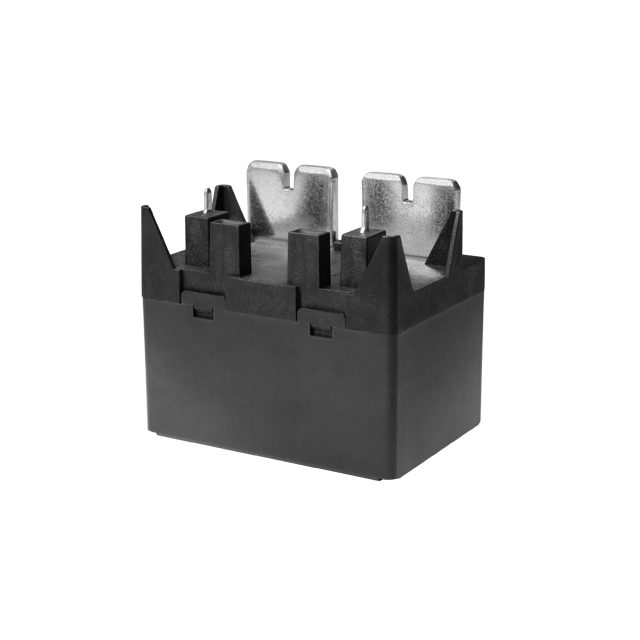
1. Overload Protection: A Fundamental Safety Mechanism One of the primary safety features of relays is overload protection. In the event of excessive current, relays are designed to break the circuit automatically, preventing the system from being damaged. Overload protection is vital to safeguarding sensitive equipment from overheating or permanent damage. In many cases, overload protection is triggered by the thermal or magnetic sensing mechanisms embedded in the relay, which detect when the current exceeds the pre-set limit. For example, in motors or transformers, excess current can result from a mechanical failure, causing the equipment to overheat. By detecting this overload, relays disconnect the circuit, preventing the potential for fire or catastrophic damage.