In today’s rapidly evolving technological landscape, connectivity has become a cornerstone of innovation and efficiency. One of the critical technologies driving this connectivity is the concept of relay demonstrations. Relay demonstrations serve as a bridge between theory and practical application, showcasing how relay systems can enhance communication, data transmission, and overall network performance. This article delves into the significance of relay demonstrations, their applications in various fields, and their transformative potential for the future.
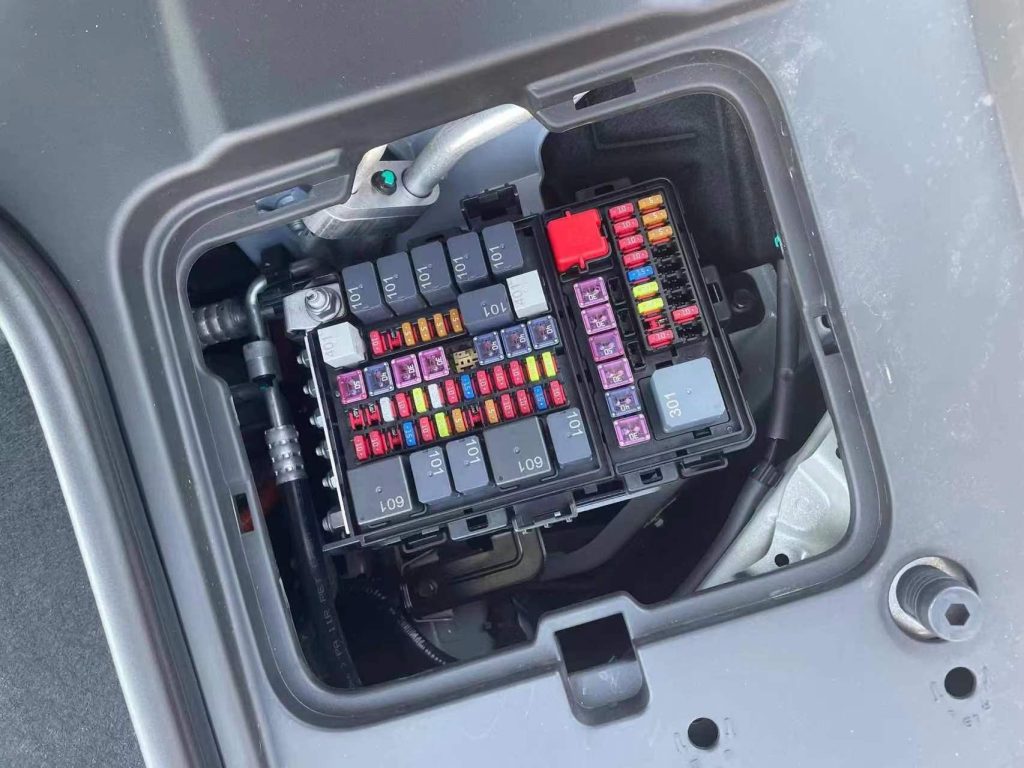
Relay demonstrations typically involve the use of relay nodes or devices that facilitate the transmission of data from one point to another. In many cases, these relay nodes are essential in environments where direct communication between two endpoints is hindered due to distance, obstacles, or interference. By strategically placing relay nodes throughout a network, it is possible to create a robust communication link that improves the reliability and reach of the system. One of the most prominent applications of relay demonstrations is found in wireless communication networks. In areas with low signal strength or significant physical obstructions, relay nodes can be deployed to receive and retransmit signals, effectively extending the communication range. For instance, in rural communities where direct access to cellular towers may be limited, the implementation of relay nodes can enable mobile phone users to maintain connectivity without frequent drop-outs. Relay demonstrations not only highlight the feasibility of such solutions but also provide invaluable data on performance metrics like latency, throughput, and error rates.