Relay assembly techniques are crucial in the design and manufacturing of electromechanical devices that control circuits. As relays play a vital role in various applications, including industrial automation, automotive systems, and consumer electronics, understanding effective assembly techniques can greatly influence the overall performance, reliability, and longevity of these components. This article discusses the essential aspects of relay assembly techniques, focusing on their components, assembly processes, testing protocols, and industry standards.
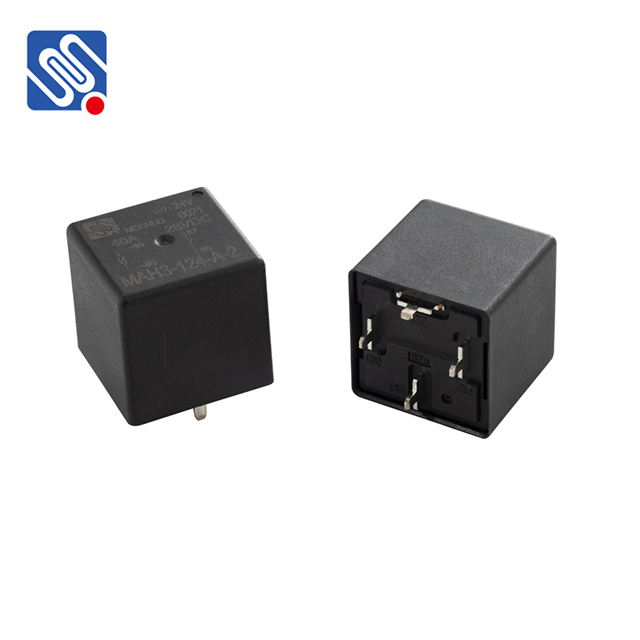
Components of Relays Before delving into assembly techniques, it is important to understand the basic components of a relay. A typical relay consists of several key parts: Coil: When an electric current flows through the coil, it generates a magnetic field that activates the relay. Armature: This movable component is influenced by the magnetic field created by the coil. It acts as the switch that opens or closes the circuit. Contacts: Relays usually contain two types of contacts: Normally Open (NO) and Normally Closed (NC). NO contacts allow current to flow when the relay is activated, while NC contacts stop the current flow in this state.