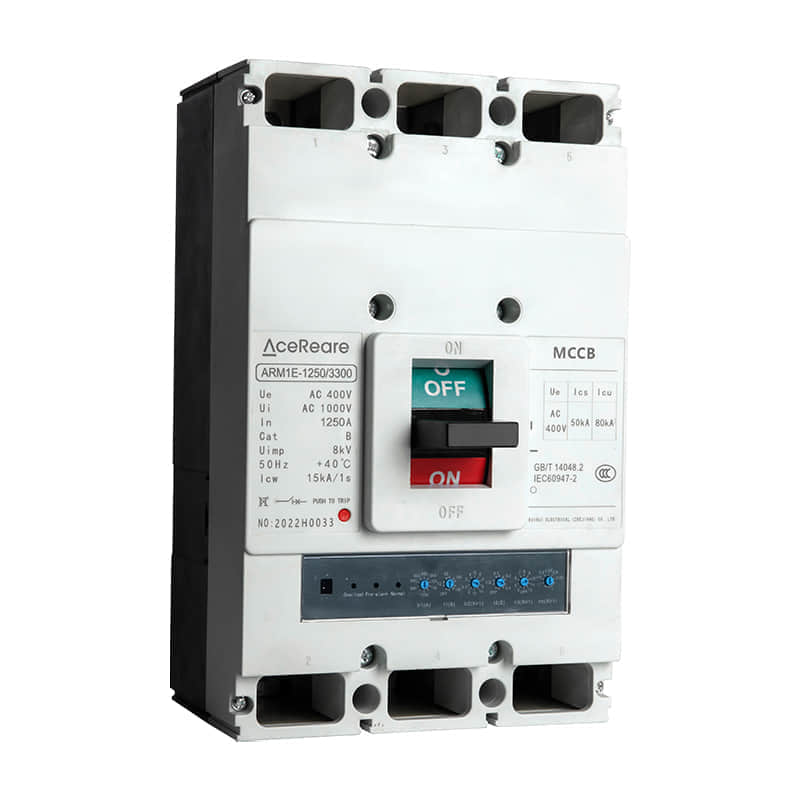
Molded Case Parts: Functionality and Applications
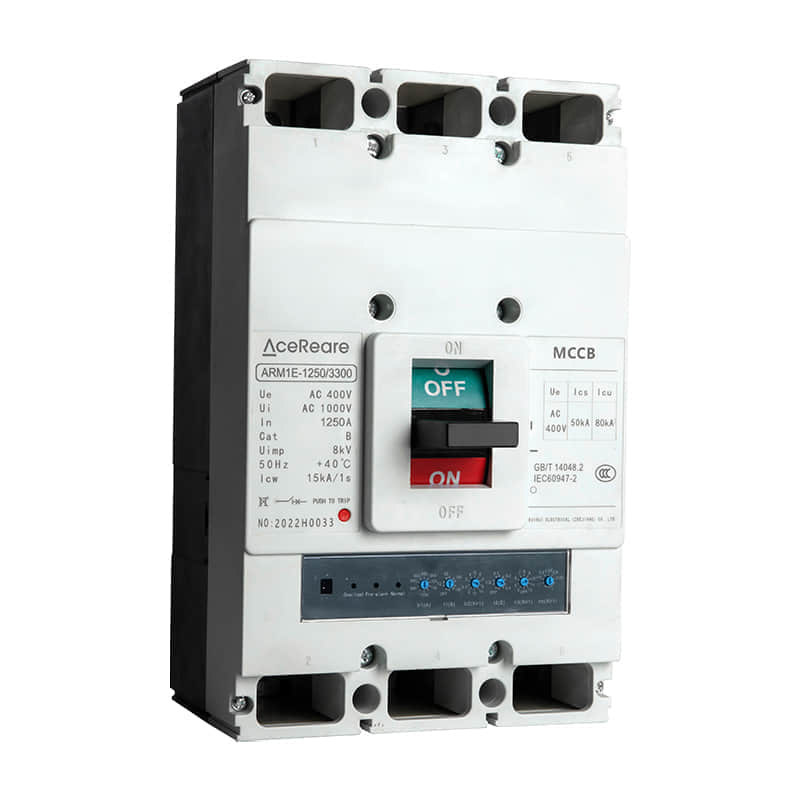
In the realm of engineering and manufacturing, precision and reliability are paramount. One integral aspect of this domain is molded case parts, which play a crucial role in various industries and applications. From circuit breakers to electrical enclosures, molded case parts offer a combination of durability, customization, and efficiency that make them indispensable in modern technology. This article delves into the functionality and diverse applications of molded case parts.
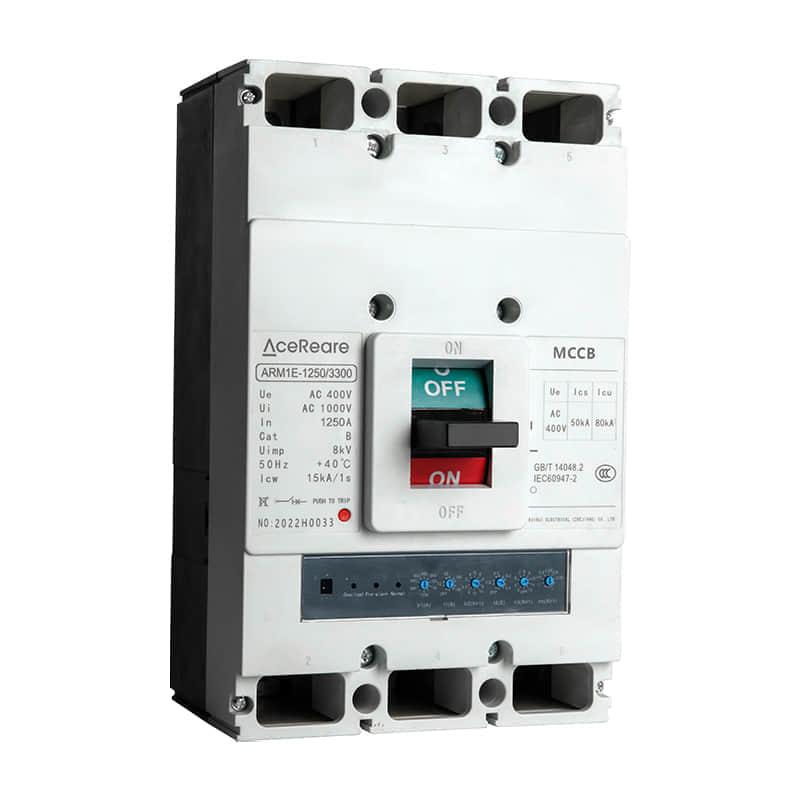
Functionality of Molded Case Parts Molded case parts are components created through a molding process, where materials like plastic or metal are melted, poured into molds, and cooled to solidify into the desired shape. This process yields parts with high precision and consistency, ensuring that each piece adheres to exact specifications. The resulting components are known for their durability, as the molding process eliminates weaknesses often found in parts fabricated through traditional methods. These parts possess inherent thermal and electrical insulation properties, which make them invaluable in electrical applications. Molded case circuit breakers, for instance, are designed to interrupt electrical currents in the event of an overload or short circuit. The insulation properties of molded case parts not only enhance their safety but also minimize the risk of electrical malfunctions. Applications of Molded Case Parts Electrical Industry:One of the most prominent applications of molded case parts is in the electrical industry. Molded case circuit breakers, a staple in electrical distribution systems, protect circuits and equipment from damage caused by excess current. These circuit breakers consist of various molded components that ensure their efficient operation and the safety of electrical systems. Automotive Sector:The automotive industry benefits from molded case parts as well. Components such as sensors, connectors, and housing for various electronic systems within vehicles are often manufactured using molding techniques. These parts are chosen for their reliability and resistance to vibrations, temperature fluctuations, and exposure to various environmental factors. Consumer Electronics:Molded case parts find their way into a plethora of consumer electronics. From the sleek casing of a smartphone to the ergonomic design of a gaming controller, these parts contribute to the visual appeal and functionality of modern gadgets. Medical Devices:In the medical field, precision and hygiene are non-negotiable. Molded case parts are used in the production of medical devices, equipment housings, and connectors. The biocompatibility of certain molded materials makes them suitable for applications where contact with the human body is inevitable. Industrial Machinery:Industrial equipment requires components that can withstand heavy usage and harsh environments. Molded case parts offer the necessary sturdiness, electrical insulation, and resistance to chemicals, making them ideal for use in industrial machinery. Renewable Energy:Molded case parts play a role in the renewable energy sector, specifically in solar power systems. These parts contribute to the manufacturing of solar inverters, which convert the direct current (DC) generated by solar panels into usable alternating current (AC) electricity. Advantages of Molded Case Parts The advantages of using molded case parts are clear. They offer enhanced precision, consistency, and durability compared to components produced through traditional methods. The ability to customize these parts according to specific requirements allows for flexibility in design and function. Additionally, the electrical insulation properties inherent in molded case materials make them particularly valuable in applications where safety is paramount. Conclusion Molded case parts represent a remarkable intersection of precision engineering and material science. Their widespread use in industries such as electrical, automotive, consumer electronics, medical devices, industrial machinery, and renewable energy showcases their adaptability and reliability. As technology continues to advance, molded case parts are poised to remain a foundational element in shaping a diverse range of modern innovations.