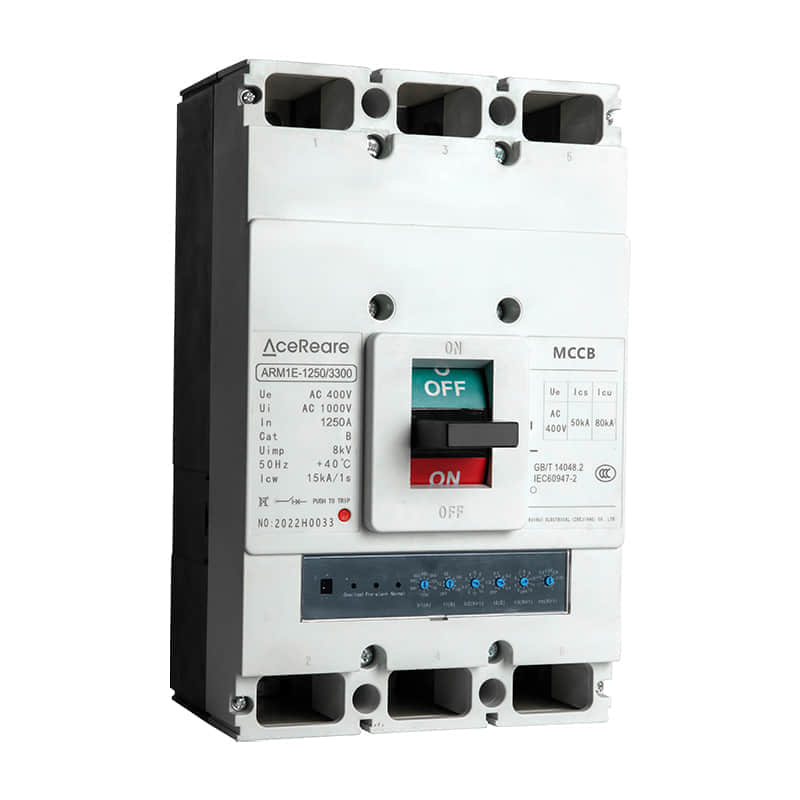
Molded Case Parts: A Comprehensive Overview
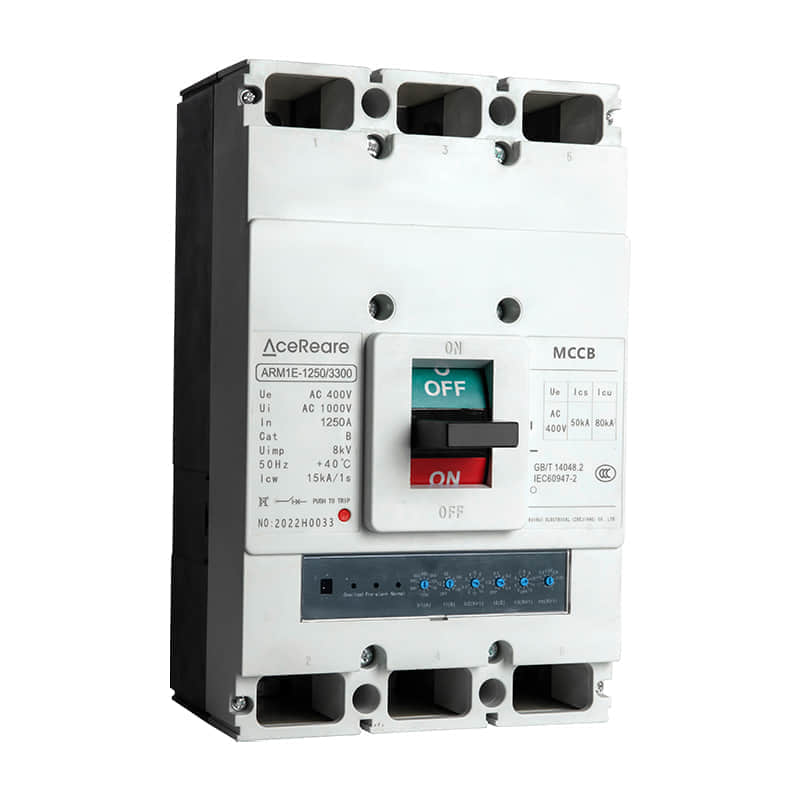
Molded case parts play a pivotal role in various industries, ranging from automotive to electronics. These intricately designed components are essential for protecting vital equipment and ensuring the efficient operation of machinery. In this article, we will delve into the world of molded case parts, exploring their significance, manufacturing processes, and diverse applications.
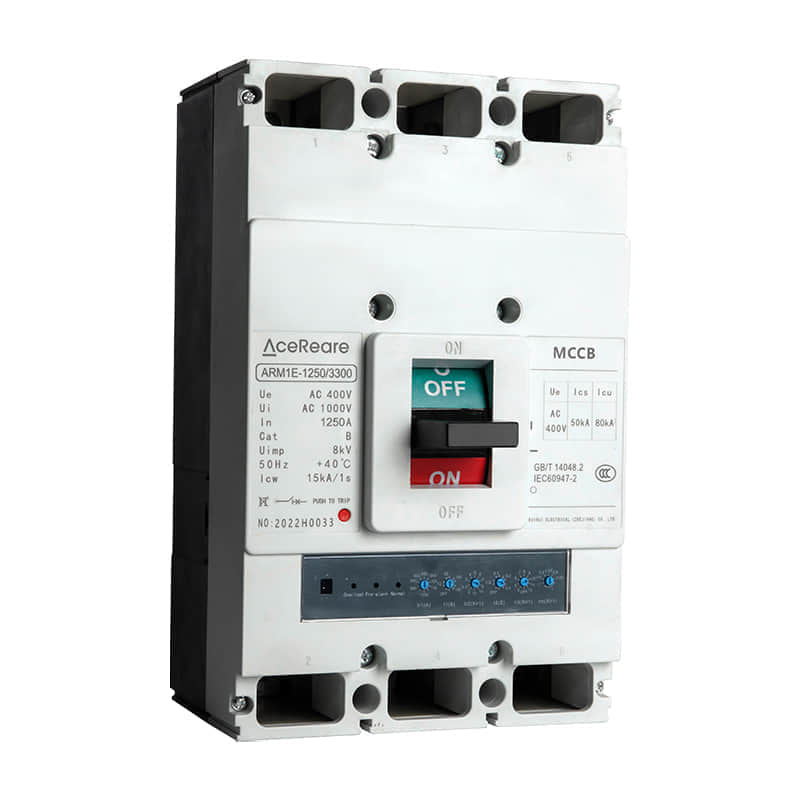
The Significance of Molded Case Parts Molded case parts, often made of high-strength materials such as thermoplastics or thermosetting resins, serve as protective enclosures for critical components and equipment. They shield these components from environmental factors, mechanical damage, and electrical hazards, thereby extending their lifespan and ensuring their reliable performance. These parts are particularly crucial in the electrical industry, where molded case circuit breakers are commonly used. These circuit breakers protect electrical systems from overcurrents and short circuits, preventing damage to the system and potential fire hazards. The robust construction of molded case circuit breakers makes them ideal for various applications, from residential installations to industrial settings. Manufacturing Processes The manufacturing of molded case parts involves several intricate processes to ensure the final product’s quality and durability. Below are the primary steps in the manufacturing of molded case parts: Material Selection: The choice of material is crucial, as it determines the part’s electrical, thermal, and mechanical properties. Common materials include glass-reinforced polyester, polycarbonate, and thermosetting plastics. Injection Molding: Injection molding is the most common method for producing molded case parts. It involves melting the chosen material and injecting it into a mold cavity under high pressure. This process allows for precise shaping and the incorporation of complex features. Mold Design: The mold’s design is critical to achieving the desired part geometry and functionality. Molded case parts may have features such as screw bosses, inserts, and intricate surface textures to enhance their performance. Cooling and Solidification: Once injected, the molten material cools and solidifies within the mold. Proper cooling ensures uniform material properties and minimizes defects. Ejection: After solidification, the molded part is ejected from the mold cavity using ejector pins or other mechanisms. Quality Control: Rigorous quality control measures are implemented to inspect the molded case parts for defects, dimensional accuracy, and material integrity. Any imperfections are addressed before the parts are ready for use. Assembly: In many cases, molded case parts are assembled with other components to create complete systems or products. This may involve the integration of electrical contacts, connectors, and additional hardware. Diverse Applications Molded case parts find application in a wide range of industries due to their durability, versatility, and ability to meet stringent safety standards. Some key applications include: Electrical Systems: Molded case circuit breakers are essential for protecting electrical systems in residential, commercial, and industrial settings. They are designed to trip and disconnect power when excessive current flows through them, preventing electrical fires and equipment damage. Automotive: Molded case parts are used in automotive components like relay housings, fuse boxes, and sensor enclosures. They protect sensitive electronics from harsh environmental conditions and mechanical stress. Consumer Electronics: Many consumer electronic devices, such as smartphones and laptops, feature molded case parts to protect internal components and provide a sleek, aesthetically pleasing exterior. Medical Equipment: Molded case parts are used in medical devices to ensure the integrity of sensitive instruments and electronics, allowing for safe and reliable patient care. Aerospace: In the aerospace industry, molded case parts are used in components like cockpit instruments, avionics systems, and flight control systems to withstand the demanding conditions of flight. In conclusion, molded case parts are integral components in various industries, ensuring the protection and functionality of critical equipment and systems. The meticulous manufacturing processes and diverse applications of these parts underscore their significance in today’s technological landscape. As technology continues to advance, the demand for innovative molded case parts will undoubtedly grow, driving further development in materials and manufacturing techniques.