In today’s rapidly advancing industrial landscape, precise temperature control is of paramount importance across various sectors. The utilization of cutting-edge technologies to maintain optimal temperatures ensures product quality, process efficiency, and overall safety. Among these technologies, DIN rail temperature controllers have emerged as essential tools for achieving accurate and reliable temperature management.
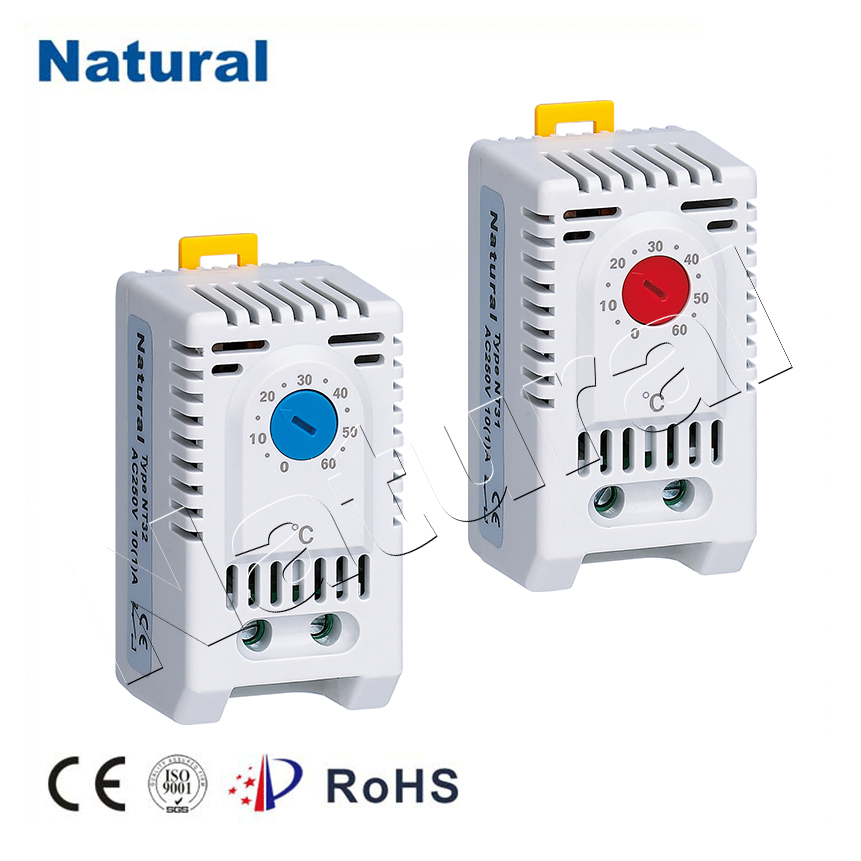
Introduction to DIN Rail Temperature Controllers DIN rail temperature controllers are compact and versatile devices designed to regulate temperatures in industrial settings. Mounted on standard DIN rails, these controllers provide seamless integration into control panels, making them an integral part of various automation systems. Their applications span across industries such as manufacturing, food processing, HVAC (Heating, Ventilation, and Air Conditioning), and more. Features and Functionality One of the standout features of DIN rail temperature controllers is their precision. These controllers utilize advanced algorithms and sensors to ensure that the temperature is maintained within narrow tolerances. This precision is crucial for industries that demand consistency and reliability in their processes. Additionally, DIN rail temperature controllers often offer a range of control modes, including on/off control, proportional control, integral control, and derivative control (PID). This versatility allows users to select the appropriate control strategy based on their specific requirements. The PID control mode, in particular, is widely favored for its ability to adapt to dynamic changes in temperature conditions, resulting in minimal temperature fluctuations. Benefits in Industrial Applications The applications of DIN rail temperature controllers are diverse and far-reaching. In the manufacturing sector, these controllers play a vital role in ensuring the quality of products by maintaining consistent temperatures during various production stages. In the food industry, precise temperature control is crucial for food safety and compliance with regulations. Moreover, in HVAC systems, DIN rail temperature controllers contribute to energy efficiency by optimizing heating and cooling processes. This not only reduces energy consumption but also enhances the comfort and well-being of occupants in commercial and residential spaces. Integration and Connectivity Modern DIN rail temperature controllers are designed with connectivity in mind. Many models feature communication protocols such as Modbus, Ethernet, and even wireless options like Wi-Fi. This connectivity allows for remote monitoring and control, making it easier for operators to manage temperature settings from a central location. Furthermore, integration with other automation systems enhances overall system efficiency and data analysis. Installation and Maintenance The installation of DIN rail temperature controllers is relatively straightforward due to their standardized form factor. They can be easily mounted on DIN rails within control cabinets. Routine maintenance typically involves checking sensors, calibrating the controller if necessary, and ensuring the overall functionality of the device. Conclusion DIN rail temperature controllers have revolutionized temperature management in industrial environments. Their precision, versatility, and connectivity options make them indispensable tools for maintaining optimal temperature conditions in a wide range of applications. As industries continue to prioritize quality, efficiency, and safety, the role of DIN rail temperature controllers in shaping modern processes remains pivotal. Whether in manufacturing, food processing, or HVAC systems, these controllers stand as a testament to the power of technology in enhancing our ability to control and optimize temperatures.