Introduction
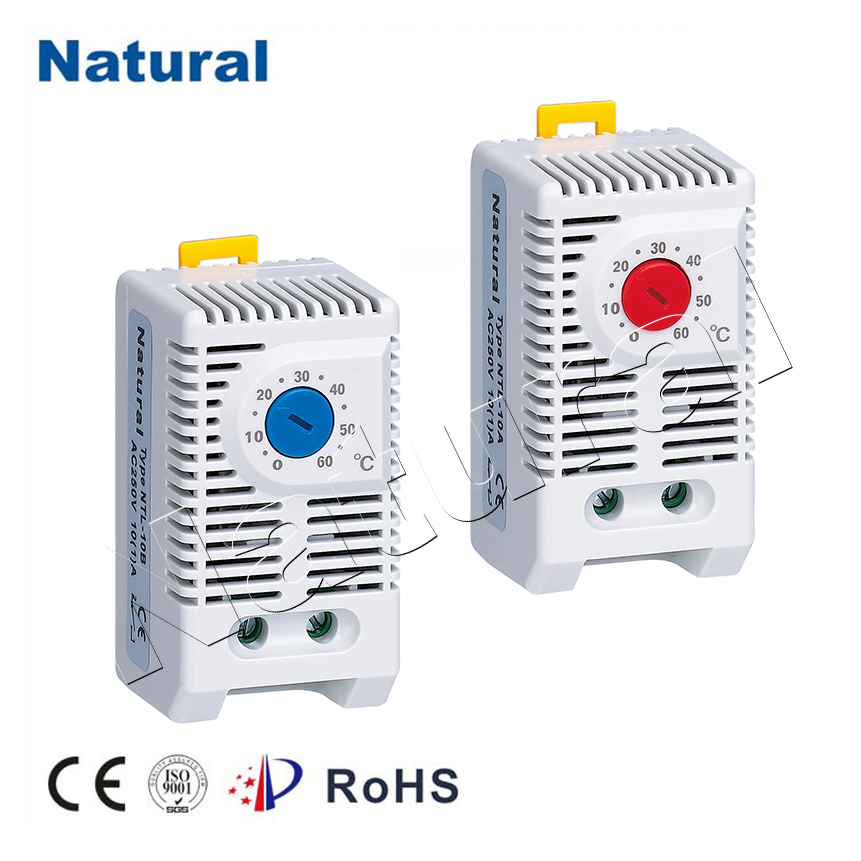
In today’s rapidly advancing industrial landscape, efficient cooling systems are indispensable for maintaining optimal operating conditions and extending the lifespan of machinery and equipment. Among the technologies that play a crucial role in achieving efficient industrial cooling is the thermostat. This article explores the significance of thermostats in industrial cooling systems and how they contribute to overall operational efficiency. The Role of Thermostats in Industrial Cooling Thermostats serve as vital control mechanisms in industrial cooling systems. These devices are designed to regulate temperature by automatically turning cooling equipment on or off as needed. In essence, a thermostat acts as the brain of the cooling system, ensuring that the working environment remains within a specified temperature range. This precision is particularly critical in industries where temperature fluctuations can have severe consequences on production processes, product quality, and even employee safety. Enhancing Energy Efficiency One of the primary advantages of incorporating thermostats into industrial cooling systems is the substantial enhancement of energy efficiency. Traditional cooling systems often run continuously, consuming excessive energy and resulting in unnecessary costs. Thermostats, however, enable the cooling equipment to operate only when required, thereby reducing energy consumption and minimizing utility expenses. This energy-conscious approach aligns with modern sustainability initiatives and reduces the overall carbon footprint of industrial operations. Preserving Equipment Longevity Industrial equipment is often subjected to harsh conditions, including high temperatures, which can lead to accelerated wear and tear. Thermostats play a critical role in preventing such wear by maintaining a consistent and optimal operating temperature. By preventing overheating, thermostats contribute to the longevity of equipment, reducing maintenance and replacement costs. This not only ensures the smooth functioning of machinery but also enhances the return on investment for industrial assets. Precision Control for Diverse Applications Different industrial processes require specific temperature ranges for optimal performance. Thermostats offer precise temperature control, allowing industrial facilities to customize cooling solutions for their unique needs. Whether it’s food processing, electronics manufacturing, or chemical production, thermostats enable industries to maintain the ideal environment for their operations. This adaptability is particularly valuable as it supports diverse industries in achieving their specific production goals. Remote Monitoring and Smart Automation Advancements in technology have led to the development of smart thermostats that offer remote monitoring and control capabilities. This innovation empowers industrial operators to monitor and adjust cooling settings from a distance, enhancing convenience and responsiveness. Additionally, the integration of smart automation allows for data-driven decision-making, as these thermostats can collect and analyze temperature data, offering insights that can further optimize cooling processes. Challenges and Considerations While thermostats offer numerous benefits, their effectiveness can be impacted by various factors. Calibration, location, and maintenance are crucial considerations to ensure accurate temperature regulation. Furthermore, compatibility with existing cooling systems and the potential for electronic malfunctions must also be taken into account when implementing thermostat-based cooling solutions. Conclusion In the dynamic landscape of modern industry, efficient cooling systems are indispensable for maintaining productivity and ensuring the longevity of equipment. Thermostats stand as key components in achieving these objectives by providing precise temperature control, energy efficiency, and adaptability to diverse applications. As technology continues to advance, the integration of smart thermostats further enhances the capabilities of industrial cooling systems, making them more responsive, data-driven, and sustainable. As industrial processes evolve, so too will the role of thermostats, shaping the future of industrial cooling.